• Prescriptions issued by licensed UK Doctors

  • Safe and convenient service

Armodafinil

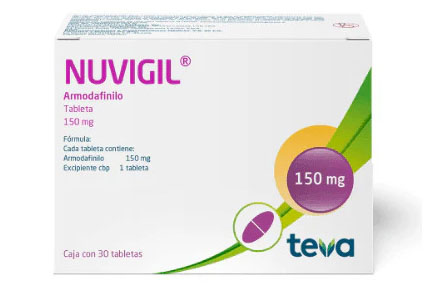
Images for illustrative purposes only

This information is for educational purposes only; please consult a doctor before starting any treatment.

Armodafinil

Armodafinil is a prescription medication used to promote wakefulness in people with sleep-related conditions such as narcolepsy, obstructive sleep apnea, and shift work sleep disorder. Clinical guidance shows it works by influencing brain chemicals involved in alertness and the sleep–wake cycle.

  • Improves wakefulness and mental alertness
  • Used to treat excessive sleepiness and narcolepsy
  • Starts working within 30–60 minutes
  • Quality-tested and approved medication
  • Delivered through certified pharmacies
  • *Brands may vary*
Order within
  • 20h
  • 52m
  • 12s
  • to receive your order Saturday 25th October
    In Stock
    Best Seller
    Medication shipped to your door
    Quick & Easy
    Treatment for
    Nootropics
    Strength:
    Package Size:
    £44.99

    To ensure safe use, you need to answer a few brief health questions before checkout.

    More Information

    Chronic sleep disorders such as narcolepsy, shift-work sleep disorder (SWSD), and obstructive sleep apnoea (OSA) can significantly impair physical health, mental well-being, productivity, and quality of life. In the UK, treatment requires prescription medicines; Armodafinil is one such agent, not available over the counter.

    Armodafinil is a wakefulness-promoting agent, structurally related to Modafinil but composed of the active R-enantiomer. It is marketed under brand names such as Nuvigil and Waklert. Clinicians may prefer Armodafinil for its longer half-life and more consistent pharmacological profile compared with Modafinil.

    Armodafinil is licensed for the treatment of narcolepsy, SWSD, and OSA-related excessive daytime sleepiness. It promotes wakefulness by modulating neurotransmitter systems, thereby reducing untimely sleepiness and improving daytime functioning.

    Common side effects include headache, nausea, dizziness, and insomnia. Rare but serious adverse effects may include psychiatric symptoms (agitation, depression, aggression), cardiovascular complications (arrhythmia, chest pain), and severe allergic reactions.

    Patients should be educated about safe use, potential side effects, and the importance of medical supervision before starting Armodafinil.

    Armodafinil is the R-enantiomer of Modafinil. Its precise mechanism is not fully understood, but evidence suggests:

    • Inhibition of the dopamine transporter increases extracellular dopamine and promotes wakefulness.
    • Modulation of norepinephrine and histamine systems, enhancing alertness.
    • Activation of orexin neurons in the hypothalamus supports vigilance.
    • Effects on glutamatergic and GABAergic pathways, increasing glutamate and reducing GABA activity, thereby enhancing neuronal excitability.

    Armodafinil reaches peak plasma concentration within ~2 hours and has a half-life of 10–15 hours, allowing once-daily dosing.

    Armodafinil is available as an oral tablet in strengths of 50 mg, 150 mg, 200 mg, and 250 mg.

    • Narcolepsy: 150–200 mg once daily in the morning.
    • SWSD: 150 mg taken ~1 hour before the work shift.
    • OSA: 150–250 mg once daily in the morning, as adjunct therapy to address residual sleepiness (not the underlying obstruction).
    • Special populations: Not recommended for children under 18. Use with caution in adults aged 65 or older, with dose adjustment as appropriate.
    • Duration: May be used short-term or long-term under medical supervision.
    • Off-label use: Sometimes explored for cognitive enhancement, though not endorsed by NICE.
    • Controlled status: Armodafinil is a prescription-only controlled drug in the UK. Misuse can lead to dependence and withdrawal.
    • Rapid onset: Peak effect within 2 hours, useful for morning or shift-related dosing.
    • Longer half-life: Provides sustained wakefulness compared with Modafinil.
    • Flexible use: Can be prescribed for short- or long-term use, depending on clinical need.
    • Reduced daytime sleepiness: Effective in narcolepsy, SWSD, and OSA.
    • Improved concentration and alertness: Enhances focus and productivity.
    • Support for shift workers: Helps maintain performance during non-standard hours.

    Common side effects: headache, dizziness, nausea, and insomnia.

    Less common but serious: anxiety, depression, arrhythmia, chest pain, severe allergic reactions, and dependence.

    Precautions:

    • Not suitable for children or most elderly patients without specialist input.
    • Use cautiously in hepatic or renal impairment.
    • Contraindicated in pregnancy and breastfeeding unless benefits outweigh risks.
    • Interactions: reduces the effectiveness of hormonal contraceptives; may interact with opioids, antihistamines, analgesics, alcohol, caffeine, and grapefruit juice.

    Safe use requires morning dosing, avoidance of interacting substances, and adherence to medical advice.

    Drug Interactions

    Armodafinil interacts with a wide range of medicines. Some interactions are clinically significant, while others are less so. Patients should always provide a full list of current medications to their healthcare provider before starting treatment.

    Notable interactions include:

    • Other CNS stimulants: Combining Armodafinil with amphetamines, methylphenidate, or excessive caffeine increases the risk of hypertension, tachycardia, and insomnia.
    • Opioid analgesics: Hydrocodone and tramadol may have altered efficacy when combined with Armodafinil, potentially reducing pain control.
    • Antihypertensives: Armodafinil can raise blood pressure, so caution is required when used with ACE inhibitors, beta-blockers, or diuretics.
    • Decongestants: Agents such as phenylephrine may further elevate blood pressure and heart rate when combined with Armodafinil.
    • Antipsychotics: Quetiapine, risperidone, and olanzapine may be metabolised more rapidly, reducing effectiveness.
    • Proton pump inhibitors: (Correction: PPIs include omeprazole, esomeprazole; enalapril is an ACE inhibitor, not a PPI.) Armodafinil may alter the metabolism of PPIs, affecting efficacy.
    • Antidepressants and anticonvulsants: SSRIs, tricyclics, and antiepileptics such as carbamazepine or phenytoin may interact, leading to reduced control of depression or seizures.
    • Other agents: Escitalopram and aripiprazole may be less effective when combined with Armodafinil.

    Drug–Food Interactions

    • Caffeine: Combined stimulant effect may cause jitteriness, palpitations, and insomnia.
    • Food: A light meal may reduce gastrointestinal upset; heavy meals may delay absorption.
    • Alcohol: Although not a direct pharmacological interaction, alcohol may impair judgment and increase side effects. Avoid during treatment.
    • Grapefruit juice: Inhibits CYP3A4, raising Armodafinil levels and increasing risk of adverse effects.
    • Hormonal contraceptives: Effectiveness is reduced; alternative contraception is required.

    Drug Interaction Checklist

    • CNS stimulants (Modafinil, amphetamines, methylphenidate)
    • Opioid analgesics (hydrocodone, tramadol)
    • Antihypertensives (ACE inhibitors, beta-blockers, diuretics)
    • Decongestants (phenylephrine)
    • Antipsychotics (quetiapine, risperidone, olanzapine)
    • Proton pump inhibitors (omeprazole, esomeprazole)
    • Antidepressants (SSRIs, tricyclics)
    • Anticonvulsants (carbamazepine, phenytoin)
    • Other agents (escitalopram, aripiprazole)

    Armodafinil is a controlled, prescription-only medicine. Patients should never self-prescribe. Safe use requires medical assessment, monitoring, and sourcing from licensed pharmacies.

    Armodafinil (Nuvigil/Waklert) is available only with a prescription. Licensed UK pharmacies provide secure dispensing, medical assessment, and genuine products. Unregulated online sources pose risks of counterfeit or adulterated medicines.

    Factors influencing cost include:

    • Strength: 150 mg is most commonly prescribed; 50 mg and 250 mg are less widely available.
    • Pack size: Larger packs reduce per-tablet cost.
    • Source: Online pharmacies may offer discounts; local pharmacies provide face-to-face support.

    Safety and authenticity must take priority over price. Patients should only purchase Armodafinil from licensed UK pharmacies.

    Armodafinil is a wakefulness-promoting agent prescribed for narcolepsy, obstructive sleep apnoea (OSA), and shift-work sleep disorder (SWSD). Many UK patients report improved alertness, better control of sleep cycles, and enhanced productivity when used under medical supervision.

    Common patient experiences include:

    • Relief from narcolepsy symptoms: Patients describe improved ability to function normally during the day.
    • Support for shift work: Users report staying alert during night shifts and achieving more restful sleep during off-hours.
    • Rapid and sustained effects: Many highlight its quick onset and long-lasting benefits.

    Not all experiences are positive. Some patients report jitteriness, palpitations, or insomnia when combining Armodafinil with caffeine or alcohol. Others note gastrointestinal upset if taken on an empty stomach. These underscore the importance of medical guidance, avoiding self-prescription, and sourcing from licensed pharmacies.

    Armodafinil is widely used for narcolepsy, SWSD, and OSA, helping patients overcome excessive daytime sleepiness and maintain productivity. It promotes alertness and concentration, with peak effect within ~2 hours and a half-life of 10–15 hours.

    However, Armodafinil is not free from risks. Common side effects include headache, nausea, dizziness, and insomnia. Serious adverse effects may include confusion, palpitations, depression, or seizures. Misuse or overdose increases these risks.

    Safe use requires:

    • Prescription and medical supervision.
    • Avoidance of alcohol, caffeine overload, and interacting substances.
    • Purchasing only from licensed UK pharmacies to ensure authenticity.

    With responsible prescribing and monitoring, Armodafinil (Nuvigil) can significantly improve wakefulness, concentration, and quality of life in patients with legitimate medical needs.

    Information is based on authoritative sources, including MedlinePlus, DrugBank, Mayo Clinic, PMC, Cleveland Clinic, Medscape, WebMD, and Drugs.com. This page is for educational purposes only and does not replace professional medical advice.

    1mg Armodafinill: View Uses, Side Effects and Medicines: https://www.1mg.com/generics/Armodafinill-210984?srsltid=AfmBOopkwbQhHgoP089eWTuczdC_azb51TomweVj3oKBXx4wyB_1khFB010

    MedlinePlus Armodafinil: MedlinePlus Drug Information: https://medlineplus.gov/druginfo/meds/a607067.html

    DrugBank Online Armodafinill: Uses, Interactions, Mechanism of Action: https://go.drugbank.com/drugs/DB06413

    Mayo Clinic Armodafinill (oral route) Side effects dosage: https://www.mayoclinic.org/drugs-supplements/Armodafinill-oral-route/description/drg-20071125

    PMC Armodafinil in the treatment of excessive sleepiness: https://pmc.ncbi.nlm.nih.gov/articles/PMC3630938/

    Cleveland Clinic Armodafinill tablets: https://my.clevelandclinic.org/health/drugs/20424-Armodafinill-tablets

    Medscape Nuvigil (Armodafinill) dosing, indications, interactions, adverse effects, and more" https://reference.medscape.com/drug/nuvigil-Armodafinill-343004

    WebMD Armodafinill (Nuvigil): Uses, Side Effects, Interactions, Pictures, Warnings Dosing: https://www.webmd.com/drugs/2/drug-148598/Armodafinill-oral/details

    Apollo Pharmacy Armodafinill: Uses, Side Effects and Medicines: https://www.apollopharmacy.in/salt/Armodafinill?srsltid=AfmBOorapDVwxCIh4bSEac6uNDI1Bf2GKgYJfVlGULbWsj98EZ6w89TC

    Drugs.com Armodafinill: Uses, Side Effects, Dosage, Warnings: https://www.drugs.com/Armodafinill.html

    Above, we discussed some key authoritative sources for gathering essential details about Armodafinil.

    FAQ

    Armodafinil or artvigil tablets are primarily used for the treatment of excessive daytime sleepiness caused by narcolepsy, shift work sleep problems, and obstructive sleep apnea. The medicine can also help in improving concentration and alertness. The medicine is prescription-only and must be used with a doctor’s guidance.
    Armodafinil has a faster onset, meaning its wakefulness-promoting effects kick in more quickly. Armodafinil reaches its peak effect 2 hours after its ingestion. The medicine also has a longer half-life and a lasting effect.
    Armodafinil is prescribed for both short- and long-term use, depending on the patient's needs. You can take Armodafinil for a longer period if your doctor has recommended it. Always take the medicine for the duration indicated in your prescription.
    Armodafinil is a CNS stimulant that promotes wakefulness and alertness and reduces excessive sleepiness caused by shift work sleep problems, obstructive sleep apnea, and narcolepsy. It affects various neurotransmitters, increasing dopamine and histamine levels to improve wakefulness.
    You can miss your prescribed dose of Armodafinil. In such a case, do not take double doses of the medicine. If it is not the time for your next dosage, you can take your missed dose. But never overdose on the medicine.
    Alcohol can interact with Armodafinil and worsen its side effects. If you take Armodafinil with alcohol, you can become sleepy or dizzy. It is best to avoid alcohol when you are using the Armodafinil drug.
    Armodafinil is usually taken in the morning. Taking the medicine in the later hours of the day can result in sleeplessness or difficulty falling asleep at night. Take the medicine in the morning or before your work shift for better results.
    Armodafinil can cause common side effects as your body adjusts to it. Common side effects of Armodafinil include dizziness, headache, nausea, and trouble sleeping. These common side effects resolve on their own within a short time. However, one should contact a doctor if the symptoms are persistent.
    Armodafinil is generally prescribed for the treatment of shift work sleep problems, narcolepsy, and obstructive sleep apnea in adults. There is little evidence of safe usage of the medicine in older adults, children, pregnant women, and people with kidney or liver problems. Consult with your doctor before taking Armodafinil.
    Armodafinil can interact with certain foods, such as caffeine, grapefruit, and alcohol, and medications, such as antihistamines, opioids, analgesic pain killers, and so on. It is advisable to avoid medicines and food that can interact with Armodafinil.

    Medically Reviewed By:

    Dr Ömer ATLI

    Dr Ömer ATLI

    Emergency Physician | Medical Reviewer | Digital Health

    Dr Ömer Atlı is a GMC-registered physician and emergency medicine doctor currently working in Türkiye. He practices in high-acuity emergency department settings where rapid clinical decision-making and management of undifferentiated patients are essential.

    Know More