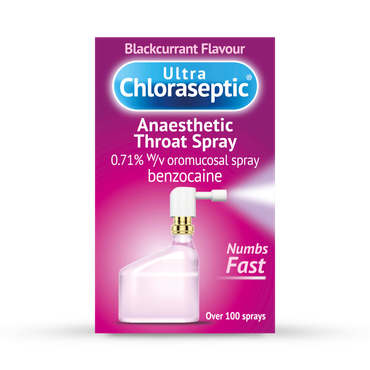
Pain is universal. It's your body saying, "something's not right." Whether it's a pounding headache, an aching back, or surgical pain, the first thing is to reach for a painkiller. But here's the truth: not all painkillers are created equal, and how they work inside your body is more complex than most people realize.
Painkillers, or analgesics, are drugs that reduce or block pain signals. They don't "cure" the problem; they play games with how your brain senses pain. Some work on the region of damage or swelling, and others directly on your nervous system.
Briefly, painkillers either reduce the message or alter the manner in which your brain receives it. That's how they can calm you down, despite the root cause of the pain, which is still present, such as a sprain, inflammation, or infection.
There are three categories:
All of these work differently and have their pros and cons. Understanding the difference enables you to make better decisions for your body.
Pain starts at sensory nerves that detect damage and transmit electrical impulses to the spinal cord and brain. Your brain then interprets the signals as pain. Painkillers interfere with various points along this sequence:
These are the ones you probably have in your medicine cabinet right now.
Paracetamol (Acetaminophen)
It's gentle on the stomach, safe for all and great for headaches, fever, and light pain. But it does have its limits. Take more than recommended, and it can destroy your liver. The safe daily maximum is around 4 grams for adults, but even that is not safe if you drink alcohol or have liver disease.
NSAIDs (Ibuprofen, Naproxen, Aspirin)
These treat both pain and inflammation and are an excellent option for injury, arthritis, and cramps during menstruation. But long-term use will disturb the stomach lining, increase the risk of ulcers, or affect kidney function, especially when used on an empty stomach or for prolonged periods.
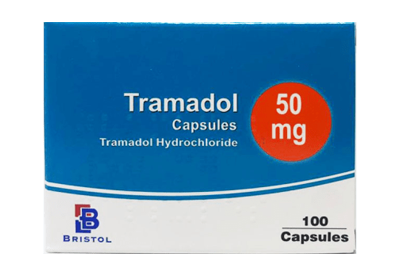
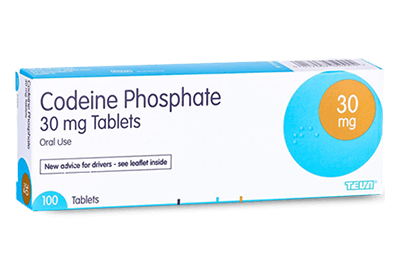
Opioids are potent. They're used for moderate to severe pain following surgery, cancer, or severe injury. These types of medications, like morphine, oxycodone, codeine, or tramadol, are copies of endorphins, your own painkillers. They lock onto receptors in the nervous system and reduce pain perception by a lot.
That's the catch, they also depress breathing, dull sensation, and can lead to dependence. That is not moral panic; that's biology. The same receptors that soothe pain also illuminate reward mechanisms in the brain.
Tolerance creeps up on you over time; you need more to get the same relief. And that's how addiction strikes quietly. For short-term medical management, opioids work and are even required. But for emotional or chronic pain, they're a dangerous fix.

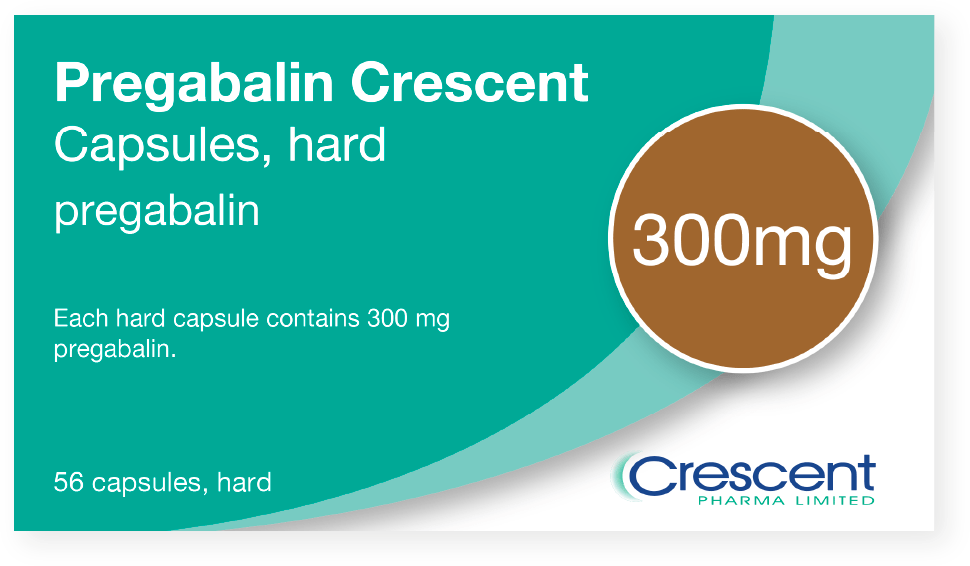
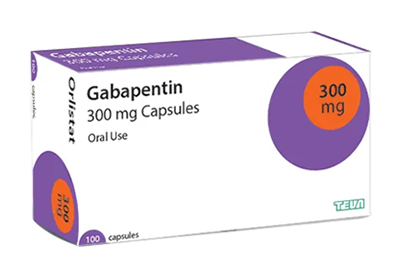
Not every pain is kept at bay by typical painkillers. Nerve pain, for example, that shocking, searing pain you experience from sciatica or diabetes, usually requires a different solution.
Enter the adjuvants. They are:
Painkillers do work, but too good a thing turns bad quickly. Too frequent use can lead to a number of problems:
Painkillers work best when taken with a purpose. A few simple rules work wonders:
You can't eliminate a painkiller altogether in each instance, but habit changes may be beneficial.
If used correctly, absolutely. But "safe" doesn't equal "risk-free." Let's just be honest, all painkillers have negatives to them, even the over-the-counter varieties. It's a matter of dosage, length, and one's health. Those with liver, kidney, or heart disease need to exercise special care. So does anyone on other chronic medications, as interactions tend to occur. Read the labelling and if in doubt, ask a doctor or pharmacist whether it is safe to take together or mix medicines.
Remember: it is not about eliminating pain at all costs. It is about keeping it under control until it improves.
Medicine is shifting away from blocking pain and toward understanding it. Researchers are exploring non-addicting medications, nerve-blocking therapies, and even brain stimulation to alter how pain messages are perceived.
The future is tipping toward personalized pain treatment, using genetics, nerve imaging, and behavioural monitoring to treat in different ways. What that means is that the next decade may lead us away from one-pill-fits-all pills to safer, smarter, more tailored treatments.
Painkillers have their uses in contemporary medicine; they can restore function, dignity, and comfort. But they're not a lifestyle accessory. Listen to your body rather than drowning it out whenever it complains. Pain has a tendency to signal stress, overuse, or imbalance. The best course of action is one of awareness, treatment, and patience. Relief is needed, but finding out what's causing the pain is where true healing begins.
Choose from our wide range of treatments and get started today—no need to visit a pharmacy or GP.
Your expert online consultation with one of our registered prescribers is a vital part of our process – ensuring you get the treatment that you need confidentially and conveniently.
One of our regulated partner pharmacies will dispense and ship your treatment directly to you in discreet packaging.
Copyright © 2026 PharmNexa.com. All rights reserved worldwide.