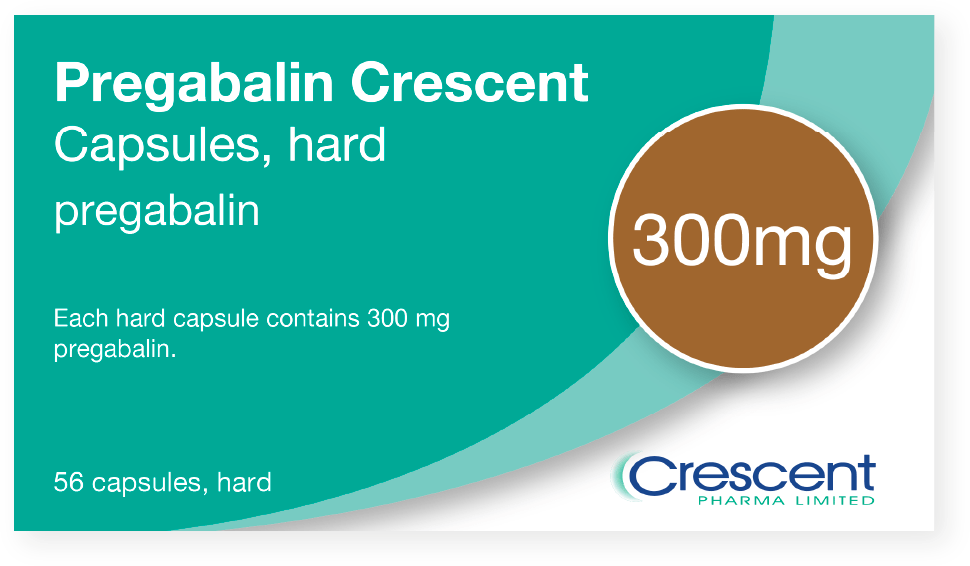
Images for illustrative purposes only
This information is for educational purposes only; please consult a doctor before starting any treatment.
Pregabalin is a prescription medication commonly used to treat nerve pain, epilepsy, and certain anxiety disorders. Clinical studies show it works by affecting nerve signals in the brain and nervous system. Lyrica is the well-known brand name, while pregabalin is the active ingredient.
To ensure safe use, you need to answer a few brief health questions before checkout.
Neurological disorders such as neuropathic pain and epilepsy can be debilitating for an individual and may significantly affect quality of life when effective symptom control is not achieved. Several medicines are used to manage seizures and neuropathic pain, and Pregabalin is one of the recognised treatment options in UK clinical practice.
Pregabalin belongs to the class of anti-epileptic (anticonvulsant) and anxiolytic medicines that help treat various neurological conditions. Pregabalin treatment includes licensed indications such as peripheral and central neuropathic pain, adjunctive therapy for focal (partial) seizures with or without secondary generalisation in adults, and generalised anxiety disorder in adults. In some clinical settings, it may be used off-label for other conditions under specialist supervision. However, it is a prescription-only controlled drug in the UK (Class C, Schedule 3) that requires proper medical assessment before prescribing or taking it. In addition, the medicine is sold under the brand name Lyrica and may be combined with other anticonvulsant medications as adjunct therapy for seizure control.
Apart from the effectiveness of Pregabalin, the medicine does contain several side effects, ranging from headache, nausea, vomiting, dizziness, and blurred vision, to mood changes and suicidal thoughts. Pregabalin can also cause respiratory depression, particularly when used in combination with opioids or other central nervous system depressants. Severe adverse reactions are uncommon but can occur, especially in cases of overdose or inappropriate combination with other sedating medicines. Therefore, it is strongly advisable to consult a healthcare provider before taking Pregabalin. Knowing about the common uses, side effects, dosage recommendations, and precautions is key to ensuring safe and effective administration of Pregabalin. Pregabalin should only be obtained through a regulated and lawful source following appropriate medical assessment.
Pregabalin is an anticonvulsant medicine that is used for the treatment of neuropathic pain, generalised anxiety disorder, and as adjunct therapy in focal seizures. It has structural similarity to the inhibitory neurotransmitter gamma-aminobutyric acid (GABA). However, it does not bind directly to GABA-A or GABA-B receptors and does not increase GABA concentrations.
The mechanism of action of Pregabalin involves binding to the alpha-2-delta subunit of voltage-gated calcium channels in the Central Nervous System. This binding reduces calcium influx into presynaptic nerve terminals and decreases the release of excitatory neurotransmitters such as glutamate, noradrenaline, and substance P. By reducing neuronal excitability, Pregabalin helps to modulate abnormal nerve signalling associated with neuropathic pain and seizures.
Pregabalin has analgesic, anticonvulsant, and anxiolytic properties. In generalised anxiety disorder, its effect is thought to be related to the modulation of neuronal hyperexcitability in brain circuits involved in anxiety.
Pregabalin has an elimination half-life of approximately 6 hours in individuals with normal renal function. It is primarily eliminated unchanged via renal excretion. Steady-state plasma concentrations are generally achieved within 24 to 48 hours of repeated administration. The half-life may be prolonged in patients with renal impairment, and dose adjustment is required.
Various forms and strengths of Pregabalin are available in the UK. Pregabalin uses include treatment of neuropathic pain, adjunctive treatment of focal seizures, and generalised anxiety disorder. It works by reducing abnormal neuronal excitability in the brain. Here is a detailed breakdown of commonly available Pregabalin forms and strengths in the UK:
Pregabalin oral capsules – 25 mg, 50 mg, 75 mg, 100 mg, 150 mg, 200 mg, 225 mg, and 300 mg
Pregabalin oral solution – 20 mg/ml
Extended-release formulations are not routinely available in the UK under standard NHS prescribing and may not be applicable in all settings.
One should have a clear idea of the typical Pregabalin dosage before using it for a specific condition. Dosage must always be determined by a healthcare provider based on the indication and patient-specific factors.
The usual adult starting dosage for neuropathic pain is typically 75 mg twice daily or 150 mg per day in divided doses, which may be increased based on response and tolerability. The maximum recommended dosage is generally 600 mg per day.
For diabetic neuropathy, the typical initial dose is 50 mg three times a day, with a usual maximum of 300 mg per day based on response and tolerability.
For epilepsy (adjunctive therapy for focal seizures), the usual starting dosage is 150 mg per day in divided doses, which may be increased gradually up to a maximum of 600 mg per day depending on clinical response.
For generalised anxiety disorder, the initial dosage is often 150 mg per day in divided doses, which may be increased based on response. The maximum recommended dosage is generally 600 mg per day.
People above the age of 65 require monitoring by a healthcare provider when using Pregabalin, especially due to the increased likelihood of reduced renal function. Dose adjustment is required in patients with renal impairment. Pediatric use of Pregabalin depends on age and indication and should only be undertaken under specialist supervision. It is important to consult with a doctor before using it for a child.
Pregabalin may be used for both short-term and long-term treatment depending on the indication. For example, in epilepsy, long-term treatment may be required. In anxiety disorders or neuropathic pain, the duration of treatment should be regularly reviewed. Discontinuation should be gradual to minimise withdrawal symptoms.
Pregabalin is an analgesic, anticonvulsant, and anxiolytic medicine with several recognised clinical uses. Here are key aspects of Pregabalin treatment:
Pregabalin is absorbed relatively rapidly after oral administration, with peak plasma concentrations typically occurring within approximately 1 hour for immediate-release capsules or solution. Clinical improvement in neuropathic pain or anxiety may take several days to weeks, depending on the individual’s response.
Pregabalin decreases abnormal neuronal excitability in the Central Nervous System. It is helpful for the treatment of neuropathic pain, adjunctive treatment of focal seizures, and generalised anxiety disorder in adults.
Pregabalin is available in multiple strengths, allowing individualised dose titration. Patients should always start at a lower dose and adjust gradually under medical supervision to minimise side effects.
Pregabalin can be used long-term in conditions such as epilepsy when clinically indicated. For other conditions, such as anxiety disorder or neuropathic pain, duration of use depends on response and ongoing clinical assessment.
By binding to the alpha-2-delta subunit of voltage-gated calcium channels, Pregabalin reduces neuronal hyperexcitability. This helps reduce nerve pain, seizure frequency in focal epilepsy (as adjunct therapy), and anxiety symptoms in generalised anxiety disorder.
By helping control symptoms of neuropathic pain, seizures, or anxiety disorder, Pregabalin may support improved daily functioning in appropriately selected patients.
Experiencing side effects can be common when using medication, and Pregabalin is no exception. To reduce risks, the medicine must be used as prescribed.
These side effects are usually mild to moderate and may resolve as the body adjusts. Medical attention is required if symptoms become severe or persistent.
Angioedema (swelling of the face, lips, tongue, or throat)
Allergic reactions
Mood changes or suicidal thoughts
Severe drowsiness
Respiratory depression, particularly when combined with opioids or other CNS depressants
Pregabalin may not be suitable for people with significant renal impairment without dose adjustment. Caution is required in patients with respiratory compromise or when used alongside opioids. Pregnant or breastfeeding women should consult a healthcare provider before using this medicine. Abrupt discontinuation should be avoided; dose tapering is recommended.
Pregabalin has clinically relevant interactions, particularly with medicines that depress the central nervous system.
Notable interactions include:
Opioids - Concomitant use with opioids increases the risk of severe sedation, respiratory depression, coma, and death.
CNS depressants - Sedative medicines, including benzodiazepines and certain sleep medications, can increase sedation and respiratory depression when combined with Pregabalin.
Benzodiazepines - Increased risk of enhanced sedation, dizziness, impaired coordination, and confusion.
ACE inhibitors - Concomitant use may increase the risk of angioedema.
Antidiabetic medicines such as pioglitazone - Combined use may increase the risk of weight gain and, in susceptible patients, fluid retention, which may worsen heart failure.
Antidepressants - Co-administration may increase central nervous system side effects such as dizziness and somnolence.
Antihistamines - Sedating antihistamines may enhance drowsiness and impaired alertness.
Healthcare providers should review a full medication history before prescribing Pregabalin.
Alcohol is the most clinically significant substance interaction with Pregabalin. Alcohol is a central nervous system depressant and can worsen the sedative effects of Pregabalin.
Combining alcohol with Pregabalin may increase:
Dizziness
Drowsiness
Impaired coordination
Confusion
Respiratory depression in severe cases
Patients are advised to avoid or limit alcohol consumption while taking Pregabalin.
Pregabalin can be taken with or without food. There are no major clinically significant food interactions, but patients should follow their prescriber's advice.
Key interaction categories to consider with Pregabalin include:
Opioids
CNS depressants
Benzodiazepines
ACE inhibitors
Antidiabetic medicines (e.g., pioglitazone)
Sedating antihistamines
Antidepressants
Pregabalin is a controlled medicine with potential for misuse and dependence. Healthcare professionals should assess full medical history and current medications before prescribing. Patients should avoid self-prescribing and use the medicine only under medical supervision.
Pregabalin is a prescription-only controlled medicine in the UK. It should only be supplied following an appropriate medical assessment and a valid prescription. Patients should obtain Pregabalin from a regulated and licensed pharmacy.
The cost of Pregabalin can vary depending on strength, formulation, and whether a branded or generic version is prescribed. Patients should prioritise obtaining the medicine from lawful, regulated sources rather than focusing solely on price.
Pregabalin is used in the UK for neuropathic pain, focal seizures (as adjunct therapy), and generalised anxiety disorder. Patient responses can vary.
Some individuals report improved symptom control in neuropathic pain or seizure frequency reduction when used as prescribed. Others may experience side effects such as dizziness or drowsiness, particularly during dose titration.
Pregabalin is a prescription-only controlled medicine used for neuropathic pain, adjunctive treatment of focal seizures, and generalised anxiety disorder in adults. It must be used following proper medical assessment and according to prescribed dosage instructions.
Pregabalin can cause side effects, including sedation and, in rare cases, respiratory depression, particularly when combined with opioids or other CNS depressants. Careful monitoring and avoidance of misuse are essential.
Patients should consult a healthcare provider before starting or adjusting Pregabalin and obtain it only from regulated, licensed pharmacies.
1mg - Pregabalin: View Uses, Side Effects and Medicines: https://www.1mg.com/generics/pregabalin-210553?srsltid=AfmBOop9QsrOrsANUq0AQG83jGKM1gL5EbZBf3YGZ-kN4X2m32hxg_Dj
MedlinePlus - Pregabalin: MedlinePlus Drug Information: https://medlineplus.gov/druginfo/meds/a605045.html
StatPearls - NCBI Bookshelf - Pregabalin: https://www.ncbi.nlm.nih.gov/books/NBK470341/
NHS - Pregabalin: medicine to treat epilepsy and anxiety: https://www.nhs.uk/medicines/pregabalin/
DrugBank Online - Pregabalin: Uses, Interactions, Mechanism of Action: https://go.drugbank.com/drugs/DB00230
Mayo Clinic - Pregabalin (oral route) - Side effects & dosage: https://www.mayoclinic.org/drugs-supplements/pregabalin-oral-route/description/drg-20067411
Drugs.com. - Pregabalin: Uses, Dosage, Side Effects & Warnings: https://www.drugs.com/pregabalin.html
Cleveland Clinic - Pregabalin (Lyrica): Uses & Side Effects:https://my.clevelandclinic.org/health/drugs/19097-pregabalin-capsules
Hull University Teaching Hospitals NHS Trust - Pregabalin: https://www.hey.nhs.uk/patient-leaflet/pregabalin/
WebMD - Pregabalin (Lyrica): Uses, Side Effects, Interactions, Pictures, Warnings & Dosing: https://www.webmd.com/drugs/2/drug-93965/lyrica-oral/details
Above, we have discussed some key authoritative sources we used to craft our Pregabalin guide. So, the information we have discussed here is reliable, and to the best of our knowledge. This guide also strictly prohibits self-prescribing Pregabalin and advises consulting with a healthcare provider before taking or adjusting your Pregabalin dosage.
Pregabalin binds to the alpha-2-delta subunit of voltage-gated calcium channels in the CNS, reducing the release of excitatory neurotransmitters and decreasing neuronal hyperexcitability associated with neuropathic pain, focal seizures, and anxiety.
Pregabalin is rapidly absorbed, with peak levels reached in about 1 hour with immediate-release formulations. Symptom improvement may take several days to weeks, depending on the condition being treated.
You should inform your doctor about your full medical history, especially kidney problems, respiratory conditions, and any medicines you are taking, particularly opioids or sedatives.
If you remember, take it as soon as possible after missing a dose. If it is almost time for your next dose, skip the missed dose and continue your regular schedule. Do not take double doses.
Yes, Pregabalin can cause dizziness, drowsiness, and impaired concentration. Patients should avoid driving or operating machinery until they know how the medicine affects them.
Pregabalin is used for neuropathic pain, adjunctive treatment of focal seizures, and generalised anxiety disorder in adults.
Common side effects include drowsiness, dizziness, nausea, dry mouth, blurred vision, and weight gain.
Pregabalin can be supplied online in the UK only with a valid prescription through a regulated pharmacy.
Pregabalin can cause dizziness and drowsiness. You should avoid driving until you know how it affects you and ensure you are not impaired.
Copyright © 2026 PharmNexa.com. All rights reserved worldwide.