• Prescriptions issued by licensed UK Doctors

  • Safe and convenient service

Chronic Conditions

Nootropics

Everyone is after their focus, memory, and mental sharpness. Whether you’re a student preparing for exams, a business professional racing against deadlines, or just someone trying to think a little more clearly, the allure of nootropics is enticing. They're heralded as brain-enhancing or smart drugs, touting increased focus, creativity, and mental stamina. But what are they, exactly, and do they live up to that hype?

Modafinil

Modafinil

  • Promotes wakefulness and alertness
  • Used to treat sleep disorders like narcolepsy and sleep apnea
  • Starts working within 30–60 minutes

From

£49.99

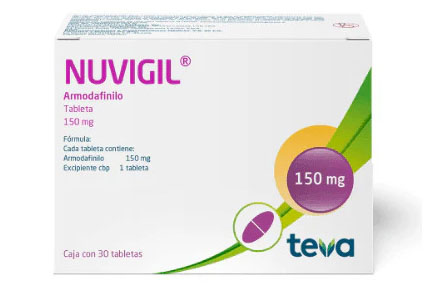
Armodafinil

Armodafinil

  • Improves wakefulness and mental alertness
  • Used to treat excessive sleepiness and narcolepsy
  • Starts working within 30–60 minutes

From

£44.99

More Information

Nootropic comes from the Greek prefixes "nous" (mind) and "trepein" (to turn or bend). In short, they're drugs that are claimed to enhance intellectual processes such as memory, concentration, motivation, and creativity.

All nootropics are not the same. There are natural chemicals like caffeine, L-theanine, or ginkgo biloba. Others are synthesized, where scientists develop them to target a particular brain function. There are also prescription medications like Modafinil and Adderall, which are used to treat medical conditions like ADHD or narcolepsy, but are often abused for performance purposes.

Your brain is a system of neurons releasing electrical and chemical signals every second. Nootropics interact with these systems in different manners depending on the nature of the nootropic. Some increase blood flow to the brain, which increases oxygen and nutrient delivery. Others have an impact on neurotransmitters, the chemical messengers of the brain, to wake one up or improve mood.

Here are some of the primary mechanisms through which nootropics are thought to operate:

  • Increasing neurotransmitters such as acetylcholine, dopamine, or serotonin, which regulate attention, drive, and mood.
  • Boosting brain energy metabolism through enhanced ATP (cellular energy) production.
  • Increasing neuroplasticity, the brain's ability to form new connections and learn.
  • Reducing oxidative stress, protecting brain cells from damage.
  • Levelling brain waves, encouraging calm alertness over jittery stimulation.

In theory, that all sounds very impressive. Practically, the effects are extremely variable. Not everyone responds in the same manner, and a great deal hinges on dosage, type of nootropic, and individual biology.

Caffeine and L-Theanine
The world's best-known pick-me-up, caffeine increases alertness and focus by suppressing adenosine, the chemical messenger that informs the brain it needs rest. On its own, caffeine causes jitteriness or anxiety. But paired with L-theanine, an amino acid found in green tea, the pair delivers smoother, more relaxed energy.

Ginkgo Biloba
Derived from one of the world's oldest tree species, ginkgo is thought to enhance brain circulation and memory. A few studies indicate that it can aid cognitive ability in older people, although findings in healthy young adults are varied.

Panax Ginseng
Used frequently in traditional Asian medicine, ginseng is thought to enhance mood, response time, and working memory. It's also revered for combating fatigue and enhancing mental stamina.

Omega-3 Fatty Acids
EPA and DHA, in fish oil, play a crucial role in brain cell membranes and neuron communication. They are not stimulants but play a role in long-term mental health, mood, and inflammation reduction.

Rhodiola Rosea
An adaptogenic herb that makes your body more resistant to stress. It's associated with increased concentration and mental endurance, particularly in conditions of fatigue or anxiety.

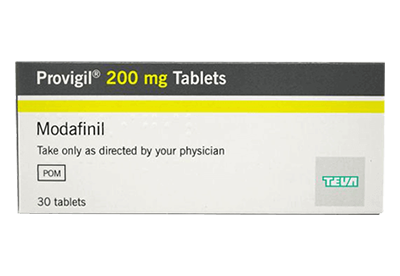
Modafinil
Developed initially for treating narcolepsy, Modafinil induces wakefulness and concentration without the hyperstimulation of conventional stimulants. Studies confirm that it can improve planning, decision-making, and alertness in sleep-deprived patients.

Adderall and Ritalin
Prescribed to cure ADHD, these medications boost levels of dopamine and norepinephrine, concentrating energy and attention. Productivity is occasionally accomplished with them off-label, but it is dangerous to do so without the guidance of a doctor. Side effects are anxiety, addiction, or cardiovascular stress.

Racetams (such as Piracetam, Aniracetam, Oxiracetam)
These were the initial synthetic nootropics that had been made. They're thought to improve memory and learning by affecting acetylcholine receptors. The proof is contradictory, with some experiencing positive effects in cognitive impairment while others see little effect in healthy individuals.

Noopept
A peptide-based substance is supposed to enhance memory consolidation and neuroprotection. It's well-liked for being quick, though information regarding long-term safety is scarce.

The excitement surrounding nootropics usually gets ahead of the science. Some substances, such as caffeine, omega-3s, and some adaptogens, have solid clinical support. Others are based on anecdotal evidence or small, short-term trials.

  • A 2015 European Neuropsychopharmacology study indicated that Modafinil might support executive functions, especially for complicated tasks, but only for those who had been deprived of sleep or under stress.
  • A 2017 review of Frontiers in Aging Neuroscience stated that Bacopa Monnieri demonstrated reproducible enhancement of memory recall and cognitive processing speed.
  • In contrast, Piracetam and other racetams have mixed evidence in healthy consumers, and most tests demonstrate little effect on intelligence or memory.

Most natural nootropics are safe in dosages recommended, but synthetic compounds can be downright dangerous, particularly if one takes them on their own. Side effects range from headaches, insomnia, rapid heart rate, irritability, and even mood swings.

Taking too much of a stimulant like Adderall or Modafinil can interfere with normal sleep patterns and dopamine equilibrium, which ironically decreases concentration in the long term. Even botanical drugs can interact with other medications or become cumulative when mixed.

If you are thinking about nootropics, two rules are most important:

  • Begin small, and take one supplement at a time so that you can monitor effects.
  • Consult a physician, particularly if you're already on medication or have underlying medical problems.

This is what most people miss. Nootropics can't overcome an inferior foundation. Lack of sleep, excessive stress, dehydration, or inactivity all diminish their effectiveness.

Cognitive function isn't chemical; it's systemic. The optimal "stack" for brain function still consists of:

  • 7-8 hours of regular sleep
  • Whole foods that are full of micronutrients and omega-3s
  • Frequent movement, which increases blood flow and brain-derived neurotrophic factor (BDNF)
  • Mindfulness or meditation, which improves attention control
  • Focus cycles and breaks (such as the Pomodoro technique)

Nootropics may be able to enhance these habits, not substitute for them. Consider them support actors, not the star.

That all depends on your definition of "smarter." If you mean to be more alert, less tired mentally, or to be able to focus longer, yes, there are some that can assist. But if you mean permanently boosting IQ or unlocking inner genius, the science simply does not allow for that.

What nootropics are able to do is fine-tune the environment your brain operates in. They may help to improve neurotransmitter balance, lower stress hormones, or improve short-term memory. But the actual gains come from regular cognitive training, good health, and intentional rest.

Nootropics exist where neuroscience, wellness, and human interest intersect. From herbal plants to synthesized chemicals, all of them share one mission: enhancing your brain's functionality. A few, such as caffeine, L-theanine, and omega-3s, are established helpers. Others, such as Modafinil or racetams, require more long-term studies before they can be termed safe for daily application.

If you're interested, begin with evidence-based natural nootropics. Combine these with better habits such as a good diet, quality sleep, and mental rest. Don't stack several synthetic alternatives, and don't seek quick fixes. The most intelligent way to become more intelligent isn't in a pill; it's in the way you care for the brain you do have.

Our convenient, discreet & safe private prescription service

Step 1
1

Select the medication that you need

Choose from our wide range of treatments and get started today—no need to visit a pharmacy or GP.

Step 2
2

Complete an expert online consultation

Your expert online consultation with one of our registered prescribers is a vital part of our process – ensuring you get the treatment that you need confidentially and conveniently.

Step 3
3

Discreet delivery to your home

One of our regulated partner pharmacies will dispense and ship your treatment directly to you in discreet packaging.