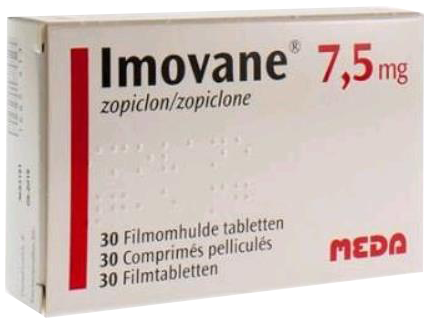
Images for illustrative purposes only
This information is for educational purposes only; please consult a doctor before starting any treatment.
Zopiclone is a prescription medication commonly used for the short-term treatment of insomnia. Clinical guidance shows it works by affecting calming signals in the brain, helping people fall asleep faster and maintain sleep when used under medical supervision.
To ensure safe use, you need to answer a few brief health questions before checkout.
Insomnia is not just the occasional restless night. For many people, it becomes a recurring struggle that seeps into every part of life. Energy levels, concentration, and mood are affected, and physical health can be affected, too. That is where prescription medicines like Zopiclone may be used. Zopiclone is a clinically tested medicine used for short-term management of insomnia when appropriate.
So, what is Zopiclone used for? Doctors prescribe it primarily for the short-term treatment of insomnia. That may mean difficulty falling asleep, waking too often during the night, or waking too early in the morning. Zopiclone helps people get the restorative rest their bodies and minds need by calming the brain and encouraging more stable sleep patterns. In some cases, it may be used when sleep disruption is linked to acute stress or temporary circumstances, such as recovery after illness, when sleep can become disturbed.
Zopiclone comes as zopiclone tablets. It is usually taken shortly before bedtime. It can be more reliable than some non-prescription sleep aids for short-term insomnia. The importance of treating insomnia should not be underestimated. Chronic lack of sleep is associated with impaired concentration, reduced performance, accidents, and worsening mental health. It has also been linked to broader health risks, including cardiovascular disease, although individual risk depends on many factors. Daily functioning is often affected: sluggish mornings, poor focus at work, and irritability when interacting with others. The consequences of ongoing sleep deprivation can be especially serious for people in sensitive roles such as healthcare or operating heavy machinery.
Zopiclone tablets are not a solution that will suit everyone. They are not intended for prolonged daily use. However, when prescribed appropriately and taken as directed, they may provide a short window of relief that helps reset sleep patterns and rebuild healthier habits.
The effects of Zopiclone become clearer when we look at what happens in the brain during sleep. Multiple regulatory systems, multiple sleep, and the balance of neurotransmitters are critical. One key neurotransmitter is gamma-aminobutyric acid (GABA), which slows brain activity and helps the body enter the calm state needed for sleep.
Zopiclone works by enhancing the effects of GABA through binding to GABA-A receptor complexes (at the benzodiazepine binding site). In simple terms, it acts as an amplifier of the brain’s natural “off switch.” Once the medicine is in the system, it reduces excessive neuronal activity. Many patients report quicker sleep onset and fewer night time awakenings.
The benefit is not limited to sleep initiation. Zopiclone can help maintain sleep throughout the night, reducing the risk of repeated awakenings and fragmented sleep. Compared with some lighter sedatives, this can translate into more continuous sleep for certain patients.
In addition to insomnia, the calming effects of zopiclone on the central nervous system can sometimes lead to off-label prescribing in specific situations, including anxiety-related sleep disturbance. However, zopiclone is not primarily an anxiolytic medicine, and such use should be short-term and closely supervised.
Another concern is how long the medicine stays active. Zopiclone’s elimination half-life is relatively short, typically around five hours in healthy adults, although this can vary. This supports overnight effectiveness while reducing, but not eliminating, the risk of next-day impairment. If sleep time is cut short, next-day drowsiness and slowed reaction time can still occur.
This balance between effectiveness and duration is one reason why dosing must be individualised. Too low a dose may not help; too high a dose increases the chance of next-day sedation, confusion, and safety risks. Clinicians consider age, liver function, other medicines, and falls risk when prescribing.
The zopiclone dosage varies based on age, overall health, and the severity of sleep problems. Getting the appropriate dosage is crucial to balance effectiveness and safety.
7.5 mg is a commonly prescribed dose for adults and is generally taken at bedtime. Elderly individuals and those with liver impairment are usually started on a lower dose, such as 3.75 mg, to reduce the risk of next-day sedation, confusion, and falls. Dose adjustment may also be needed in certain other medical conditions based on clinical judgement.
The most frequently used dosages are:
In some countries and settings, higher strengths may exist, but higher doses increase the risk of adverse effects, complex sleep behaviours, and dependence. Prescribing should follow local guidance, and the lowest effective dose should be used.
Some important points to consider related to safety are:
People usually feel the sedative effect within an hour of taking the medication. Doctors stress that patients should avoid driving or operating machinery after taking zopiclone and ensure they are in a safe sleep environment.
Zopiclone’s primary benefit is its relatively rapid onset. For those who struggle to fall asleep and lie awake for long periods, improvement can be noticeable. It generally begins to work within 30 to 60 minutes, helping users fall asleep more quickly. This is one reason it may be chosen over some OTC sleep aids that can be inconsistent or ineffective for significant insomnia.
The second benefit relates to sleep maintenance. Insomnia is not only difficulty falling asleep; frequent waking matters too. Zopiclone may reduce the number of awakenings during the night and support longer, less fragmented sleep. Some people report deeper, more restorative sleep with herbal remedies or milder sedatives than with other sleep aids.
Zopiclone aims to balance sleep benefit with next-day functioning. Longer-acting sedatives can leave people sluggish and less focused in the morning. Because zopiclone has a relatively short half-life, many people feel less of a “hangover” effect, especially if they get a full night of sleep. However, next-day impairment can still occur, particularly if sleep duration is short, the dose is high, or alcohol/other sedatives are involved.
Better sleep can improve daytime function, including focus, mood stability, and overall productivity. Well-rested individuals may also cope better with stress, supporting a healthier cycle of physical and mental well-being.
Ultimately, a key advantage of zopiclone is reducing the anxiety surrounding sleep in the short term. When people regain confidence in their ability to sleep, healthier routines can return, and the need for medication often decreases.
Like any prescription medicine, zopiclone offers benefits but also carries risks. Understanding possible side effects and safety precautions helps patients use it responsibly.
Common side effects are usually mild and temporary, especially when the medicine is taken for the short term:
Less common, but more serious side effects may occur:
Safety is especially critical when combining zopiclone with other substances. Alcohol, opioids, benzodiazepines, and some antidepressants and antipsychotics can intensify sedation, slow breathing, and increase the risk of falls and accidents. Doctors usually advise avoiding alcohol completely while using zopiclone and disclosing all medicines, supplements, and substances.
There are also specific groups who should approach zopiclone with extra caution:
In everyday life, one of the most important safety reminders is about driving and operating heavy machinery. Even at normal doses, zopiclone can reduce alertness the next day if sleep is cut short. Patients should only use it when they can allow for a full night of sleep.
Used correctly and under medical guidance, zopiclone is generally safe for short-term use. Awareness of these risks helps keep treatment effective without unnecessary complications.
Upon ingestion, zopiclone does not act in isolation. Because it affects the central nervous system (CNS), it can interact with many other medicines. Some interactions may be mild, but others can be dangerous. This is why doctors insist on a full medication history before prescribing.
The interactions of greatest concern include:
From an actionable standpoint, patients should:
Zopiclone may be safe on its own at prescribed doses, but in combination with certain medicines it can become harmful.
Food and drink can affect how zopiclone works. While alcohol is the most important risk, other elements can reduce effectiveness or increase side effects. Timing is key: heavy or high-fat meals can slow absorption, so zopiclone may take longer to work. Many clinicians advise taking it shortly before bed and avoiding heavy meals close to bedtime if rapid sleep onset is needed.
Major interactions include:
Food can seem minor, but it can meaningfully influence how a sleep medicine performs.
Because zopiclone interacts with many medicines, a quick checklist can help:
Main categories to watch for:
How to use this: Patients should consult a doctor or pharmacist before adding new medicines. Professionals use interaction checkers to identify overlaps and adjust doses or timing safely.
Key takeaway: never combine zopiclone with other sedatives without medical supervision.
With growing demand for convenience, many patients look for ways to buy zopiclone online. This can be safe and efficient, but only if approached carefully. The most important factor is choosing a licensed, regulated pharmacy. Legitimate UK providers will require a prescription and should not supply zopiclone without appropriate clinical oversight.
Many websites advertise zopiclone for sale in the UK, but not all operate legally. Some unregulated sellers offer tablets without prescriptions, often at lower prices. Still, the risk is significant: counterfeit medicines may contain the wrong dose, harmful ingredients, or no active ingredient. Anyone considering buying online should prioritise safety and regulatory checks.
Legitimate online pharmacies make the process straightforward. After an appropriate assessment and a valid prescription, patients can purchase zopiclone online. Depending on the service, next-day delivery may be available. Reputable services also provide clear dosing instructions, safety advice, and customer support, which are essential for responsible use.
Zopiclone is not a casual product. Reliable pharmacies emphasise short-term use, correct packaging, and clear labelling. Buying through authorised platforms provides reassurance that the medicine meets UK standards.
The price of zopiclone is affected by multiple factors, including strength and pack size, as well as whether it is purchased from an online or a local pharmacy. Costs can vary substantially between providers and services, and exact prices change over time.
A few factors that affect cost are:
Safety should always take precedence over cost. Zopiclone should be obtained only from an authorised pharmacy to ensure authenticity and correct packaging.
Many patients in the UK have used zopiclone, and experiences highlight both effectiveness and the need for caution. Some report it was the first medicine that helped them sleep after months of insomnia. Others emphasise strict adherence to medical guidance to avoid overuse.
Commonly reported experiences include:
Not all stories are positive. Some report metallic taste, morning grogginess if sleep is shortened, and concerns about rebound insomnia or withdrawal if stopped abruptly after prolonged use. This reinforces the importance of following a clinician’s plan, including dose reduction if needed.
Insomnia can turn nights into a battle and days into a blur. Zopiclone can offer short-term relief when insomnia is severe, and other approaches are insufficient. It works by enhancing GABA activity, helping people fall asleep faster and maintain sleep more consistently.
However, zopiclone is not a medicine to take lightly. Safe use requires a prescription, the lowest effective dose, a short course, and avoidance of alcohol and other sedatives. It should not be misused for long periods or purchased from unreliable sources. Responsible use is what separates a helpful sleep aid from unnecessary risk.
For patients in the UK, convenience and safety should go hand in hand. Zopiclone should be obtained through regulated pharmacy services with appropriate clinical oversight and clear instructions. Where clinically appropriate and lawful, Next-day delivery may be available through reputable providers. Used correctly, better nights can lead to better days.
Zopiclone usually starts working within 30 to 60 minutes. It is prescribed shortly before bedtime because of its relatively rapid onset.
Zopiclone can cause dependence, particularly if used longer than prescribed, at higher doses, or nightly for extended periods. Used short-term under guidance, the risk is lower but not zero.
Zopiclone is generally for short-term use. Long-term use increases tolerance and dependence risk and should only occur under strict clinical supervision.
If you miss a dose, do not take it unless you still have time for a full night's sleep. Do not double the dose. If dosing is becoming difficult, discuss with your clinician.
No. Alcohol significantly increases sedation and impairs coordination and breathing, raising overdose risk.
Some people experience next-day drowsiness, especially if sleep is shortened, the dose is high, or other sedatives are involved. If it persists, discuss dose adjustment with a clinician.
It can, particularly if you do not get enough sleep or if the dose is too high. Some people also experience amnesia or confusion. Use only when you can sleep 7-8 hours.
No. It may be unsuitable or require extra caution in older adults, pregnant or breastfeeding women, and people with liver disease or respiratory problems. It should not be shared.
It may be prescribed nightly for a short course, but long-term nightly use increases tolerance and dependence risk. It is typically used for the short term when insomnia is severe, and other measures are insufficient.
Copyright © 2026 PharmNexa.com. All rights reserved worldwide.