• Prescriptions issued by licensed UK Doctors

  • Safe and convenient service

Chronic Conditions

Muscle Relaxants

Muscle stiffness or soreness will destroy your day. It might be a pulled back from attempting to hoist something heavy, tension in the neck after computer work for hours on end, or muscle cramping from exercise, and the pain is awful. That's where muscle relaxants come in. They are medications that assist in relaxing muscles, easing pain, and aiding the body in the process of healing. But like all drugs, they have their advantages, their limitations, and their side effects to watch out for.
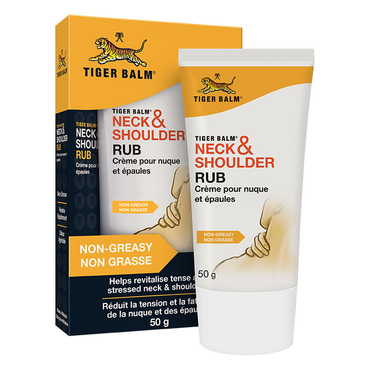

Tiger Balm Neck & Shoulder Rub 50g

Tiger Balm Neck & Shoulder Rub 50g

  • Helps relieve neck and shoulder muscle discomfort
  • Provides a warming sensation to ease tension and stiffness
  • Ideal for targeted massage and daily use

From

£8.99

Tiger Balm Red Ointment 30g

Tiger Balm Red Ointment 30g

  • Helps relieve muscular aches and joint discomfort
  • Provides a strong warming sensation to ease stiffness
  • Suitable for targeted massage and external use

From

£8.99

Tiger Balm White Ointment 30g

Tiger Balm White Ointment 30g

  • Helps relieve headaches and nasal congestion when applied topically
  • Provides a cooling sensation to soothe minor aches and discomfort
  • Suitable for gentle massage and external use

From

£8.49

More Information

Muscle relaxants are medications that reduce involuntary muscle spasms, contractions, or tightness. They mostly work on your central nervous system (CNS) rather than on your muscles. That is why they are also called centrally acting relaxants. They are in two general types:

1. Antispasmodics: Used for short-term muscle spasms. Think of a back strain or tension headache. Examples are cyclobenzaprine (Flexeril), methocarbamol (Robaxin), and tizanidine (Zanaflex).

2. Antispastics: Prescribed for chronic muscle spasticity or stiffness that arises from neurological disorders like cerebral palsy, spinal cord injury, or multiple sclerosis. They consist of dantrolene and baclofen.

The key difference lies in the area they address. While antispasmodics deal with sudden injury or pain, antispastics deal with long-term neurological muscle stiffness.

Most muscle relaxants do not directly relax contracted muscles. Rather, they act on your brain and spinal cord to suppress nerve impulses that lead to muscle contractions. This reduces muscle tone, relieves tension, and makes the muscle relax spontaneously.

This is how it adds up:

  • They inhibit pain signals relayed from nerves to the brain.
  • They reduce spasms of muscles caused by overstretching or injury.
  • They return range of motion and comfort.

Others, like methocarbamol, are mild sedatives themselves, which also help your body relax and recover. But that very same sedation is the cause of their side effect of drowsiness or becoming less alert.

Doctors mainly prescribe them for short-term relief, usually for conditions like:

  • Back or neck strain
  • Tension headaches
  • Fibromyalgia-related muscle pain
  • Sports injuries
  • Surgery or trauma-caused muscle spasms

They're not intended for long-term use in most situations. The normal course runs a few days to two weeks, enough time for inflammation and tension to abate while rest or physical therapy takes hold.

For neurological spasticity, like with multiple sclerosis, long-term usage under close medical supervision is typical.

  • Cyclobenzaprine (Flexeril): Typically used for new neck or back pain. It inhibits nerve impulses, producing spasms. You will feel drowsy, so it is best taken before bedtime.
  • Methocarbamol (Robaxin): A milder medication that relaxes muscles without extreme sedation. Most commonly prescribed for sprains or bruises.
  • Tizanidine (Zanaflex): For acute muscle rigidity and long-term spasticity. It has quick action but lowers blood pressure.
  • Baclofen: Often prescribed to relieve severe stiffness of muscles in relation to spinal injuries or neurologic disorders.
  • Carisoprodol (Soma): Works to alleviate pain caused by musculoskeletal disorders, but with a higher risk of dependence.
    Both are administered in a different way and with some caution, so please do pay special attention to instructions from your doctor.

Muscle relaxants are safe when properly used, but side effects are not absent. The majority of them can be related to the effect of these drugs on the nervous system. The most common are:

  • Drowsiness or tiredness
  • Dizziness or feeling light-headed
  • Dry mouth
  • Blurred vision
  • Nausea
  • Reduced reaction time

They may have unusual side effects such as confusion, low blood pressure, or allergic reactions. Their side effect consideration calls for avoiding alcohol, using heavy machinery, and driving a car while taking them.

If you notice severe side effects such as shortness of breath, a change in heart rate, or weakness, call a doctor at once.

When you experience persistent muscle cramps, weakness, or pain that does not improve within a few weeks, it pays to see a medical practitioner. Chronic or severe muscle issues may signal an underlying illness that needs to be examined further.

Do not use leftover medications or over-the-counter muscle relaxants without first seeing a doctor. What worked once to relieve a back spasm is not necessarily suitable for a later issue.

Muscle relaxants bring relief when pain or stiffness disrupts daily life. When used as instructed, they calm spasms, relieve tension, and hasten recovery. But they're not a cure but a device. If misused, more harm than good can result.

The smartest approach is to pair them with rest, movement, hydration, and good posture habits. Treat the cause, not just the symptom, and you'll find your muscles and your body will respond far better in the long run.

Our convenient, discreet & safe private prescription service

Step 1
1

Select the medication that you need

Choose from our wide range of treatments and get started today—no need to visit a pharmacy or GP.

Step 2
2

Complete an expert online consultation

Your expert online consultation with one of our registered prescribers is a vital part of our process – ensuring you get the treatment that you need confidentially and conveniently.

Step 3
3

Discreet delivery to your home

One of our regulated partner pharmacies will dispense and ship your treatment directly to you in discreet packaging.