• Prescriptions issued by licensed UK Doctors

  • Safe and convenient service

General Health

Sleeping Tablets

Insomnia is one of those problems that quietly consumes your days. You might be okay for a while, but sooner or later, poor sleep rears its head in everything. Your concentration, mood, energy, and well-being. Millions of people have sleepless nights every year, and for some, it becomes an ongoing battle.

Zopiclone

Zopiclone

  • Commonly prescribed sleep medication
  • Helps you fall asleep faster and stay asleep longer
  • Starts working within 30–60 minutes

From

£42.99

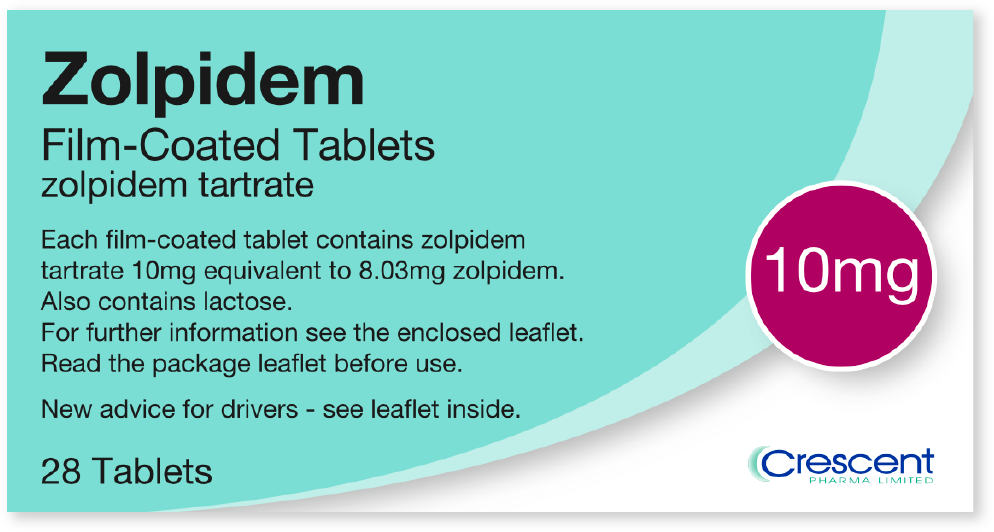
Zolpidem (Zolpidem Tartrate)

Zolpidem (Zolpidem Tartrate)

  • Widely used medication for short-term treatment of insomnia
  • Helps you fall asleep quickly and improves sleep quality
  • Begins to work within 15–30 minutes

From

£49.99

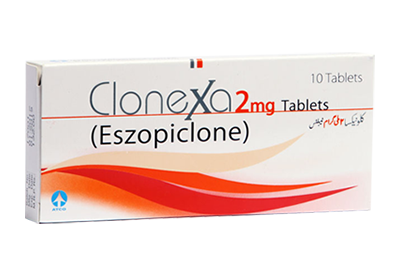
Eszopiclone

Eszopiclone

  • Prescription medication used to treat insomnia
  • Helps you fall asleep faster and stay asleep through the night
  • Starts working within 30–60 minutes

From

£49.99

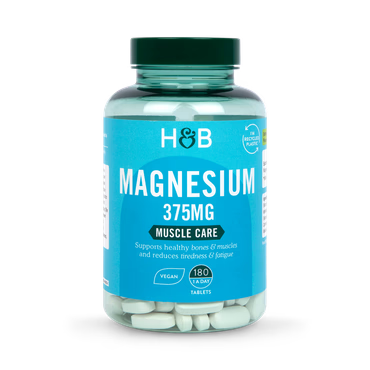
PharmNexa Magnesium 375mg 180 Tablets

PharmNexa Magnesium 375mg 180 Tablets

  • Supports normal muscle and nerve function
  • Helps reduce tiredness, fatigue, and muscle cramps
  • Contributes to overall relaxation and daily wellness

From

£4.25

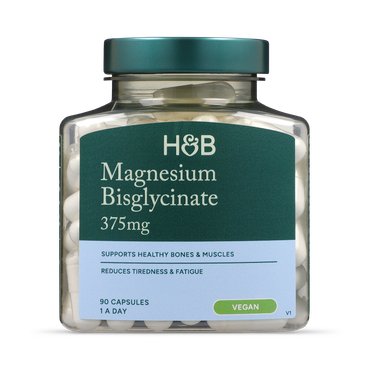
Pharmnexa Magnesium biglycinate 375 mg 90 capsules

Pharmnexa Magnesium biglycinate 375 mg 90 capsules

  • Provides a highly absorbable form of magnesium for daily support
  • Helps support muscle function and relaxation
  • Gentle on the stomach and suitable for regular use

From

£8.99

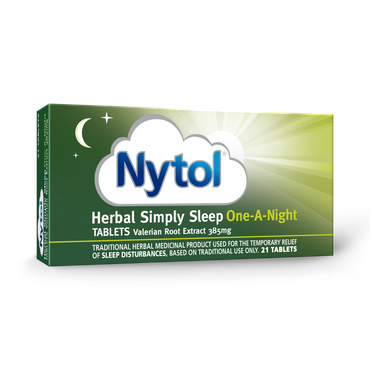
Nytol one a night herbal 21 tablets

Nytol one a night herbal 21 tablets

  • Helps promote natural sleep and relaxation
  • Supports a restful night’s sleep without grogginess
  • Herbal formulation designed for bedtime use

From

£8.49

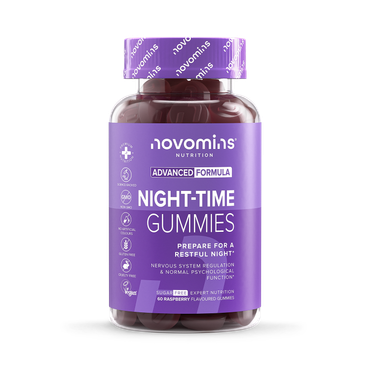
Novomins Night Time 60 Gummies

Novomins Night Time 60 Gummies

  • Helps support relaxation and a calm bedtime routine
  • Formulated to promote a restful night’s sleep
  • Convenient gummy format for easy nighttime use

From

£19.99

When simple remedies such as reducing caffeine, maintaining regular hours, or taking herbal teas fail, physicians will at times prescribe sleep tablets to reset your sleeping cycle. Applied properly, they can provide your body with the rest it has lacked and have you wake up feeling refreshed rather than depleted.

Clinically approved drugs for insomnia are offered at PharmNexa for patients who really need them. These drugs are assessed by health professionals for safety and proper usage.

More Information

It is not very likely that sleeping pills, per se, lead to erectile dysfunction. But chronic insomnia itself, worry, or some underlying illness may be involved. Certain sedatives can decrease testosterone levels slightly when taken for an extended period, potentially affecting sexual function. Lifestyle issues like smoking, drinking, or not treating depression usually have a greater effect.

Sleeping tablets, or hypnotics, are drugs that affect the neurotransmitters in the brain to reduce activity and promote sleep. They are not meant for long-term use, but can be a lifesaver for individuals experiencing a bad spell with sleeping.

They come in varying forms, ranging from benzodiazepines and Z-drugs to melatonin-based therapies. Some ensure you sleep quickly, and others ensure you sleep longer.

Sleeping pills are prescribed to cure temporary insomnia, sleep disturbances caused by anxiety, and jet lag. Sleeping pills assist the brain and body in relaxing sufficiently to enter and stay asleep. Prescription drugs are typically reserved for more severe insomnia, but over-the-counter versions such as diphenhydramine or melatonin are used for mild insomnia.

The immediate advantage is improved sleep, but the actual effect extends beyond. With good rest, your memory is more acute, decision-making is enhanced, and your immune system function improves. In those who are stressed or convalescing, good sleep can greatly enhance healing.

Sleeping tablets may help:

  • Decrease time taken to sleep
  • Prevent waking up many times at night
  • Enhance sleep duration and quality
  • Return to a more regular sleep cycle

Nevertheless, physicians stress utilizing them for only a temporary time. They're a bridge and not a cure-all.

There are numerous causes of bad sleep: extended workdays, stressful emotions, irregular work schedules, travel, or hormonal fluctuations. For others, it's associated with persistent pain or illness, such as thyroid imbalance or anxiety disorders.

In these situations, sleeping tablets break the vicious circle of insomnia and fatigue. It's like reminding your brain what sleep feels like.

Sleeping tablets belong to various types, each with a different effect on the brain. Knowing the types tells you what could be prescribed and why.

Sedative Hypnotics

These medicines slow down your brain activity, relaxing you and allowing you to fall asleep quickly.

  • Benzodiazepines (such as Lorazepam or Temazepam) work but are prone to dependency on long-term use.
  • Non-benzodiazepine hypnotics or Z-drugs (such as Zolpidem and Zopiclone) are shorter-acting drugs and are usually used for short-term insomnia.
  • Melatonin receptor agonists such as Ramelteon regulate the body's natural sleep-wake cycle.

The following are commonly prescribed sleeping tablets and tranquilliser medicines available across UK pharmacies and healthcare providers. They vary in strength, duration of action, and specific indications. Doctors choose based on how severe your insomnia is, your age, and other ongoing medications.

  • Alprazolam (Xanax)
  • Alzain (Pregabalin)
  • Ativan (Lorazepam)
  • Buspirone (Buspar)
  • Chloral hydrate (Welldorm)
  • Chlordiazepoxide (Librium)
  • Circadin (Melatonin)
  • Clomethiazole (Heminevrin)
  • Dalmane (Flurazepam)
  • Diazepam (Valium, Dialar, Stesolid)
  • Diphenhydramine (Nytol, Sleepeaze)
  • Dormagen (Lormetazepam)
  • Dormonoct (Loprazolam)
  • Estazolam
  • Flunitrazepam
  • Halcion (Triazolam)
  • Heminevrin (Clomethiazole)
  • Librium (Chlordiazepoxide)
  • Lorazepam
  • Lormetazepam
  • Lyrica (Pregabalin)
  • Melatonin
  • Midazolam (Hypnovel)
  • Mogadon (Nitrazepam)
  • Nitrazepam
  • Nytol (Diphenhydramine)
  • Oxazepam
  • Phenergan (Promethazine)
  • Rewisca (Pregabalin)
  • Restoril (Temazepam)
  • Rohypnol (Flunitrazepam)
  • Seresta (Oxazepam)
  • Seroquel (Quetiapine, off-label)
  • Stilnoct (Zolpidem)
  • Temazepam
  • Triazolam (Halcion)
  • Zaleplon (Sonata)
  • Zimovane (Zopiclone)
  • Zolpidem (Ambien)
  • Zolpidem CR (Ambien CR)
  • Zopiclone (Zimovane)
  • Zolpidem Tartrate (generic)
  • Zaleplon (generic Sonata)

These medicines range from mild sedatives to short-acting hypnotics used for temporary insomnia. Long-term users are usually switched to non-drug approaches such as CBT-I or melatonin-based therapy to avoid dependency.

Sleeping tablets are of two broad categories. Prescription drugs are more potent and used under medical care, whereas over-the-counter (OTC) ones are designed for mild or occasional insomnia.

Prescription Sleeping Tablets

They are prescribed for short-term relief in the case of intense insomnia or sleep disturbance due to anxiety.

  • Zolpidem (Stilnoct, Ambien)
  • Zopiclone (Zimovane)
  • Eszopiclone (Lunesta)
  • Temazepam (Restoril)
  • Nitrazepam (Mogadon)
  • Lormetazepam (Dormagen)
  • Loprazolam (Dormonoct)
  • Triazolam (Halcion)
  • Quetiapine (low-dose Seroquel, off-label treatment)
  • Melatonin (Circadin, prescription strength)
  • Hydroxyzine (Atarax, occasionally prescribed for sleep and anxiety)
  • Chloral hydrate (Welldorm)
  • Pregabalin (Lyrica, for anxiety-related insomnia)

Non-Prescription (OTC) Sleep Aids

These are available without a prescription but should still be used responsibly. Many contain sedating antihistamines or herbal components.

  • Nytol Original
  • Nytol One-A-Night
  • Sominex (Diphenhydramine)
  • Kalms Night Tablets
  • SleepAid (Diphenhydramine)
  • Sleepeaze Tablets
  • Phenergan (Promethazine)
  • Unisom SleepTabs (Doxylamine)
  • Herbal Dream (Valerian + Chamomile)
  • Rescue Night Liquid Melts (Bach Flower Remedy)
  • Kalms Sleep Valerian Tablets
  • Benadryl Night
  • Nytol Liquid Caramel

Over-the-counter sleep medicines generally produce less intense effects but may prove useful for the occasional bout of insomnia. Never take multiple sleep medications simultaneously unless instructed to do so by a medical doctor.

Medication is more effective when partnered with good, firm sleep habits. In some cases, lifestyle modification by itself can drastically curtail the necessity for extended pharmacological therapy. Below are some evidence-based, practical steps to reinforce your body's internal clock:

  • Be strict about a schedule. Retire and rise at the same hour each day, including weekends. These conditions affect your internal clock.
  • Establish a bedtime ritual. A warm bath, reading some light, or listening to soothing instrumental music can signal to your brain that it's time to relax.
  • Establish a healthy environment. Make your bedroom dark, cool, and quiet. Invest in blackout curtains or an eye mask if needed.
  • Avoid blue light exposure. Refrain from phones, laptops, or TV for at least 30 to 60 minutes prior to bedtime, as blue light delays melatonin release till later.
  • Steer clear of caffeine, alcohol, and nicotine. All three disrupt REM cycles and overall sleep quality.
  • Be exposed to morning sunlight. Natural light in the first half of the day governs circadian rhythm and encourages sleepiness at night.
  • Steer clear of heavy dinners close to bedtime. Opt for lighter snacks if needing something to eat before bed.
  • Make naps short. If you do nap, keep it to 20-30 minutes and avoid napping after 4 p.m.

Good sleep hygiene not only enhances the efficacy of medication but often eliminates your need for sleeping tablets altogether. With time, your body acquires the ability to self-induce rest, reducing your dependency on outside sources.

Cognitive Behavioural Therapy for Insomnia (CBT-I) is used as the gold-standard, non-medication treatment for chronic sleep problems. CBT-I assists patients in altering the thoughts and activities that fuel sleeplessness. The therapy addresses rewiring the brain's conditioned connections between bedtime and anxiety, slowly substituting them with soothing, sleep-inducing signals.

CBT-I typically comprises a number of structured elements:

  • Sleep education: Learning the way sleep works and what destroys it.
  • Stimulus control therapy: Teaching yourself to sleep only when sleepy and to leave bed if unable to sleep after 20 minutes.
  • Sleep restriction therapy: Short-term reduction in time spent in bed to create more intense sleep pressure, which restores natural cycles.
  • Relaxation techniques: Applying deep breathing, mindfulness, or progressive muscle relaxation to calm a racing mind.
  • Cognitive restructuring: Challenging irrational fears about sleep and replacing them with more balanced thinking.

Unlike short-term medication, CBT-I provides lasting results because it corrects the underlying behavioural triggers. Clinical research shows that when practiced consistently, CBT-I improves sleep efficiency, reduces nighttime awakenings, and sustains results for years. Many patients can taper off sleeping tablets entirely within weeks of therapy under professional supervision.

Prescription

  • Zopiclone
  • Zolpidem
  • Zimovane

Non-Prescription

  • Nytol
  • Nytol Herbal Tablets

Prescription medicines are usually stronger and must be used with medical supervision, while non-prescription ones can be tried for mild or temporary issues.

Sleep Medication Helps You Fall Asleep Helps You Stay Asleep Can Cause Dependence
Doxepin (Silenor) ✔
Estazolam ✔ ✔ ✔
Eszopiclone (Lunesta) ✔ ✔ ✔
Ramelteon (Rozerem) ✔
Temazepam (Restoril) ✔ ✔ ✔
Triazolam (Halcion) ✔ ✔
Zaleplon (Sonata) ✔ ✔
Zolpidem (Ambien) ✔ ✔
Zolpidem CR (Ambien CR) ✔ ✔ ✔
Suvorexant (Belsomra) ✔ ✔ ✔

These drugs do not form part of a single chemical class but are utilized for the transient treatment of insomnia or transient sleep disruption. They have varying pharmacological actions, metabolism, and side effect profiles, so medical advice is necessary prior to initiating therapy.

Generic Name Trade Names (UK) Forms Available Half-Life Dietary Considerations
Chloral hydrate Welldorm Liquid More than 6 days None
Clomethiazole (Chlormethiazole) Heminevrin Capsules, liquid 3.6-5 hours Capsules contain gelatin
Diphenhydramine Sleepeaze, Sleep Aid Tablets Tablets 7-17 hours Contains lactose
Melatonin Circadin Tablets 3.5-4 hours Contains lactose
Promethazine Phenergan, Sominex Tablets, liquid, injection 5-14 hours Tablets contain lactose

All of these drugs work by various mechanisms. Chloral hydrate possesses sedative-hypnotic effects but is infrequently used nowadays due to its long half-life. Clomethiazole is indicated for short-term severe insomnia, especially in elderly subjects, but poses a risk of dependence. Diphenhydramine and promethazine are antihistamines that produce drowsiness as an adverse effect; however, continuous administration may result in sedation or confusion on the following day, especially in the elderly. Melatonin, a sleep-wake cycle hormone, is commonly employed to correct disturbances in circadian rhythm like jet lag or delayed sleep phase disorder.

Non-benzodiazepine "Z-drugs" like Zolpidem (Ambien) and Zopiclone are also commonly prescribed for treating patients with sleep initiation or sleep maintenance problems. These drugs act by enhancing the activity of GABA in the brain, inducing tranquillity and sleep onset without the muscle-relaxant action characteristic of benzodiazepines.

They are for short-term use only, typically not more than four weeks, to avoid tolerance and psychological dependence. Stopping them suddenly may lead to transient rebound insomnia or restlessness, but this usually settles within a few days as the body readjusts.

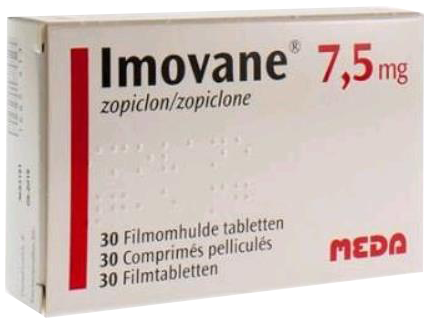
Generic Name Trade Names (UK) Forms Available Half-life Dietary Notes
Zaleplon Sonata Capsules About 1 hour Contains lactose and gelatin
Zolpidem Stilnoct Tablets About 2.4 hours Contains lactose
Zopiclone Zimovane Tablets About 5 hours Contains lactose

These new medications are more desirable because they take effect and clear the system rapidly, minimizing drowsiness the next day.

Common Over-the-Counter Sleeping Pills

  • Diphenhydramine (Nytol, Sominex)
  • Doxylamine (Unisom, Nighttime Sleep Aid)
  • Herbal mixtures of valerian, chamomile, or magnesium

Are sleeping tablets available over the counter?

Some light sleeping aids are available over the counter, but others need a prescription. PharmNexa has both options available, depending on your condition and medical history.

Sleeping Tablets UK

Prescription Medications

  • Zopiclone
  • Zolpidem
  • Zimovane

Non-Prescription Alternatives

  • Nytol One-A-Night
  • Nytol Herbal Tablets

You can safely order sleep tablets from PharmNexa, which guarantees all medication is authentic, controlled, and dispensed by licensed pharmacists. The site also offers discreet delivery and an online consultation facility if you require a prescription.

PharmNexa provides prescription and over-the-counter sleeping tablets throughout the UK with rapid and confidential treatment. Their orders are checked by healthcare professionals to ensure you are given the correct medication to match your condition.

If sleepless nights are causing your health to deteriorate, speak to PharmNexa's clinical team today to discuss your treatment options with them.

Our convenient, discreet & safe private prescription service

Step 1
1

Select the medication that you need

Choose from our wide range of treatments and get started today—no need to visit a pharmacy or GP.

Step 2
2

Complete an expert online consultation

Your expert online consultation with one of our registered prescribers is a vital part of our process – ensuring you get the treatment that you need confidentially and conveniently.

Step 3
3

Discreet delivery to your home

One of our regulated partner pharmacies will dispense and ship your treatment directly to you in discreet packaging.