Images for illustrative purposes only
This information is for educational purposes only; please consult a doctor before starting any treatment.
Zolpidem (Zolpidem Tartrate) is a prescription medication commonly used for the short-term treatment of insomnia. Clinical guidance shows it works by affecting calming signals in the brain, helping individuals fall asleep faster and improve sleep quality when used under medical supervision.
To ensure safe use, you need to answer a few brief health questions before checkout.
Sleep disturbances are more than an inconvenience. When nights of poor sleep accumulate, they can affect concentration, mood, and even long-term health. Insomnia, in particular, can form a cycle that is difficult to break without medical intervention. Zolpidem tartrate is one of the most commonly prescribed medicines used to help break that cycle and support the initiation of sleep.
Unlike over-the-counter or herbal supplements, zolpidem is a prescription medicine indicated for the short-term treatment of insomnia. Physicians may prescribe it if patients have difficulty falling asleep, wake repeatedly during the night, or remain awake for prolonged periods before dawn. By acting on specific brain receptors, zolpidem tablets help reduce central nervous system activity, allowing the body to relax into sleep.
Many people know it by the brand name Ambien, and it is prescribed in many countries for insomnia. Zolpidem tablets are typically taken immediately before bedtime and have a relatively rapid onset of action, often helping patients fall asleep within a short time. For individuals who have been struggling with fatigue for weeks or months, that short-term relief can feel transformative.
The risks of untreated insomnia are well recognised. Reduced alertness, impaired concentration, compromised memory, and increased accident risk can occur. Longer-term sleep deprivation may also be associated with adverse health outcomes, including cardiovascular risk, although this varies between individuals and depends on comorbidities and other factors. That is why appropriate treatment can matter for both health and safety.
Although 10 mg zolpidem tartrate may be prescribed in some adults, it is not a long-term fix. Clinicians generally use it for short durations, allowing patients to resynchronise their sleep cycle and regain confidence in their ability to sleep normally. In this manner, it may provide short-term symptom relief and a foundation for improved overall sleep patterns.
Zolpidem tartrate helps influence the sleep–wake cycle in the brain. Sleep depends on a balance between stimulating and calming signals carried by neurotransmitters. One of the most important inhibitory neurotransmitters is gamma-aminobutyric acid (GABA). When GABA activity increases, it slows down brain activity and allows the body to shift into the relaxed state required for sleep.
Zolpidem binds to specific sites on the GABA-A receptor complex, enhancing the natural calming effect of GABA. In simple terms, it acts like a booster to the brain’s “off switch.” It dampens excessive neuronal firing. Zolpidem tablets can help you fall asleep more easily and reduce the restlessness many patients experience at bedtime.
What makes zolpidem distinctive is its relatively fast onset of action. Taken immediately before going to bed, it usually starts working within 15 to 30 minutes. This makes it particularly effective for people whose main problem is difficulty initiating sleep. The medicine has a relatively short elimination half-life of around two to three hours, which means it supports sleep onset without lingering heavily into the next day. When used as directed and combined with adequate sleep time, some patients avoid the “morning hangover” effect that older sedatives can cause. However, next-day drowsiness and impairment can still occur, especially if sleep time is insufficient, if higher doses are used, or if it is combined with other sedatives.
Unlike benzodiazepines, zolpidem is structurally different but still produces sedative effects through its selective action on certain GABA-A receptor subtypes. This targeted effect helps explain why it is primarily used for insomnia rather than broader conditions. It is not indicated as a primary treatment for anxiety disorders.
Because of its short duration, dosage is critical. Too little may not provide the desired relief, while excessive amounts increase the risk of next-day drowsiness and impaired alertness. Clinicians tailor prescriptions carefully to achieve a balance: sufficient to induce sleep, but short enough to allow patients to wake refreshed.
The dose of zolpidem tartrate is not the same for everyone. Doctors adjust it based on age, overall health, and the severity of the sleep problem. Getting the right amount matters. Too little may not bring relief, while too much increases the risk of grogginess or side effects.
For most adults, 10 mg zolpidem tartrate taken immediately before bedtime has historically been a common dose. However, lower starting doses are often recommended in certain groups to reduce the risk of next-day impairment. This medicine should only be taken if the person can devote a full night, around seven to eight hours, to sleep.
Lower doses are often prescribed in certain groups:
The most commonly prescribed strengths include:
A few key points about safe use:
When used correctly, zolpidem tablets can provide rapid, targeted relief from insomnia, giving patients a reliable way to reset their sleep cycle without overwhelming the body the following day.
One of the primary reasons clinicians prescribe zolpidem is its relatively rapid onset. For individuals who lie awake for hours after going to bed, zolpidem can provide relief within 15 to 30 minutes. This makes it particularly beneficial for those who primarily struggle to fall asleep, which can quickly lead to long nights of frustration and fatigue.
Insomnia does not only involve difficulty falling asleep. Many patients also wake repeatedly throughout the night. Zolpidem may reduce these interruptions in some patients, enabling more prolonged, uninterrupted sleep. Some patients describe their sleep as deeper and more restorative than that obtained using herbal treatments or milder sedatives.
In contrast to some older sleep medicines, zolpidem has a short half-life. This means the body eliminates it relatively quickly, so the effects may be less likely to persist into the next day. As long as patients allow adequate time in bed, they may wake up well-rested and clearer-headed, with less of the heavy grogginess or 'hangover' effect associated with longer-acting sedatives. However, next-day impairment can still occur, particularly at higher doses or with insufficient sleep.
The advantages of good sleep extend beyond the bedroom. Regular, consistent rest supports concentration, reaction time, and mood the following day. Many patients report improved energy, better work performance, and calmer interactions with people around them. Adequate sleep also supports immune function and stress regulation, contributing to overall health.
One of the underappreciated advantages of zolpidem tablets is psychological. Chronic insomnia can induce fear of bedtime itself, with individuals worrying they will not sleep at all. By interrupting this cycle and helping patients regain the ability to sleep, zolpidem can restore confidence in normal sleep patterns. As that transition takes place, many individuals can gradually reduce reliance on medication and resume healthier habits.
Zolpidem is effective for insomnia, but like any prescription sleep aid, it carries potential risks alongside its benefits. Being aware of possible side effects and safety precautions helps ensure the medicine is used correctly.
Common side effects are usually mild and short-lived, especially when zolpidem is taken for only a brief period:
Less common but more significant side effects can appear in certain individuals:
Drug interactions are one of the biggest safety considerations. Alcohol, opioids, benzodiazepines, muscle relaxants, and some anti-anxiety medicines can amplify zolpidem's sedative effects. This can slow breathing and increase the risk of dangerous accidents. For this reason, clinicians strongly advise avoiding alcohol and disclosing all medicines before starting treatment.
Certain groups need extra caution with zolpidem tablets:
In everyday life, safety also means planning. Patients should only take zolpidem tablets when they can devote at least 7 to 8 hours to uninterrupted rest. Driving, operating machinery, or performing tasks that require high alertness should be avoided if drowsiness persists or if the dose was taken too late at night.
When used properly and under medical supervision, zolpidem 10 mg or lower doses can provide effective short-term relief from insomnia without long-term complications. Awareness of the risks and the use of the medicine only as directed are key to safer treatment.
Zolpidem tartrate, similar to other hypnotic medicines, acts on the central nervous system (CNS). As a result, it can interact with other medicines that depress the brain and respiratory drive. Although zolpidem tablets may be used safely when prescribed appropriately, the risk profile changes significantly when combined with other sedatives. This is why clinicians require a full list of prescriptions, over-the-counter medicines, and supplements a patient is taking before prescribing zolpidem.
CNS depressants
The most dangerous interactions are with other CNS depressants. Opioids such as morphine, oxycodone, and codeine already depress breathing and impair alertness. Combined with zolpidem, sedation is increased, and the risk of respiratory depression rises. The result can be severe drowsiness, slowed response, irregular breathing, and, in severe cases, overdose. Benzodiazepines (such as diazepam or lorazepam) and barbiturates produce similar additive effects. Alcohol, although not a prescription medicine, acts as a CNS depressant as well. This combination should be avoided.
Antidepressants
Many patients with insomnia also take antidepressants. SSRIs such as fluoxetine or sertraline, and tricyclics such as amitriptyline, may increase sedation when combined with zolpidem. MAOIs are less common but may also contribute to CNS effects. The outcome can include drowsiness, slowed mental processing, or difficulty waking. If combined, this should be under clinical supervision.
Antipsychotics
Antipsychotics such as quetiapine, risperidone, and olanzapine have sedative properties. When combined with zolpidem tablets, the risk of dizziness, confusion, and falls increases. Older adults are especially at risk, as balance impairment can lead to fractures and hospital admission.
Anticonvulsants
Medicines such as carbamazepine and phenytoin, used for seizure disorders, can increase the metabolism of zolpidem, reducing its effect. The tablet may wear off earlier, and the patient may wake in the middle of the night. Valproate may increase sedation in some individuals. These effects can complicate therapy and may necessitate adjustments under medical advice.
Enzyme inhibitors
Certain medicines slow the liver's breakdown of zolpidem. These include ketoconazole, erythromycin, and some antivirals. If zolpidem is cleared more slowly, it may persist longer and more strongly, increasing next-day drowsiness and impairment.
Sedative antihistamines
Diphenhydramine and chlorphenamine can cause sedation. Combining them with zolpidem increases drowsiness, impaired alertness, and accident risk. Because these medicines are often available over the counter, people may not realise they are combining sedatives.
Muscle relaxants and anaesthetics
Medicines used for muscle spasm, chronic pain, or perioperative anaesthesia can contribute to additional CNS depression. Combined with zolpidem, these may increase the risk of respiratory depression and prolong recovery, particularly around surgery.
The trend is clear: when another medicine sedates the brain, adding zolpidem can increase risk. The safest approach is full disclosure. Patients should tell clinicians everything they take, including herbal or 'natural' products.
Medicines do not act in a vacuum; diet can affect how quickly and how strongly they work, and with zolpidem, food and liquids can affect how quickly and how strongly it works.
Alcohol
The most hazardous interaction by far is alcohol with zolpidem tartrate. Both suppress the CNS. Together, they increase the risk of blackouts, loss of coordination, impaired breathing, and overdose. Patients are advised not to combine the two, even with small amounts of alcohol.
Caffeine
Caffeine has the opposite effect. Found in coffee, tea, energy drinks, and chocolate, caffeine is a stimulant. Consuming caffeine late in the day can reduce zolpidem's effectiveness and may keep patients awake despite taking the medicine. Reducing caffeine intake in the evening can help.
Grapefruit juice
Grapefruit can affect enzymes involved in drug metabolism. With zolpidem, the interaction is not as pronounced as with some other medicines, but it may increase zolpidem levels in some individuals, leading to increased sedation and next-day drowsiness. Avoiding grapefruit juice during treatment is a cautious approach.
Heavy or fatty meals
Timing is also important. A large or high-fat meal shortly before taking zolpidem tablets can delay absorption. Patients may remain awake longer than expected and feel the tablet 'isn't working.' Clinicians often recommend taking zolpidem on an empty stomach for a faster onset.
These examples show how common habits such as alcohol intake, late caffeine, or heavy meals can complicate treatment.
Outside of prescription medicines and food, daily habits can affect zolpidem use. Herbal sleep products such as valerian root or kava may increase sedation unpredictably or cause side effects. Nicotine from smoking or vaping can worsen insomnia through stimulant effects. Cold and flu products may contain sedating antihistamines, which can increase the risk of excessive drowsiness when combined with zolpidem.
Because interactions can be common and sometimes hazardous, patients should:
Key categories to watch for include:
Zolpidem tartrate 10 mg and lower doses may be highly effective for insomnia when used appropriately. However, once combined with other sedatives or interacting substances, the safety margin narrows. Patients who understand interactions, avoid dangerous combinations, and seek professional advice before introducing new medicines or habits are more likely to benefit from improved sleep with fewer adverse effects.
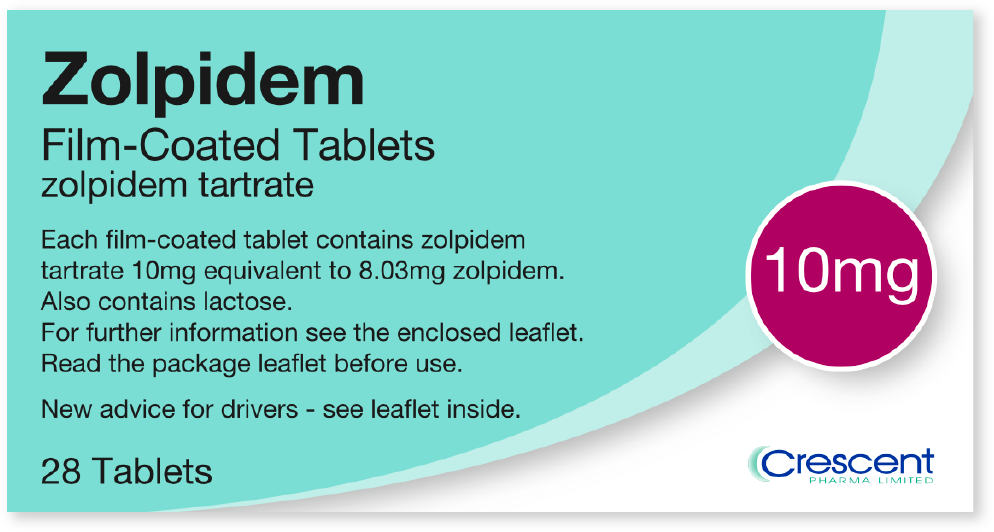
For individuals who have insomnia, purchasing zolpidem online in the UK may appear convenient. Ordering medicines from home can be helpful, but safety should not be compromised. Legitimate UK online pharmacies will not supply zolpidem without an appropriate prescription and clinical assessment to confirm suitability and dosing.
The problem is that not all websites selling “zolpidem UK for sale” operate legally. Unregulated vendors may claim to supply zolpidem without a prescription at reduced prices, but the risks are substantial. Counterfeit tablets may contain the wrong dose, harmful fillers, or no active medicine. In some cases, counterfeit sedatives have been associated with serious harm. Choosing an unverified source can expose patients to risks that exceed those posed by insomnia itself.
When patients use a regulated pharmacy, the process is safer and more transparent. After an online consultation and assessment, some services may offer delivery options, including expedited delivery. Reputable providers also provide dosing instructions, side-effect information, and customer support. This accountability is what differentiates licensed services from unlicensed sellers.
It is also important to remember that zolpidem is generally used as a short-course treatment. Responsible suppliers emphasise this and provide appropriate packaging with correct labelling. Purchasing zolpidem through regulated UK pharmacies supports safer access and provides reassurance about product quality.
In conclusion, zolpidem available for sale online should only be considered when the source is verified, prescription-based, and UK-licensed. This helps patients access treatment without compromising safety.
Zolpidem pricing depends on several factors. These include pack size, dose, and whether it is purchased from a local pharmacy or an online provider. Typically, zolpidem 5 mg costs less than zolpidem 10 mg, and availability may differ across suppliers.
Common factors influencing price include:
While cost matters, safety comes first. Patients should only purchase zolpidem in the UK from authorised pharmacies. Confirming that tablets are authentic, appropriately packaged, and supplied under proper clinical oversight outweighs small price differences and supports safer treatment.
Widely prescribed throughout the UK, zolpidem 5 mg and 10 mg, and associated patient experiences, often highlight both effectiveness and the importance of careful use. For many, zolpidem was the first medicine that enabled sleep after months of sleep disturbance. Other experiences emphasise that dependence risk and next-day impairment should be mitigated through medical guidance and short-term use.
More frequently shared experiences included:
Not all experiences are positive. Some users describe next-day grogginess, especially if they did not allow a full night’s sleep. Others report difficulty discontinuing zolpidem after prolonged use, reinforcing the importance of using it only for the recommended duration and under clinical supervision.
Insomnia can turn the hours of night into a struggle and the hours of day into fatigue and reduced function. It can affect health, mood, and performance. Zolpidem is a clinically established short-term treatment option for insomnia, acting through the GABA-A receptor system to support sleep onset and, in some people, improved sleep continuity. Compared with over-the-counter sleep aids, its effect is typically more predictable when prescribed and taken correctly.
However, zolpidem is not a casual supplement and must be used carefully. It should be prescribed appropriately, used for short durations, and not combined with alcohol or other sedatives unless specifically advised by a clinician. When misused, taken for prolonged periods, or obtained from unregulated sources, a medicine intended for insomnia can become harmful.
For UK patients, convenience and safety should go hand in hand. Obtaining zolpidem through a trusted, regulated pharmacy ensures appropriate clinical assessment, proper labelling, and clear instructions. Reputable providers may also offer delivery options to support timely access when appropriate. Using regulated sources supports authenticity and a safer supply.
Ultimately, better sleep supports better days. With appropriate prescribing, correct timing, and informed precautions, zolpidem tartrate can support restorative sleep and improved daytime functioning for people struggling with insomnia.
All information provided here is for educational purposes and is supported by trusted health authorities, clinical guidance, and peer-reviewed research. This page should not replace professional medical advice. Always consult a qualified healthcare professional before starting or stopping any medicine.
Authoritative Sources:
These references provide a credible basis for the safe and informed use of zolpidem tartrate in the treatment of insomnia and related sleep disturbances. Patients are encouraged to use only licensed UK pharmacies to ensure the authenticity and safety of their medicines.
While zolpidem is for insomnia, it may help sleep problems linked to anxiety. However, it is not a replacement for anxiety treatment and should be used under medical guidance, especially due to interaction risks with other sedatives.
Zolpidem tablets are fast-acting, usually helping patients fall asleep within 20 to 30 minutes. They are most effective when taken immediately before bedtime, allowing the brain to relax and enter a natural sleep cycle.
Long-term or unsupervised use of zolpidem tartrate can lead to dependence. Following the prescribed dosage and duration reduces this risk, but dependence can still occur, especially with prolonged use.
Zolpidem is generally prescribed for short-term use, usually up to four weeks, including review. Longer use may be considered only under strict medical supervision to reduce the risk of tolerance, dependence, and rebound insomnia.
Excessive doses can lead to severe drowsiness, confusion, dizziness, or impaired breathing. If overdose is suspected, seek urgent medical attention. Always follow the dosage instructions provided with zolpidem tablets.
Combining zolpidem with other sedatives, sedating antihistamines, or alcohol can dangerously increase sedation and accident risk. Patients should generally use only one sedative sleep medicine at a time unless specifically advised by a clinician.
Some patients may experience next-day drowsiness, especially if they do not get a full night's sleep or if higher doses are used. Proper timing and dose adjustment under medical guidance can reduce this risk.
Zolpidem is sometimes prescribed for temporary sleep disruption related to travel or time-zone changes. Any use should remain short-term and clinically guided.
Older adults may be more sensitive to zolpidem tartrate and have an increased risk of falls, confusion, and next-day impairment. Clinicians often recommend lower doses and closer monitoring.
If a dose is missed, skip it unless you are ready to sleep. Taking it at the wrong time can cause daytime drowsiness. Never take double doses without medical advice.
Copyright © 2026 PharmNexa.com. All rights reserved worldwide.