• Prescriptions issued by licensed UK Doctors

  • Safe and convenient service

General Health

Weight Loss

Weight loss isn't so much about sweating more and eating less. It's about discovering how your body is going to react to energy, hunger, and habits. A vast majority of people jump into a fad diet or crazy exercise routine, but the reality is, maintaining fat loss requires a issue of slow, intelligent decisions, not punishment.

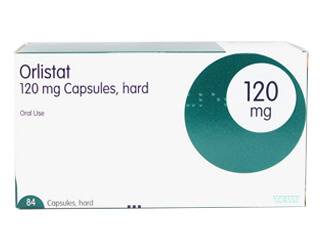
Orlistat

Orlistat

  • Helps with weight loss by blocking fat absorption from food
  • Supports long-term weight management with a balanced diet
  • Take with or up to one hour after a fat-containing meal

From

£22.99

More Information

The simplest way to say it is that you lose weight when you expend more calories than you consume. That's a calorie deficit. But here's what everyone gets wrong: your metabolism's not a single-digit score; it fluctuates with activity, muscle mass, hormonal panels, and even sleep quality.

You may be consuming a "healthy" diet and yet gain weight if your portions are in error, or be plateauing despite exercising every day if stress and inadequate sleep are sabotaging your hormones. So, while calories are important, context is just as important.

What this implies is that your body isn't an equation; it's a living system that changes. The secret is to work with, not against, it.

Eliminate the gimmicks. Weight loss is nutrition. This is what really works:

Consume Sufficient Protein

Protein will keep you from losing muscle while you lose fat. It keeps you full longer, and it has the highest thermic effect (your body expends more calories to digest it). Eggs, fish, chicken, tofu, and legumes must be consumed in every meal.

Highlight Whole Foods

Limit ultra-processed foods, fizzy drinks, and fried foods. Opt for nutrient-dense foods such as fruits, vegetables, whole grains, and healthy fats. Whole food keeps you full and regulates energy.

Monitor Liquid Calories

Coffee creamers, sodas, juices, and alcohol add hundreds of calories that go unnoticed. Replacing these drinks with water, black coffee, or herbal tea can save you a lot in the long run.

Don't Fear Carbs or Fats

Carbs energize, and fat sustains hormones. It's not about avoiding them; it's about choosing quality and balance. Choose whole carbs such as oats or sweet potatoes and olive oil, nuts, or avocado fats.

Create Portion Awareness

You do not have to weigh your bites, but familiarize yourself with visual cues. Vegetables should take up half of your plate, lean protein a quarter, and whole grains or starchy carbs a quarter.

Exercise aids in losing weight, but not directly through burning food calories. It conditions your metabolism, helps maintain muscle mass, and improves mood. All of which are essential to sustaining it.

Strength training is particularly vital. Muscle is a metabolically active tissue and continues to burn calories even when you're resting. Pair it with cardio activities such as brisk walking, swimming, or cycling for overall cardiovascular health.

You don't have to die on HIIT daily. Daytime activities such as walking, stretching, and standing will suffice. Utilize exercise as a method of augmenting fat loss, not punishment for food.

This is the true test: it's not losing the weight; it's maintaining it. That has less to do with willpower and more to do with habits.

Sleep: Less than seven hours a night raises ghrelin (hunger hormone) and lowers leptin (fullness hormone). That's a two-strike combination.

Stress: Chronic stress raises cortisol, which stimulates fat storage around the waist.

Consistency: Missing a workout or having a piece of cake won't sabotage your progress. But quitting over guilt will.

Mindful Eating: Eat slowly. Most people overeat simply because they eat too fast to notice fullness signals.

Metabolism is often blamed for weight struggles, but the reality is more nuanced. Yes, it slows slightly with age and reduced muscle mass, but it doesn't just 'break.' What affects it most are behaviours over time.

Chronic dieting, for example, teaches your body to conserve energy. Muscle loss lowers your resting calorie burn. Skipping meals can backfire by leading to overeating later.

Hormones such as insulin, cortisol, and thyroid hormones are also involved. Suppose diet and exercise have been consistent, and no progress is observed. In that case, it's a good idea to consult with a physician to exclude imbalances or health conditions like hypothyroidism or PCOS.

Weight loss is no secret; it's a habit of balance, patience, and science. There is no single diet and exercise regimen for everyone. The best you can stick with in six months is the best for you.

Please keep it simple: eat predominantly real food, move regularly, sleep well, deal with stress, and wait patiently. You will be amazed at how well that combination works once you give up looking for shortcuts.

Because the truth is, sustainable weight loss isn't about restriction. It's about building a healthier relationship with food, your body, and yourself.

Our convenient, discreet & safe private prescription service

Step 1
1

Select the medication that you need

Choose from our wide range of treatments and get started today—no need to visit a pharmacy or GP.

Step 2
2

Complete an expert online consultation

Your expert online consultation with one of our registered prescribers is a vital part of our process – ensuring you get the treatment that you need confidentially and conveniently.

Step 3
3

Discreet delivery to your home

One of our regulated partner pharmacies will dispense and ship your treatment directly to you in discreet packaging.