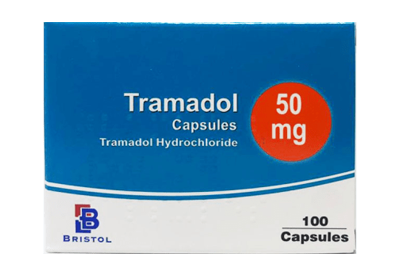
Images for illustrative purposes only
This information is for educational purposes only; please consult a doctor before starting any treatment.
Tramadol is a prescription medication commonly used to treat moderate to moderately severe pain. Clinical studies show it works by affecting pain signals in the brain and nervous system. Tramadol is the active ingredient used in several branded and generic pain relief medicines.
To ensure safe use, you need to answer a few brief health questions before checkout.
Chronic pain, pain related to injury or sudden muscle strains, is not only disturbing and painful, but it can also often become debilitating and interfere with leading a normal life. Sometimes rest, compression, and an ice pack can help minimise pain sensation, but if the pain persists, analgesic medicines such as Tramadol may be prescribed when other non-opioid treatments are insufficient. Apart from chronic pain management, Tramadol is used for treating moderate to severe pain, including injury-related pain and postoperative pain when clinically appropriate.
Tramadol belongs to the opioid analgesic class of drugs. It works as a centrally acting analgesic by binding to μ-opioid receptors and by inhibiting the reuptake of serotonin and norepinephrine, thereby altering the perception and transmission of pain signals within the central nervous system. The medicine is available in various forms and strengths to meet different clinical needs. Some popular forms include immediate-release and prolonged-release tablets or capsules, as well as oral drops or solutions.
Tramadol is a strong painkiller that requires a valid prescription to obtain or use the medicine. In the UK, Tramadol is classified as a Schedule 3 Controlled Drug under the Misuse of Drugs Regulations 2001 and is also a Prescription Only Medicine. It has been reported in some contexts for off-label uses such as premature ejaculation; however, such use is not licensed and should only occur under specialist supervision. Tramadol is known by brand names such as Ultram. While many people in the UK find it effective for pain management, like most other opioid analgesics, it can cause serious as well as mild side effects.
Common side effects of Tramadol may include dizziness, headache, nausea, constipation, and drowsiness. In contrast, more serious adverse effects requiring urgent medical attention may include seizures, serotonin syndrome, severe allergic skin reactions, respiratory depression, adrenal insufficiency, hypotension, hyponatraemia, and central nervous system depression.
Therefore, if you are struggling with pain and looking for effective pain relief, Tramadol may be prescribed when clinically indicated. However, knowing about side effects, interactions, precautions, and the risk of dependence is essential. Long-term use of Tramadol can lead to tolerance, dependence, and withdrawal-related problems. Responsible use under medical supervision is essential to ensure safe and appropriate use.
Tramadol is an opioid analgesic. It is a centrally acting μ-opioid receptor agonist with a dual mechanism of action. It produces analgesic effects by binding to μ-opioid receptors, particularly via its active metabolite, O-desmethyltramadol (M1). This reduces the transmission of pain signals in the central nervous system.
Secondly, Tramadol inhibits the reuptake of serotonin and norepinephrine in the CNS. The (+) enantiomer preferentially inhibits serotonin reuptake, and the (−) enantiomer preferentially inhibits norepinephrine reuptake. This contributes to modulating descending inhibitory pain pathways and alters how pain is experienced.
Tramadol may also influence other receptor systems, although these effects are less clinically significant than its opioid and monoaminergic mechanisms.
Tramadol is sometimes described as a weaker opioid compared with morphine; however, it still carries a significant risk of dependence, misuse, addiction, and respiratory depression. It must not be taken casually or for longer than prescribed. The elimination half-life of tramadol is approximately 5-6 hours, and its M1 metabolite has a half-life of 7-9 hours, though this can vary depending on liver function and genetic CYP2D6 metabolism.
Tramadol is a controlled drug in the UK. It is available in various forms and strengths designed to meet different clinical needs in pain management. Common strengths include 50 mg capsules or tablets. Prolonged-release formulations are also available in varying strengths depending on the product licence.
Available forms may include:
Not all strengths are appropriate for all patients, and availability may vary depending on brand and manufacturer.
The most common dosage form of Tramadol is the 50 mg capsule or tablet. A healthcare provider assesses the condition and determines the appropriate dosage.
Tramadol may be used for short-term treatment of pain. Longer-term use may be considered in selected patients under careful supervision but carries increased risks of dependence and withdrawal.
Certain groups, such as patients with renal or hepatic impairment, require dose adjustment. In severe hepatic impairment, Tramadol should generally be avoided. Breastfeeding and pregnant women should avoid Tramadol unless specifically advised by a specialist, as it can cause neonatal respiratory depression and withdrawal.
Tramadol is indicated for the management of moderate to severe pain. It may be used for chronic pain, post-surgical pain, injury-related pain, and certain types of neuropathic pain when appropriate. Consultation with a healthcare provider is essential before use.
Tramadol’s dual mechanism contributes to its analgesic properties. However, effectiveness varies between individuals, and risks must be carefully balanced against benefits.
Availability in immediate-release and prolonged-release forms allows clinicians to tailor therapy to patient needs.
Immediate-release forms generally begin working within approximately 1 hour. Prolonged-release forms are designed for sustained pain control and do not provide a rapid onset.
By reducing pain, Tramadol may help improve daily functioning. However, opioid treatment should be regularly reviewed.
Tramadol must be used with caution.
Common side effects include:
More serious side effects include:
Tramadol increases seizure risk, particularly at high doses or when combined with antidepressants, antipsychotics, or alcohol.
It interacts significantly with benzodiazepines, other opioids, antidepressants, CYP2D6 inhibitors, CYP3A4 inhibitors, and alcohol.
Driving while impaired by Tramadol is illegal under UK drug-driving legislation.
Important interactions include:
Patients with liver, kidney, respiratory disease, or seizure disorders require caution.
Tyramine-rich foods are not clinically significant with tramadol and do not require specific restriction.
Tramadol is a Schedule 3 Controlled Drug and a Prescription Only Medicine in the UK. It can only be legally supplied with a valid prescription issued by a registered prescriber.
Online pharmacies must be registered with the General Pharmaceutical Council. Purchasing from unregulated websites carries serious legal and safety risks, including the risk of counterfeit medication.
Tramadol is available in different forms and strengths. It cannot be purchased legally without a prescription in the UK. Buying in bulk without a valid prescription may constitute a legal offence.
Patient experiences vary. Some report effective pain relief. Others experience side effects such as dizziness or nausea. Serious adverse effects may occur, especially if combined with alcohol or other sedatives.
Premature ejaculation use is off-label and requires specialist oversight.
Tramadol is an effective opioid analgesic for moderate to severe pain when prescribed appropriately. However, it carries risks including dependence, respiratory depression, seizures, and serious interactions.
It is a Schedule 3 Controlled Drug and must be prescribed and monitored carefully. Consultation with a healthcare professional is essential before use.
Responsible prescribing and patient education are essential to reduce risk.
At PharmNexa, Tramadol may only be supplied following a valid prescription in accordance with UK law.
Tramadol is a powerful and effective pain relief medications that require proper medical assessment and prescription to ensure safe and effective administration. Here are some key authoritative sources that support the details we shared in this article.
Drugs.com - Tramadol: Uses, Side Effects, Dosage, Warnings: https://www.drugs.com/tramadol.html100
Mayo Clinic - Tramadol (oral route) - Side effects & dosage: https://www.mayoclinic.org/drugs-supplements/tramadol-oral-route/description/drg-20068050
1mg - Tramadol: View Uses, Side Effects and Medicines: https://www.1mg.com/generics/tramadol-210845?srsltid=AfmBOoonUGt_89XqtExrz0R_kqmDKZApRQ4hMYcdhXo3KLq8NoJxJgEX
StatPearls - NCBI Bookshelf - Tramadol: https://www.ncbi.nlm.nih.gov/books/NBK537060/
MedlinePlus Drug Information - Tramadol: https://medlineplus.gov/druginfo/meds/a695011.html
DrugBank Online - Tramadol: Uses, Interactions, Mechanism of Action: https://go.drugbank.com/drugs/DB00193
Medscape - Ultram, ConZip (tramadol) dosing, indications, interactions, adverse effects, and more: https://reference.medscape.com/drug/ultram-conzip-tramadol-343324
EMC - Tramadol 50 mg capsules - Summary of Product Characteristics (SmPC): https://www.medicines.org.uk/emc/product/7123/smpc
Healthdirect -Tramadol: https://www.healthdirect.gov.au/amp/article/tramadol
Cleveland - Tramadol: Uses & Side Effects: https://my.clevelandclinic.org/health/drugs/19013-tramadol-tablets
Above, we discussed some essential authoritative sources we used to create a data-driven Tramadol usage guide. This helps to ensure the reliability and trustworthiness of the information we have shared here. However, it is strongly advised to refrain from self-prescribing or taking the medicine without consulting a healthcare provider.
Tramadol uses include short-term management of various pain symptoms such as injury-related pain, chronic pain, neuropathic pain, and post-surgical pain. But Tramadol is a controlled drug and should be used under the supervision of a healthcare practitioner.
Tramadol is a μ-opioid modulator that modulates pain signals in the Central Nervous System by binding with the μ-opioid receptor and inhibiting serotonin reuptake. The medicine has effective analgesic properties that affect how your brain perceives pain.
Tramadol is available in various forms, including oral solutions, immediate-release tablets, and extended-release capsules. Different forms of Tramadol have different onset times. Generally, Tramadol oral tablets start working within 1 hour of ingestion, and its extended-release forms may take 1-2 days to show effects.
Yes, Tramadol can interact with alcohol and cause serious side effects. One must not consume alcohol while taking Tramadol. Ask your doctor for more information about Tramadol interactions, and avoid foods and medicines that may interact with it.
Tramadol is a weak opioid and hence considered to have lower risks for dependency. But one should not use the medicine for a long time or overdose on it. Long-term use can cause dependency and withdrawal symptoms. Take the medicine as instructed by your doctor.
Missing a dosage of any medication is not uncommon. So, if you miss a dosage of a Tramadol 50mg tablet or a 100mg tablet, you can take the medicine as soon as you remember about it. However, do not take a double dose; take your next dose only when it is time.
Tramadol is well-tolerated and usually does not cause side effects. But you may experience minor side effects when you first start using the medicine. It happens when your body adjusts to the medicine's effects. Some common side effects of Tramadol are drowsiness, nausea, vomiting, dry mouth, and so on. These side effects go away on their own. But if they persist, you should contact a doctor.
Tramadol should not be used casually. It is a prescription-only drug. One must consult a healthcare provider to determine whether they are eligible to use Tramadol. Alcohol should be avoided while taking this medication. Take the prescribed dosage and do not increase or decrease your dosage without consulting your doctor.
Yes, Tramadol is a prescription-only drug in the UK. You can use the medicine if you have a prescription from a certified healthcare professional. This measurement helps to reduce misuse of Tramadol, as it can be life-threatening.
You should not suddenly stop using Tramadol as it can cause withdrawal symptoms. Your healthcare provider can offer you a taper plan to quit the medicine. This means you reduce your Tramadol dosage before stopping the medicine to avoid side effects.
Copyright © 2026 PharmNexa.com. All rights reserved worldwide.