• Prescriptions issued by licensed UK Doctors

  • Safe and convenient service

Lorazepam

Images for illustrative purposes only

This information is for educational purposes only; please consult a doctor before starting any treatment.

Lorazepam

Lorazepam is a prescription medication commonly used to treat anxiety disorders and short-term insomnia related to stress. Clinical guidance shows it works by enhancing calming signals in the brain and nervous system, helping reduce anxiety symptoms when used under medical supervision.

  • Used to treat anxiety and sleep-related disorders
  • Provides a calming and relaxing effect
  • Starts working within 30–60 minutes
  • Quality-tested and approved medication
  • Delivered through certified pharmacies
  • *Brands may vary*
Order within
  • 20h
  • 52m
  • 12s
  • to receive your order Saturday 25th October
    In Stock
    Best Seller
    Medication shipped to your door
    Quick & Easy
    Treatment for
    Situational Anxiety
    Strength:
    Package Size:
    £49.99

    To ensure safe use, you need to answer a few brief health questions before checkout.

    More Information

    Dealing with anxiety or anxiety-associated sleeplessness (insomnia), panic disorder, and seizures is not easy. Leaving anxiety untreated for a long time can also contribute to other physical and mental health problems. In such situations, benzodiazepine medicines like Lorazepam may be prescribed to manage anxiety symptoms and certain associated conditions.

    Lorazepam, also known by its brand name Ativan, is a commonly prescribed medicine for anxiety disorders, anxiety-associated insomnia, anxiety-related panic symptoms, and related presentations. The medicine also has a wide range of clinical uses beyond anxiety in specialist settings, including the treatment of seizures (including status epilepticus), acute agitation, pre-procedural sedation, chemotherapy-associated anticipatory nausea and vomiting, alcohol withdrawal (including delirium tremens), delirium with severe agitation, and some forms of catatonia. Therefore, although Lorazepam is primarily used to treat anxiety and anxiety-related problems, it may be used in a range of physical, mental, and neurological conditions when clinically appropriate.

    Lorazepam belongs to the benzodiazepine class of medicines and is generally intended for short-term use. It is often beneficial to consider non-benzodiazepine and non-pharmacological options for anxiety, including psychological therapies and lifestyle measures. However, as a benzodiazepine, Lorazepam carries risks of side effects, tolerance, dependence, and withdrawal. It is a controlled, prescription-only medicine and should be used for short-term use under medical supervision after a thorough consultation. Common side effects include drowsiness, dizziness, headache, confusion, and nausea. Rare but serious side effects may include severe central nervous system depression, respiratory depression (especially when combined with opioids or alcohol), allergic reactions, and mood changes, including suicidal thoughts.

    It is recommended to consult a doctor before starting Lorazepam or adjusting your Lorazepam for anxiety disorder and related conditions. Monitor for side effects and seek professional help if needed. Lorazepam can be an effective treatment option for anxiety and certain related conditions, but safe and effective use depends on responsible prescribing and adherence to medical advice.

    Lorazepam is a benzodiazepine that produces a calming effect on the brain by enhancing the effects of GABA (gamma-aminobutyric acid). It binds to benzodiazepine sites on the GABA-A receptor complex in the central nervous system, increasing inhibitory neurotransmission. This leads to increased chloride ion influx into neurons, neuronal hyperpolarisation, and reduced excitability.

    Lorazepam is absorbed effectively, which supports a relatively rapid onset of action. This allows faster and more effective management of anxiety symptoms in appropriate patients. As a central nervous system depressant, the medicine reduces excessive neuronal activity, helping to calm the mind and manage anxiety disorders and related conditions.

    Lorazepam is generally considered an intermediate-acting benzodiazepine. Its elimination half-life in adults is typically around 10–20 hours, and complete elimination usually takes several days after the final dose, depending on individual factors such as age, liver function, dosing pattern, and duration of use. Like other benzodiazepines, Lorazepam can be habit-forming, particularly with prolonged use or higher doses, and it should not be stopped suddenly after regular use.

    Lorazepam is available in different strengths and forms. Your doctor may recommend a dosage that suits your needs. You should use only the specific form and strength your doctor has prescribed. Available forms and strengths include:

    Lorazepam oral tablet – 0.5 mg, 1 mg, and 2 mg

    Lorazepam extended-release capsule (where available) – 1 mg, 1.5 mg, 2 mg, and 3 mg

    Lorazepam injectable solution – 2 mg/mL and 4 mg/mL

    Lorazepam oral concentrate – 2 mg/mL

    Although there are multiple forms and strengths, oral tablets are most commonly used.

    • Lorazepam is used for short-term treatment of anxiety symptoms, insomnia caused by anxiety, and seizures in specific clinical settings.
    • The medicine may be used for sedation before certain procedures in adults under medical supervision.
    • Lorazepam oral concentrate dosage for anxiety in adults is individualised; dosing is measured in mg, not mL, and should be prescribed and monitored by a clinician. Older adults should begin with lower doses.
    • The oral tablet dosage of Lorazepam for anxiety in adults is typically given in divided doses, with lower starting doses in older adults.
    • The Lorazepam oral tablet dosage for insomnia in adults is usually taken once before bedtime, at the lowest effective dose for the shortest duration.
    • Lorazepam extended-release preparations (where available) are generally taken once daily as prescribed.
    • Older adults and patients with liver or kidney problems may require a dose reduction and close monitoring. In children, Lorazepam may be used in specialist settings (for example, seizures), but a specialist must prescribe dosing.

    Lorazepam tablets and other forms are primarily used for managing symptoms of anxiety disorder and related problems. It affects GABA-A receptor activity, producing a calming effect. Lorazepam is a commonly used option in the UK for short-term treatment of anxiety and anxiety-related sleep problems. Key benefits may include:

    Fast-acting and extended-release options

    Lorazepam comes in various forms and strengths. Some forms have a faster onset, with effects often starting within 20–60 minutes after oral administration. Extended-release formulations (where available) are designed for sustained effects and may take longer to reach full effect. Patients should use the form most suitable for their condition as prescribed.

    Effective medicine

    Lorazepam 2 mg and other strengths can be effective for treating symptoms related to anxiety and anxiety-associated insomnia when prescribed appropriately. It enhances GABA activity, reducing excessive neuronal activity and promoting calm.

    Improved confidence and productivity

    Anxiety can reduce confidence and affect productivity. When symptoms are effectively managed, some patients report improved daily functioning. Because Lorazepam can cause sedation and memory effects, the goal is symptom relief without impairing safe functioning.

    Treatment of several conditions

    Although primarily used for short-term treatment of anxiety, Lorazepam is also used in clinical settings for seizures, severe agitation, and sedation before procedures.

    Lower chance of serious side effects with short-term, supervised use

    Lorazepam is often well tolerated when used short-term at the lowest effective dose. However, misuse, prolonged use, or combining it with other sedatives increases the risk of serious harm, including dependence and respiratory depression.

    Lorazepam is a controlled medicine used for short-term treatment of anxiety and anxiety-related insomnia. It can be effective, but it can also cause side effects, which is why it must be used with caution.

    Some common side effects may occur while the body adjusts:

    Drowsiness

    Dizziness

    Ataxia

    Confusion

    Fatigue

    Amnesia

    Irritability

    Changes in libido

    Hypotension

    Respiratory depression is uncommon at prescribed doses but becomes a significant risk when Lorazepam is combined with alcohol, opioids, or other sedatives.

    Lorazepam may also cause less common or serious side effects, particularly with misuse, prolonged use, or abrupt discontinuation:

    Dependence

    Withdrawal symptoms (including anxiety, tremor, insomnia, and in severe cases seizures)

    Depression or mood changes

    Hallucinations

    Allergic reactions or rashes

    Headaches

    Marked sedation or impaired coordination

    Lorazepam should be used safely and may not be suitable for certain groups. People who should avoid Lorazepam or require careful specialist assessment include:

    Pregnant or breastfeeding women, unless specifically advised by a clinician

    People with severe respiratory disease (risk of breathing suppression)

    People with liver impairment (dose reduction may be required)

    Older adults (higher risk of falls, confusion, and cognitive effects)

    People with a history of substance misuse

    Lorazepam causes sedation, so driving or operating machinery after taking the medicine may be unsafe. Always follow the prescribed dose and duration, avoid alcohol, and do not stop the medicine suddenly without medical advice.

    Drug-Drug Interactions

    Lorazepam can interact with a wide range of medicines. Some interactions may cause mild sedation or dizziness, while others can be dangerous. Knowing important Lorazepam interactions helps reduce risk.

    Barbiturates – Combining with barbiturates (including phenobarbital) can cause profound sedation, respiratory depression, coma, or death.

    Opioids – Combining Lorazepam with opioids increases the risk of extreme sedation, impaired coordination, respiratory depression, and death.

    Antipsychotics – Some antipsychotics (for example, risperidone, haloperidol, olanzapine) may increase sedation and impair coordination.

    Antidepressants – Some antidepressants can add to sedation and psychomotor impairment when combined with Lorazepam.

    Antihistamines – Sedating antihistamines can increase drowsiness, confusion, and risk of falls.

    Valproic acid – Can increase Lorazepam levels and sedation; dose adjustment may be required.

    Muscle relaxants – Medicines such as baclofen and similar agents may increase sedation and impair coordination. Combining benzodiazepines with other sedatives increases risk.

    Because Lorazepam is prone to clinically significant interactions, patients should tell their healthcare provider about all medicines, supplements, and substances they use. Licensed pharmacies and proper prescribing reduce the risk of counterfeit products and misuse.

    Drug-Food Interactions

    Ativan (Lorazepam) can be used for anxiety and anxiety-related sleeplessness and is also used in some settings for seizures and severe agitation. It can also interact with substances and foods.

    Alcohol – Lorazepam and alcohol both depress the central nervous system. Combined use can cause dangerous sedation, impaired coordination, shallow breathing, respiratory depression, and overdose.

    Caffeine – Caffeine is a stimulant and may reduce the calming effect, potentially worsening anxiety or sleep problems.

    Grapefruit – Lorazepam is not primarily metabolised via CYP3A4, so grapefruit is less likely to cause a significant interaction compared with some other benzodiazepines, but caution is still reasonable.

    Heavy or fatty meals – May delay absorption and onset in some people.

    To minimise interaction risk, avoid alcohol completely during Lorazepam use and avoid combining Lorazepam with other sedatives unless prescribed.

    Drug-Drug Interactions Checker List

    Lorazepam can interact with many medicines, so that a brief checklist can help patients and clinicians:

    Barbiturates – such as phenobarbital

    Opioids – morphine, codeine, methadone, and others

    Antipsychotics – such as risperidone, haloperidol, olanzapine

    Antidepressants – including amitriptyline, fluoxetine, sertraline, and others

    Antihistamines – especially sedating antihistamines

    Muscle relaxants – such as baclofen and similar agents

    This checklist is not exhaustive. Healthcare providers should assess medical history, current medicines, and substance use before prescribing Lorazepam. Patients should not self-prescribe. Lorazepam is intended for short-term use, and long-term use increases the risk of dependence.
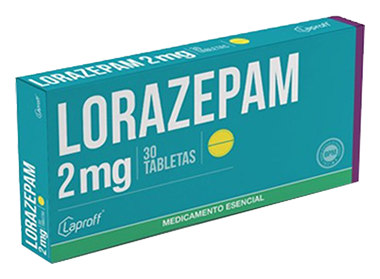
    If you are struggling with anxiety and anxiety-related sleeplessness or other conditions, you may be offered Lorazepam as a fast-acting option for short-term symptom relief. It is widely prescribed in the UK, and many patients use online pharmacy services for convenience.

    Buying Lorazepam online from a trusted, reputable pharmacy helps you access genuine medicine and appropriate safety checks. When ordering, review the pharmacy’s reputation, prescription requirements, and patient support.

    However, unlicensed sellers may offer suspicious discounts or supply counterfeit products with unknown ingredients or incorrect dosages, which can cause serious harm. For this reason, it is strongly advised to avoid buying Lorazepam from unregulated sources. A reliable service will require a valid prescription and appropriate checks to reduce misuse and overdose risk.

    Pricing and availability of Ativan (Lorazepam) vary depending on multiple factors:

    Different forms and strengths

    Different forms and strengths have different costs. Oral tablets are typically less expensive than some specialist formulations.

    Bulk purchase vs small pack

    The cost per dose may be lower with larger packs, but the purchase should always match the clinical need and the prescription quantity.

    Comparison of offline vs online pharmacies

    Online pharmacies may offer a wider range of strengths and delivery options, while local pharmacies may have limited stock.

    Additional services

    Some online services include prescription checks and clinical support, which may affect pricing.

    Quality and authenticity should be prioritised over price. Lorazepam should only be obtained through regulated, trusted suppliers.

    Many people with anxiety disorders and related issues use Lorazepam for short-term relief. Lorazepam can provide quick symptom improvement for some patients, and people report experiences such as reduced anxiety and improved sleep.

    Some people report dizziness, confusion, and drowsiness, especially when sleep is inadequate or when Lorazepam is combined with other sedatives. Others describe more serious effects, such as breathing difficulty, vomiting, blackouts, or severe confusion, when alcohol is consumed alongside Lorazepam, which can represent an overdose risk.

    Lorazepam is a prescription-only controlled medicine that requires medical assessment and a valid prescription. It should not be used without a healthcare provider’s guidance. It is intended for short-term use, and longer use increases the risks of dependence and withdrawal.

    Let’s learn about real Lorazepam stories from real people:

    Lorazepam is a benzodiazepine medicine used for short-term treatment of anxiety and anxiety-related sleeplessness and, in certain clinical settings, for seizures, severe agitation, and sedation before procedures. While effective, Lorazepam can cause side effects and has interaction and dependence risks, particularly with prolonged use or when combined with alcohol, opioids, or other central nervous system depressants.

    Common side effects include confusion, dizziness, headache, and drowsiness. Serious side effects can include allergic reactions and respiratory depression, particularly when combined with other sedatives. Safe use depends on medical supervision, avoiding self-medication, using the lowest effective dose for the shortest duration, and avoiding alcohol.

    If you are considering Lorazepam, consult a healthcare professional and use only regulated UK pharmacy services that require a valid prescription. This supports authenticity, correct dosing, and appropriate safety checks.

    Still looking for a reliable place to obtain prescribed Lorazepam? Visit PharmaNexa to order Ativan online through appropriate prescription-based routes. Ensure that any provider is properly regulated and requires valid clinical oversight.

    Here are the authoritative links used to support this guide on Lorazepam uses, benefits, side effects, and interactions. This content is for educational purposes and does not replace professional medical advice. Lorazepam is a controlled substance with clinically significant interaction risks, so understanding safe use is essential.

    StatPearls - NCBI Bookshelf - Lorazepam:

    https://www.ncbi.nlm.nih.gov/books/NBK532890/#:~:text=Lorazepam%20is%20a%20benzodiazepine%20medication,and%20treatment%20of%20status%20epilepticus

    1mg - Lorazepam: View Uses, Side Effects and Medicines:

    https://www.1mg.com/generics/lorazepam-210181?srsltid=AfmBOoqkzy6Z-E2fKvL2_q5ZqL1l1ucRVTNvOa621-xpbWNTq7nWYlPq

    DrugBank Online - Lorazepam: Uses, Interactions, Mechanism of Action:

    https://go.drugbank.com/drugs/DB00186

    MedlinePlus Drug Information - Lorazepam:

    https://medlineplus.gov/druginfo/meds/a682053.html

    WebMD - Lorazepam (Ativan, Loreev XR): Uses, Side Effects, Interactions, Pictures, Warnings & Dosing:

    https://www.webmd.com/drugs/2/drug-8892-5244/lorazepam-oral/lorazepam-oral/details

    Mayo Clinic - Lorazepam (oral route) - Side effects & dosage:

    https://www.mayoclinic.org/drugs-supplements/lorazepam-oral-route/description/drg-20072296

    NHS - About lorazepam:

    https://www.nhs.uk/medicines/lorazepam/about-lorazepam/

    Cleveland - Lorazepam (Ativan): Treatment for Anxiety:

    https://my.clevelandclinic.org/health/drugs/20243-lorazepam-tablets

    healthdirect - Medicines for anxiety:

    https://www.healthdirect.gov.au/medicines-for-anxiety

    Mayo Clinic - Anxiety disorders - Diagnosis and treatment:

    https://www.mayoclinic.org/diseases-conditions/anxiety/diagnosis-treatment/drc-20350967

    Do remember that Lorazepam is intended for short-term use, and long-term use increases the risk of dependence and withdrawal. Consult a healthcare provider before initiating or adjusting doses.

    FAQ

    Common Ativan tablet uses include short-term management of anxiety disorders and anxiety-related insomnia. It is also used in clinical settings for seizures (including status epilepticus) and sedation before certain procedures.
    This can vary by formulation and individual factors. Some oral formulations may start working within 20–60 minutes, while others may take longer.
    Lorazepam can cause dependence, especially with prolonged use, higher doses, or regular daily use. Abrupt stopping can lead to withdrawal symptoms.
    Lorazepam is generally intended for short-term use. Long-term use increases the risk of tolerance and dependence and should only occur under specialist guidance.
    If you miss a dose, take it when you remember, unless it is near the time for the next dose. Do not take a double dose.
    Stopping suddenly can cause withdrawal symptoms, including rebound anxiety, insomnia, tremor, and in severe cases seizures. Tapering under medical supervision is recommended.
    Common side effects include dizziness, drowsiness, confusion, ataxia, and changes in libido. If symptoms persist or worsen, seek medical advice.
    Not everyone is eligible. Older adults, pregnant or breastfeeding women, children, people with liver impairment, severe respiratory disease, or a history of substance misuse may require avoidance or specialist assessment.
    No. Alcohol can dangerously increase sedation and breathing suppression and raise overdose risk.

    Medically Reviewed By:

    Dr Ömer ATLI

    Dr Ömer ATLI

    Emergency Physician | Medical Reviewer | Digital Health

    Dr Ömer Atlı is a GMC-registered physician and emergency medicine doctor currently working in Türkiye. He practices in high-acuity emergency department settings where rapid clinical decision-making and management of undifferentiated patients are essential.

    Know More