• Prescriptions issued by licensed UK Doctors

  • Safe and convenient service

Mens Health

Hair Loss

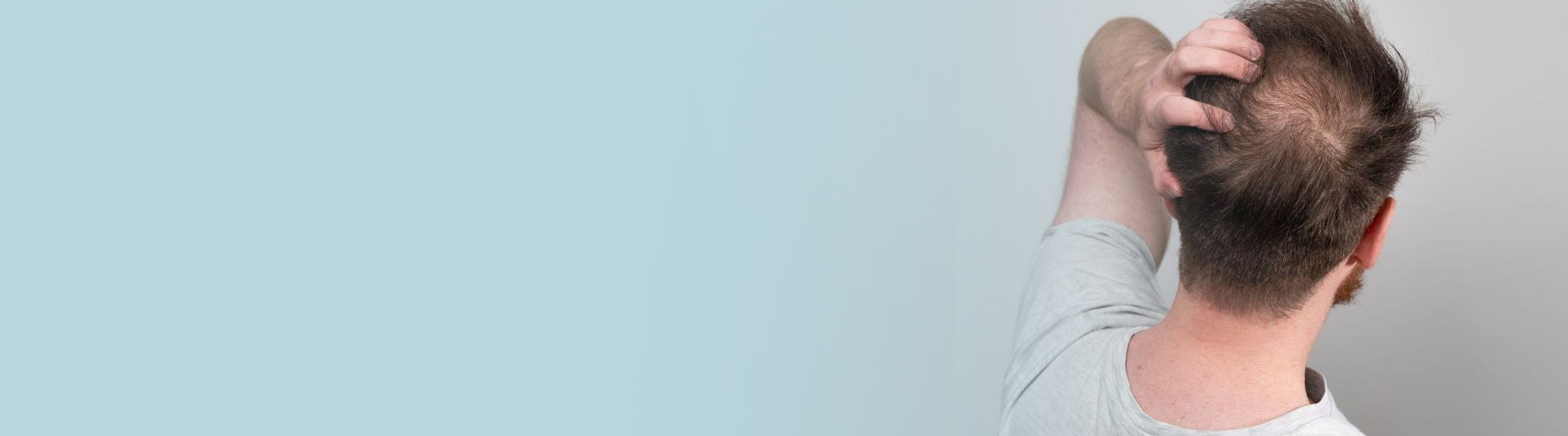
Everyone loses some hair every day, 50 to 100 strands, but this is considered perfectly normal. The number of hairs in the brush, the shower drain, or perhaps your pillow begins to be alarming. Hair loss occurs in both men and women, and although genetics does play a role, it is rarely the sole cause of hair loss. The thing is, hair loss is usually your body's way of telling you that something's amiss.

Dutasteride

Dutasteride

  • Used to treat enlarged prostate and male pattern hair loss
  • Reduces DHT levels to slow hair loss and improve prostate symptoms
  • Take once daily, with or without food, preferably at the same time each day

From

£19.90

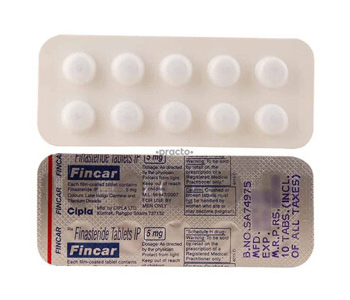
Finasteride

Finasteride

  • Commonly prescribed for treating male pattern hair loss
  • Works by reducing DHT levels to prevent further hair thinning
  • Take once daily, with or without food, at the same time each day

From

£13.50

Finasteride

Finasteride

  • Primarily used to treat benign prostatic hyperplasia (enlarged prostate)
  • Helps improve urinary flow and reduce prostate size
  • Take once daily, with or without food, at the same time each day

From

£19.90

More Information

Hair grows in cycles: growth (anagen), transition (catagen), and rest (telogen). At any time, about 85 to 90% of your hair is growing, while the rest is resting or shedding. Problems start when this balance shifts and more strands fall out than grow back.

That change can be initiated by stress, hormones, nutrient lack, medicines, or even hostile hair treatments. Once you realize what factor is causing your baldness, then you can actually take action against it.

Genetics
The most typical reason is androgenetic alopecia, genetic hair loss. It's also associated with hormones known as androgens, which reduce hair follicles in size over time, causing new hair to be thinner until it no longer grows. Men typically experience receding hairlines or bald areas, whereas women tend to have thinning along the crown.

Stress and Hormones
Stress isn't just bad for your mood; it actually alters your hair cycle. Sudden trauma like surgery, illness, or emotional stress can thrust high numbers of hair follicles into the shedding phase, a condition referred to as telogen effluvium. It typically occurs a few months following the stressful event, but reverses when your stress levels normalize.

Hormonal changes due to pregnancy, thyroid disease, or menopause also affect hair growth. When estrogen levels fall, as they do after giving birth or during menopause, hair falls out more quickly.

Nutrition and Deficiency
Hair consists mostly of keratin, a protein. Without sufficient protein, iron, zinc, vitamin D, or biotin, new hair growth becomes slow or weakened. Crash diets and low-calorie diets can deprive your body of these nutrients, leaving hair brittle and dull. Healthy meals with eggs, lentils, leafy greens, and nuts can show dramatic improvements.

Scalp and Hair Damage
Heat styling, tight styles, extreme dyes, and chemical processes all strip the hair shaft and follicle. Repeatedly, this can cause traction alopecia, hair loss due to repeated pulling or tension. If you consistently have your hair tightly pulled back, change to looser styles and allow your scalp to breathe.

Medical Conditions
Some medical conditions may result in hair loss directly or as a secondary effect of treatment. Thyroid disease, autoimmune disease such as alopecia areata, polycystic ovarian syndrome (PCOS), and certain medications (particularly blood pressure or depression medications) can all disrupt hair growth.
Nourish Your Hair From The Inside

Hair requires protein, iron, and vitamins like any other body part. Concentrate on foods that are rich in nutrients like eggs, fish, beans, spinach, and seeds. Omega-3 fatty acids in walnuts and salmon also provide nutrition for the scalp. Hydration is important too; scalp health relies on water balance.

Be Kind to Your Scalp

Consider your scalp as soil where the roots of your hair flourish. A clean, healthy scalp promotes healthy follicles. Shampoo with a mild soap that eliminates grime without stripping the hair of its natural oils.

Avoid Excessive Heat and Chemicals

Straighteners, curlers, bleach, and frequent colouring might look good in the short term, but damage hair fibres and roots over time. Limit heat styling, use protective serums, and let your hair air dry when possible.

Handle Wet Hair Gently

Wet hair is fragile. Instead of rough towel drying, gently pat with a soft towel or microfiber cloth. Use a wide-tooth comb to detangle from the ends upward.

When to Seek Professional Help

If your hair loss is sudden, patchy, or includes itching and inflammation, visit a dermatologist. They can screen for scalp infections, hormonal imbalances, or autoimmune disorders. Hair loss can sometimes be reversible once the underlying cause is addressed.

Dermatologists might recommend options such as minoxidil (topical), platelet-rich plasma (PRP) therapy, or oral medications in some instances. But remember, treatment is most effective when begun early.

Losing hair is a sign, and not only an aesthetic issue. It may be indicative of your general health, stress levels, or hormonal equilibrium. Knowing what causes it allows you to take wiser actions rather than pursuing quick fixes.

Eat well, take care of your scalp, be regular, and let your body reset. Good hair does not happen because of one product or pill; it's the product of harmony between what you eat for your body, how you treat your hair, and how you deal with stress. That is where true growth starts, literally and mentally.

Our convenient, discreet & safe private prescription service

Step 1
1

Select the medication that you need

Choose from our wide range of treatments and get started today—no need to visit a pharmacy or GP.

Step 2
2

Complete an expert online consultation

Your expert online consultation with one of our registered prescribers is a vital part of our process – ensuring you get the treatment that you need confidentially and conveniently.

Step 3
3

Discreet delivery to your home

One of our regulated partner pharmacies will dispense and ship your treatment directly to you in discreet packaging.