• Prescriptions issued by licensed UK Doctors

  • Safe and convenient service

Eszopiclone

Images for illustrative purposes only

This information is for educational purposes only; please consult a doctor before starting any treatment.

Eszopiclone

Eszopiclone is a prescription medication used for the treatment of insomnia. It contains eszopiclone as the active ingredient, which works by affecting calming signals in the brain to help individuals fall asleep faster and maintain sleep under medical supervision.

  • Prescription medication used to treat insomnia
  • Helps you fall asleep faster and stay asleep through the night
  • Starts working within 30–60 minutes
  • Quality-tested and approved medication
  • Delivered through certified pharmacies
  • *Brands may vary*
Order within
  • 20h
  • 52m
  • 12s
  • to receive your order Saturday 25th October
    In Stock
    Best Seller
    Medication shipped to your door
    Quick & Easy
    Treatment for
    Sleeping Tablets
    Strength:
    Package Size:
    £49.99

    To ensure safe use, you need to answer a few brief health questions before checkout.

    More Information

    Sleeplessness can easily move from an occasional annoyance to a chronic condition that drags down every aspect of life. Energy levels lag, focus breaks down, mood becomes volatile, and even long-term health suffers. That's where prescription drugs such as Eszopiclone come in. It is a much-tested medication that specifically targets chronic insomnia.

    Eszopiclone is recommended for individuals who have difficulty falling asleep (sleep onset), maintaining sleep (awakening throughout the night), or waking up earlier than they wish in the morning. By influencing soothing mechanisms in the brain, Eszopiclone restores a more natural and regular sleep cycle. It's also occasionally employed when sleeping disorders are caused by lifestyle circumstances like stress, travel, or convalescence following sickness.

    Eszopiclone is marketed as Eszopiclone tablets, typically consumed just before bedtime. It is generally more consistent in its effects than a drug available over the counter, particularly for chronic insomniacs. It is not just about avoiding morning-after fog. Poor sleep has been linked to compromised immune response, mood disorders, and increased risks for cardiovascular issues. Daily life is also harmed. Irritability with the family, poor performance on the job, or unsafe concentration lapses for those in crucial professions such as medical care or machine operation.

    To see how Eszopiclone operates, it's useful to examine what's occurring within the brain while asleep. Falling asleep and remaining asleep is controlled by a delicate balance of neurotransmitters, chemical messengers of the brain. A critical one is gamma-aminobutyric acid (GABA). GABA is a natural inhibiting signal that reduces nerve activity so that the body and mind can achieve the state of relaxation required for restful sleep.

    Eszopiclone strengthens the action of GABA by attaching to its receptor sites on brain cells. In other words, it enhances the brain's own "off switch." By strengthening GABA's calming effect, Eszopiclone lessens excessive nerve firing that keeps individuals awake. Consequently, patients will generally find themselves falling asleep more quickly and waking up fewer times during the night.

    In contrast to lighter sedatives, Eszopiclone lasts through the night, allowing for more consistent and deeper sleep. This results in fewer interruptions during the middle of the night and a greater opportunity to achieve restorative stages of sleep. Patients say their sleep is more consistent and refreshing than it would be without treatment.

    Apart from its general use in the treatment of insomnia, the relaxing effect of Eszopiclone sometimes prompts physicians to investigate its off-label treatment of anxiety. Although it is not the drug's main use, its efficacy at calming the nervous system can relax tension in particular short-term situations. These instances are usually closely followed by medical experts.

    Another important point is Eszopiclone's half-life. The time it takes for the drug's effect to wear off. On average, it lasts about six hours, which is long enough to sustain sleep through the night but short enough to limit lingering grogginess the next morning, provided the patient gets sufficient rest.

    This compromise between duration and intensity is the reason why dosing with caution is necessary. Not enough may not sufficiently alleviate insomnia, while too much risks increasing the likelihood of drowsiness the next day. Doctors balance these considerations when they prescribe Eszopiclone with a view to finding that optimum point at which the patient enjoys sound sleep without inheriting unwanted side effects during the day.

    The appropriate Eszopiclone dosage depends on factors like age, overall health, and the severity of a person's insomnia. Getting the dose right is essential as it ensures the medication works effectively while minimizing unwanted side effects.

    For most adults, the standard starting dose is Eszopiclone 2 mg, taken immediately before bedtime. Some individuals may respond well to a lower dose of 1 mg, especially if their sleep difficulties are milder. In cases of more persistent insomnia, the dose can be increased to 3 mg under medical supervision.

    Special care is taken with elderly patients or those with liver impairment. For these groups, doctors often prescribe the lower 1 mg dose to reduce the chance of next-day drowsiness or confusion. This careful adjustment helps balance sleep benefits with safety.

    The most commonly prescribed strengths are:

    • Eszopiclone 1 mg: suitable for people who are sensitive to sedatives or who need help primarily with sleep onset.
    • Eszopiclone 2 mg: the typical therapeutic dose for adults, effective for both sleep initiation and maintenance.
    • Eszopiclone 3 mg: used in certain cases when lower doses are not sufficient, but usually under strict monitoring due to increased risks of side effects.

    A few important safety considerations with Eszopiclone include:

    • It should only be taken when you have a full 7-8 hours available for uninterrupted sleep.
    • Treatment is typically prescribed for short-term use, often between two and four weeks.
    • Increasing the dose doesn't necessarily improve sleep, but it does raise the risk of problems like memory lapses or excessive sedation.
    • Long-term use every night can lead to tolerance and dependence.

    Most people feel the sedative effects within 30-60 minutes after swallowing an Eszopiclone tablet. Doctors advise avoiding activities such as driving or operating machinery after taking the medication. The safest approach is to take it when already prepared for bed and in a secure environment to allow for restful sleep.

    Fast Action

    Another chief benefit of Eszopiclone is its quick action. For those who wake up and stay awake for several hours, the effect usually manifests 30 to 60 minutes after swallowing a tablet. This quick action is one of the reasons why doctors opt for prescribing Eszopiclone over most non-prescription sleeping medications, which do not provide strong and reliable results.

    Consistent Sleep Quality

    Insomnia is not just falling asleep, but being able to stay asleep at night. Eszopiclone 2 mg and above provides fewer night awakenings, with continuous stretches of sleep for a longer period of time. Patients sleep solidly and rest more restfully than on herbal or low sedatives.

    Next-Day Functionality

    Eszopiclone is crafted with a half-life that allows for sleep through the night without lingering heavily into the following day. Taken as directed and coupled with an entire night of sleep, most individuals will awake feeling rested instead of groggy. This differentiates it from its predecessors, which tend to leave its users dazed and unalert long into the morning.

    Maintenance in Chronic Insomnia

    In contrast to many other short-acting sleep medications, Eszopiclone was found in clinical use to help fall asleep faster and sleep through the night without waking in patients with chronic insomnia. Of particular value is that the effect may persist for weeks of treatment without producing the rapid tolerance build-up that is seen with so many other sedatives. This gives patients a more stable window of opportunity to resynchronize their sleep cycles and re-establish healthier patterns of sleep.

    Side Effects and Safety Information

    Eszopiclone offers insomnia relief, yet like all prescription drugs, it has risks involved. Being aware of the potential side effects and precautions renders the application safer and more efficient.

    Most common side effects are transient and tend to diminish as the body acclimates:

    • Metallic or bitter taste in the mouth
    • Dry mouth or mild throat irritation
    • Dizziness or drowsiness during the daytime if not followed by sufficient sleep

    Less common but more severe side effects might show up in some patients:

    • Memory gaps for short periods or confusion
    • Abnormal mood changes like irritability or agitation
    • Potential for dependency if used for longer than directed
    • Allergic reactions such as rash, itching, or shortness of breath (rare but worth noting)

    Interactions and safety issues:

    Eszopiclone interacts with alcohol, opioids, antidepressants, and anti-anxiety drugs. Taking them together raises the risk of overly sedative effects, impaired coordination, and reduced breathing. Physicians highly recommend avoiding alcohol use while taking the drug and being honest about all other medications that are being taken.

    Special populations who need to use with caution:

    • Pregnant or nursing females, as the drug can impact the infant
    • Geriatric patients, who are more susceptible to falls or confusion
    • Individuals with liver dysfunction, kidney issues, or respiratory illnesses, as the medication can take longer to be eliminated from their bodies

    Practical safety measures:

    Eszopiclone must be taken only when the individual is able to give a complete 7-8 hours of sleep. Driving or handling heavy machinery within a short while after taking the tablet is risky, even for standard doses.

    If prescribed appropriately and taken within the recommended duration, Eszopiclone 2 mg and Eszopiclone 3 mg are largely safe and effective. Knowledge of these risks ensures that the drug promotes healthy sleep without the need for unwarranted complications.
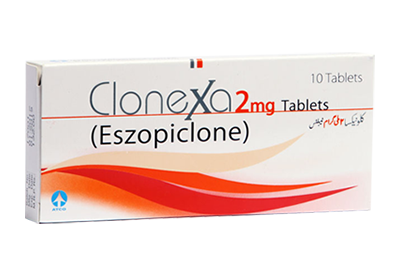
    With prescription sleeping medications such as Eszopiclone, the drug seldom functions alone. It interacts with the central nervous system of the body, making it very effective at treating insomnia, yet sensitive to what is introduced into the system simultaneously. Other drugs, alcohol, and even some foods can alter the way Eszopiclone is absorbed, metabolized, and ultimately felt. This is why physicians are adamant about knowing a complete list of what their patient is currently taking. Prescription medications, over-the-counter medications, and even herbal supplements before they begin Eszopiclone.

    Eszopiclone, as with other sedative-hypnotics, is metabolized primarily in the liver through enzymes that are part of the cytochrome P450 system. This implies that any medication that depresses or accelerates these enzymes can affect how long Eszopiclone remains active. More critically, since Eszopiclone suppresses activity in the brain, other medications with equal action may interact with it in a way that enhances sedation and elevates risk.

    The most important categories are:

    • CNS depressants: These include pain opioids (morphine, oxycodone), benzodiazepines (diazepam, lorazepam), barbiturates, and alcohol. Mixed with Eszopiclone, the sedation effect is cumulative instead of being cumulative. Patients become immensely sleepy, breathe more slowly, and in the worst cases, develop respiratory failure or overdose. That's why the combination of sleep drugs and opioids has received serious attention as a safety alert globally.
    • Antidepressants: Some antidepressants augment the sedative effects of Eszopiclone. SSRIs such as fluoxetine and sertraline can, at times, disrupt the metabolism of sleeping drugs, prolonging their effect into the next day. Tricyclic antidepressants (amitriptyline) and MAOIs also produce a heavier sedative load, making patients drowsy and less alert. In a few instances in clinical practice, physicians actually combine an antidepressant with Eszopiclone in patients with depression and insomnia, but this is always done under supervision.
    • Antipsychotics: Quetiapine, risperidone, and olanzapine are just a few examples of drugs with inherent sedative properties. Combination with Eszopiclone drastically increases the risk of dizziness, loss of balance, and confusion. This is particularly alarming in elderly patients, where fractures and falls become imminent threats.
    • Enzyme inhibitors: Some medications get in the way of the enzymes that metabolize Eszopiclone in the liver. Antifungal medications such as ketoconazole, antibiotics such as erythromycin, and antiviral medications for HIV or hepatitis can all slow down metabolism; that is, Eszopiclone stays in the bloodstream longer. The effect can be sedation that lasts too long and a wobbly mental state, even very late in the subsequent day.
    • Sedating antihistamines: Medications such as diphenhydramine or chlorphenamine, which are frequently marketed as "night-time" cold preparations, are themselves sedatives. Combining them with Eszopiclone enhances drowsiness and the potential for a morning hangover. Patients tend to downplay this interaction since these antihistamines are available over the counter.
    • Muscle relaxants and anaesthetics: If taken on the days preceding surgery, Eszopiclone has the potential to interact with anaesthesia and post-surgery pain medications. This interaction increases the risk of delayed recovery and respiratory depression. All patients undergoing surgery should always alert their anaesthetist if they are on sleeping pills.
    • Anticonvulsants: Although not sedating in all instances, certain anti-seizure medications, such as carbamazepine or phenytoin, induce drug metabolism. In these instances, Eszopiclone can be metabolized faster and become less effective. The patient will find that their normal dose no longer induces sleep, resulting in hazardous self-therapy adjustments in dosing.

    Practical tip: Patients must never initiate or discontinue any new medication without consulting a doctor or pharmacist. Even a course of antibiotics can change the way Eszopiclone works in the body.

    Drink and food have a greater effect on Eszopiclone than most people realize. Unlike interactions with prescription medications, these are usually disregarded, but they can modify the degree to which the medicine works or for how long it remains active.

    • Alcohol: By far the most risky combination. Alcohol amplifies the sedative effects of Eszopiclone, increasing the dangers of memory blackouts, hazardous disorientation, poor coordination, and even life-threatening respiratory depression. A modest amount of alcohol like a glass of wine during dinner can also have unpredictable effects when combined with Eszopiclone. Physicians always emphasize total avoidance.
    • Caffeine: Black tea, coffee, green tea, chocolates, and even energy drinks function as stimulants. Consumed too near bedtime, caffeine directly takes away the intended effect of Eszopiclone. Rather than falling into restorative sleep, patients may find themselves lying awake with interrupted rest, lighter sleep stages, or flat-out inability to sleep even after medication.
    • Grapefruit juice: Grapefruit has compounds that inhibit the CYP3A4 enzyme of the liver, retarding Eszopiclone's metabolism. This may keep more of the drug in the body's circulation, making side effects such as dizziness, coordination issues, and long-term drowsiness worse. Although this interaction is not equally effective on all patients, most doctors suggest refraining from grapefruit juice during treatment.
    • Heavy or fatty meals: A heavy, high-fat meal just before sleep may slow down the action of Eszopiclone. Instead of quickly inducing sleep in the patient, the drug may be slower to take effect, with the patient lying awake and seething in frustration. Timing is of the essence here: physicians typically prescribe that Eszopiclone be taken on an empty stomach or at least a few hours after consuming a full meal.

    Because Eszopiclone interacts with so many frequently prescribed drugs, a simple checklist is useful for both patients and clinicians:

    • CNS depressants: alcohol, opioids, benzodiazepines, barbiturates
    • Antidepressants: SSRIs, TCAs, MAOIs
    • Antipsychotics: risperidone, quetiapine, olanzapine
    • Anticonvulsants: carbamazepine, phenytoin
    • Enzyme inhibitors: ketoconazole, erythromycin, some antivirals
    • Sedating antihistamines: diphenhydramine, chlorphenamine
    • Muscle relaxants and anesthetics

    How to use this list: Whenever a new medicine is prescribed or bought over the counter, patients can ask, "Does this interact with my sleeping pill?" Pharmacists usually have computerized programs to alert them to harmful cross-matching, but being proactive helps avoid accidents.

    Eszopiclone on its own is generally safe when used correctly, but interactions can transform it from a helpful sleep aid into a source of risk. The most dangerous combinations are with alcohol and other sedatives, where the effects compound dramatically. Food and beverages play a subtler but still important role, with caffeine cancelling benefits and grapefruit potentially extending side effects.

    The safest approach is straightforward:

    • Take Eszopiclone only as prescribed.
    • Avoid alcohol completely.
    • Stick to a consistent bedtime routine with minimal caffeine intake in the evening.
    • Always disclose all medications and supplements to the prescribing doctor.

    Sleep medications are powerful tools, but they demand respect. By understanding how Eszopiclone interacts with other substances, patients can reduce risks and maximize the benefits ike better sleep, restored energy, and improved health overall.

    Prescription medication is now much more easily accessible than in the past few years, and it is not uncommon for patients to think of online services when they are seeking sleep treatment. The process to buy Eszopiclone online can be safe and convenient, provided it is done through proper channels. The most important protection is purchasing from a registered UK pharmacy that adheres to legal and clinical guidelines. Legitimate providers will never issue Eszopiclone without a prescription or medical evaluation.

    The issue is that hundreds of websites that sell Eszopiclone in the UK do not all act professionally. Uncontrolled sellers assure fast delivery without prescriptions, but it involves serious risks. Fake pills can contain an incorrect amount of strength, toxic fillers, or even no active substance at all in some instances. The consumption of such substances not only does not cure insomnia but also exposes patients to poisonous substances as well.

    When prescribed from a licensed pharmacy, the process is convenient but organized. Patients undergo an evaluation, and if Eszopiclone is suitable, they can order it directly. Most providers also provide next-day delivery, with rapid access without compromising safety. Quality services provide clear dosage instructions, expert advice, and customer support, which are vital to safe use.

    The cost of Eszopiclone tablets fluctuates in a few key areas, mainly the dose strength, the number in each pack, and where it is being purchased from, i.e., a local pharmacy or an online shop. In general terms, the cost of Eszopiclone 2 mg is marginally lower than more powerful doses since it is more often prescribed and stocked in most locations.

    A closer look at the drivers of price:

    • Strength: The 2 mg standard dose of Eszopiclone typically costs approximately £37.99 for 28 tablets. Higher strengths, such as 3 mg, are less commonly needed and will be slightly higher in price at approximately £44.99 for 28 tablets.
    • Pack size: Bigger packs lower the cost per tablet compared to smaller packs, so they're a better value for short treatment courses.
    • Source: Local pharmacies will be slightly more expensive but enable patients to pick up on the same day. Online pharmacies are generally cheaper and can deliver to the home as an extra convenience.
    • Extra services: Some sites provide prescription checking and medical consultation at no cost, which is an extra benefit over the drug itself.

    When it comes to price, patients need to keep in mind that safety is more important than savings. Purchasing Eszopiclone online from a UK-registered pharmacy ensures the tablets are genuine, properly packaged, and regulated. That reassurance is worth more than a couple of pounds in savings from accessing an unverified dealer.

    Eszopiclone 2 mg has been prescribed to numerous patients throughout the UK, and their comments provide valuable information about both its advantages and the warnings it carries. Some mention it as being the first medication to eventually provide them with reliable, undisturbed sleep after struggling with insomnia for months. Others emphasize the need to adhere very closely to medical advice in order not to become dependent or experience side effects.

    The most frequent shared observations are:

    • Relief from long-term insomnia: Insomnia patients, who were awake for hours, found that they slept for 30-45 minutes after consuming Eszopiclone tablets.
    • Relief from jet lag: Regular travellers mentioned that Eszopiclone enabled them to adapt faster to foreign time zones and avoided spending nights awake after flights.
    • Quieter sleep during anxious periods: A few patients who took Eszopiclone off-label for anxiety-associated insomnia reported quieter nights and less waking in the early morning hours.
    • Daytime functioning improved: Many of them noted better energy, a more even mood, and more focused thinking during the day after their sleep quality was enhanced.

    Of course, nothing is perfect. Some reviewers complained of slight morning grouchiness, particularly if they slept less than seven hours, and a bitter aftertaste persisted for some. Others complained that cessation of Eszopiclone after long-term use was difficult to accomplish, emphasizing the need to taper with a physician's guidance.

    Collectively, patient testimonials indicate that Eszopiclone is very effective if taken correctly but needs to be respected in terms of dosage, timing, and medical guidance.

    Insomnia is not only a night battle. It interferes with daytime productivity, mood, and overall health. Most non-prescription sleep medications cannot offer predictable or consistent outcomes, so prescription medications are frequently the breakthrough for patients. Eszopiclone is one of the more advanced drugs on the market. As the active S-enantiomer of zopiclone, it acts more selectively, so patients can gain the same sleep benefits with lower doses and fewer morning side effects.

    The power of Eszopiclone is in its dual effect. It not only makes individuals fall asleep sooner, but it also aids in more effective sleep maintenance throughout the night. It breaks the cycle of early morning waking or restlessness by achieving this balance. This means, for most, better concentration, more stable energy levels, and a clearer head throughout the day.

    That said, Eszopiclone isn't designed for casual use. It is a prescription-only medicine and should be approached with respect. Safe use requires following medical instructions carefully, limiting treatment duration, and avoiding risky combinations such as alcohol or other sedatives. Misuse can quickly lead to dependence or unwanted side effects.

    In the UK, patients benefit from being able to take Eszopiclone safely via regulated online pharmacies. These facilities marry convenience with the protection of medical screening, professional dosage advice, and secure packaging. In most instances, next-day delivery is offered, allowing patients to start treatment promptly without sacrificing safety.

    Used judiciously, Eszopiclone is more than simply sleep. It is a cornerstone of enhanced health, clearer minds, and greater living.

    All information here is intended for educational purposes and is supported by clinical research, official drug databases, and global health authorities.

    Authoritative Sources:

    1. U.S. Food and Drug Administration (FDA) - Lunesta (Eszopiclone) prescribing information: https://www.fda.gov
    2. Drugs.com - Eszopiclone professional and patient drug details: https://www.drugs.com
    3. Medscape - Eszopiclone dosage, interactions, and clinical use: https://reference.medscape.com
    4. American Academy of Sleep Medicine (AASM) - Clinical practice guidelines for insomnia treatment: https://aasm.org
    5. Journal of Psychopharmacology - Peer-reviewed studies on Eszopiclone efficacy and safety: https://journals.sagepub.com/home/jop
    6. Cochrane Library - Systematic reviews on hypnotics and sleep medications: https://www.cochranelibrary.com
    7. Health Canada - Eszopiclone product monograph and safety advisories: https://www.canada.ca/en/health-canada
    8. National Center for Biotechnology Information (NCBI) - Eszopiclone pharmacology and clinical studies: https://www.ncbi.nlm.nih.gov
    9. American Family Physician - Evidence-based articles on insomnia management: https://www.aafp.org
    10. Sleep Foundation - Patient-centered resources on sleep disorders and medications: https://www.sleepfoundation.org

    These sources provide reliable, up-to-date knowledge on the clinical use of Eszopiclone, ensuring patients and professionals can make informed, evidence-based decisions.

    FAQ

    Eszopiclone usually begins working within 30 minutes. For best results, it should be taken right before bedtime when you're ready to sleep.

    Unlike some other sleep aids, Eszopiclone has been studied for longer durations. In certain cases, doctors may prescribe it beyond 4 weeks, but always under strict monitoring to avoid dependence.

    The usual starting dose for adults is 1 mg at bedtime. Depending on the response, this may be increased to 2 mg or 3 mg. Elderly patients or those with liver problems often start on the lowest dose.

    Some people may feel groggy the following morning, especially on higher doses. To reduce this, take it only when you can allow 7-8 hours for sleep.

    Yes, some patients use it when adjusting to new time zones. However, it should only be taken when a full night of rest is possible.

    It carries a risk of dependence, though it is considered lower than with benzodiazepines. Prolonged or unsupervised use increases this risk.

    Alcohol should be completely avoided as it increases sedation and the risk of accidents. Heavy or high-fat meals close to bedtime can delay their effect.

    Caution is needed. Combining with antidepressants, opioids, or other sedatives can increase drowsiness and breathing risks. Always disclose all medicines to your doctor.

    Some patients report a metallic taste, sleepwalking, or performing activities during sleep without memory. If these occur, medical advice is essential.

    Only if purchased through a licensed pharmacy with a prescription. Unregulated sellers may provide fake tablets that are unsafe.

    Medically Reviewed By:

    Dr Ömer ATLI

    Dr Ömer ATLI

    Emergency Physician | Medical Reviewer | Digital Health

    Dr Ömer Atlı is a GMC-registered physician and emergency medicine doctor currently working in Türkiye. He practices in high-acuity emergency department settings where rapid clinical decision-making and management of undifferentiated patients are essential.

    Know More