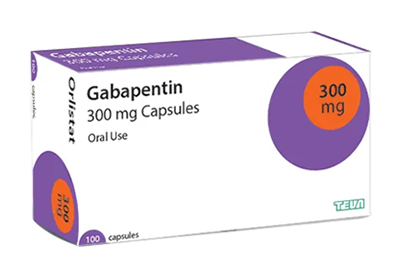
Images for illustrative purposes only
This information is for educational purposes only; please consult a doctor before starting any treatment.
Gabapentin is a prescription medication commonly used to treat nerve pain and certain types of seizures. Clinical studies show it works by affecting nerve signals in the brain and nervous system. Neurontin is the well-known brand name, while gabapentin is the active ingredient.
To ensure safe use, you need to answer a few brief health questions before checkout.
Living with chronic pain or repeated seizures isn’t merely unpleasant. It can reorganize how someone moves, thinks, and engages in day-to-day life. Neuropathic pain specifically, which is caused by injured or overactive nerves, tends to defy typical painkillers such as ibuprofen or paracetamol. This creates a cycle of perpetual discomfort, sleep deprivation, and lowered quality of life for many. Gabapentin medication is a prescription drug that is designed to interrupt that cycle through calming nerve activity and delivering effective relief.
Created as an anticonvulsant for epilepsy, Gabapentin uses have extended to include neuropathic pain, post-herpetic neuralgia, diabetic neuropathy pain, and even off-label uses like anxiety or restless legs syndrome. Unlike opioids, Gabapentin is not a pain signal blocker. Rather, it specifically targets calcium channels in the nervous system, dampening excessive firing of pain tracts. This makes it especially useful for nerve-derived pain that typical analgesics cannot effectively treat.
Gabapentin 300mg is a widely prescribed strength, found both in Gabapentin capsules and Gabapentin tablets. It is also most familiar to the public as Gabapentin (Neurontin), although the generic is just as effective and cheaper. Prescribed in the UK and globally, Gabapentin is usually divided into doses taken during the day, with titration gradually increased by a physician as necessary for the patient.
For most, initiation of Gabapentin medication therapy brings tangible benefits: less burning or shooting pain in the nerves, fewer seizures, and more normal sleeping and functioning. Untreated, chronic nerve pain may result in exhaustion, depression, and loss of autonomy. Restoring balance and quieting abnormal nerve impulses, Gabapentin provides patients with a way to move towards more stable health, mobility, and daily competence. Yet always under the medical community's watchful eye for safety.
Pain and convulsions are controlled by intricate communication between the brain and nerves. If the nerves become overexcited, inflamed, or damaged, they emit excessive electrical activity that the brain interprets as pain or abnormal activity. This is how neuropathic pain and certain seizure disorders happen. Gabapentin works by calming this excess activity, reducing the symptoms to a lesser severity and greater manageability.
Unlike opioids, which dampen pain messages directly through specialized receptors, Gabapentin is an anticonvulsant. Its exact mechanism of action is not fully understood, but it is known to bind with central nervous system voltage-gated calcium channel alpha-2-delta subunits. Through that mechanism, it reduces the release of excitatory neurotransmitters, substances that would otherwise amplify pain signals or induce seizures. Essentially, Gabapentin doesn’t deaden pain; it quiets the errant firing of nerves that create it.
What sets Gabapentin for pain apart is its dual action. Not only does it regulate abnormal electrical activity in epilepsy, but it also helps to relieve nerve pain that ordinary painkillers miss. When taken orally in tablet or capsule form, Gabapentin Neurontin 300 mg tablet is absorbed by the gastrointestinal tract and distributed throughout the body. Although it doesn’t work on opioid receptors or induce euphoria, the ability to calm the nervous system can provide physical relief along with a sense of more stable functioning.
Gabapentin’s action is relatively short, lasting a few hours, so it is given in repeated daily doses. The doctors usually start patients on low doses and gradually increase them over time to find the optimal dose that balances effectiveness and tolerability. Low doses may not be able to suppress pain or seizures, and higher doses are associated with side effects such as drowsiness or light-headedness. Gabapentin is effective with very little risk with good dosing.
The correct dose of Gabapentin varies for each patient. Physicians customize it based on the condition being treated, how the person responds, and whether it is being used to treat nerve pain, seizures, or both. Getting the correct dosage is important: too low might fail to control symptoms, and too high might risk dizziness, tiredness, or trouble with coordination.
For adults beginning therapy, treatment often starts with a low amount, such as Gabapentin 300mg, usually taken once in the evening or once daily for a few days. The dose is then gradually increased to two or three times a day. This stepwise approach helps the body adapt while lowering the chance of unwanted side effects. Eventually, the effective daily dose is usually split into several doses, as Gabapentin capsules and tablets only last a few hours each.
Several strengths and forms are available:
Some key points regarding safe use:
When used properly, Gabapentin (Neurontin) in its various strengths and formulations provides patients with flexibility and consistent symptom control, restoring daily function and stability.
One of the foremost benefits of Gabapentin medication is that it can relieve neuropathic pain, which typically fails to respond to normal medications such as ibuprofen or paracetamol. Diabetic nerve pain, shingles (postherpetic neuralgia), or sciatica are among the conditions that cause stabbing, burning pain that disrupts an individual’s daily life. Through the soothing of excessive nerve impulses, Gabapentin provides significant relief so that patients can lead more comfortable lives.
Gabapentin uses are worth more than just managing pain. It is also prescribed as an add-on to other treatments for epilepsy to decrease seizure frequency in children and adults. Physicians also prescribe it for restless legs syndrome, fibromyalgia, or even anxiety under some circumstances. This makes Gabapentin tablets as well as Gabapentin capsules a convenient option with a broad range of chronic neurological as well as pain disorders.
Seizures and chronic pain frequently disrupt sleep, leading to irritability and lack of focus. By lessening nerve overactivity, Gabapentin Neurontin 300 mg tablet enables patients to sleep more soundly and maintain more stable daily routines. Patients report feeling less irritable and better able to concentrate on work or home tasks once their symptoms are under control.
Another advantage lies in how well Gabapentin can be used alongside other medications. For instance, combining it with antidepressants or other anticonvulsants often enhances overall symptom control. This means patients can achieve better relief without relying on excessively high doses of a single drug, reducing the likelihood of intolerable side effects.
Having to live with ongoing nerve pain or recurrent seizures may engender frustration, apprehension, and loneliness. Through consistent relief, Gabapentin 300mg and other dosages provide a feeling of control and hope. Patients receive not only physical relief but also mental peace of mind, assured that their symptoms will no longer hold sway over their lives.
Responsibly used under medical control, Gabapentin is not just a therapy. It is a road to better sleep, movement, and quality of life.
Gabapentin medication is commonly used for neuropathic pain and seizures, but like all medications, its advantages must be weighed against potential side effects. Being aware ensures that Gabapentin tablets and Gabapentin capsules are used responsibly and safely.
Most side effects are minor and usually improve once the body adapts to the dose:
Less frequent but significant side effects may happen in sensitive individuals or with larger doses of Gabapentin 300mg or more:
Drug interactions are another safety issue. Alcohol, sleeping aids, and narcotics may enhance drowsiness and slow breathing. The patient must always inform their physician of every prescription or supplement they are taking before initiating Gabapentin Neurontin.
Special groups require increased precautions:
Practical precautions include never taking more than prescribed and refraining from driving or using machinery until the individual's tolerance is evident.
Under close observation by a doctor, Gabapentin gives sustained relief at a controllable risk.
Gabapentin medication is commonly used to treat nerve pain and seizure conditions, yet it has no interaction with risk factors. Since Gabapentin tablets and Gabapentin capsules work on the nervous system, mixing them with other medications or substances would alter how safe or effective they are. Doctors normally request the patient’s full list of drugs, over-the-counter medications, and even herbal supplements before initiating therapy with Gabapentin Neurontin.
The greatest risk occurs when Gabapentin is mixed with other medication that depresses the brain. Sedatives like benzodiazepines, sleeping medicines like zolpidem, powerful painkillers like morphine, or alcohol can significantly amplify side effects. This may equate to devastating drowsiness, poor coordination, or, in extreme instances, slowed breathing. Patients must avoid alcohol completely and exercise care with any sedative medication unless expressly cleared by their physician.
Because so many individuals with seizures or chronic pain also suffer from depression or anxiety, antidepressants are commonly prescribed in conjunction with Gabapentin 300mg or higher. Although most combinations are safe with monitoring, some antidepressants increase drowsiness, dizziness, or confusion. Tricyclic antidepressants such as amitriptyline are particularly prone to these effects, and the patient should be monitored to avoid accidents or falls.
Certain seizure medications are used alongside Gabapentin as part of combination therapy. In general, Gabapentin has a low potential for pharmacokinetic drug interactions compared with many other antiepileptic medicines, but overlapping sedative effects may occur when multiple CNS-active medicines are used together. Due to these overlaps, physicians often adjust doses gradually and monitor response and tolerability.
When used with opioids such as tramadol, oxycodone, or hydrocodone, Gabapentin may augment sedation and the risk of respiratory difficulty. This combination is occasionally required in breakthrough neuropathic pain, but is under strict monitoring and closely titrated dosing. Patients should never alter their dose independently when on both drugs.
Some of the most underappreciated interactions are from everyday, readily available drugs. Sedating antihistamines like diphenhydramine (which is commonly found in sleep remedies and allergy pills) can significantly contribute to the drowsiness that Gabapentin produces. Herbal supplements like kava or valerian root, which also have a calming effect on the nervous system, share the same risk. These must always be mentioned when considering treatment options.
In cases of patients undergoing surgery or procedures with anaesthesia, physicians must be informed of Gabapentin use beforehand. Because anaesthetics also lower the nervous system, their interaction with Gabapentin can delay recovery or enhance sedation. Preoperative checkups guarantee safe dosing.
When closely watched, Gabapentin is a successful and safe treatment. But awareness of possible interactions between prescription medications and common supplements is key to preventing trouble. Open communication with physicians makes Gabapentin Neurontin a trustworthy resource for long-term freedom from pain.
Medications don’t work alone, and diet may be an important factor in how effective Gabapentin is. Although Gabapentin capsules and Gabapentin tablets are fairly flexible about food, some combinations can affect tolerability, sedation, or sleep. Knowing these factors helps patients achieve the optimal outcome with Gabapentin Neurontin tablets.
The most important interaction is with alcohol. Both Gabapentin and alcohol depress the central nervous system. Together, they can amplify drowsiness, impair judgment, decrease coordination, and, in extreme situations, slow down breathing. Small quantities, such as a glass of beer or wine, can increase these risks. As a precaution, patients are told to avoid alcohol entirely during treatment.
Caffeine, contained in coffee, tea, colas, and energy drinks, acts oppositely by activating the nervous system. Although this might decrease Gabapentin-induced drowsiness for some individuals, it can interfere with sleep patterns and increase jitteriness or restlessness. As adequate sleep is imperative for controlling pain from nerves and seizures, reducing caffeine consumption, particularly in the evening, is advisable.
Unlike many other drugs, the liver does not significantly metabolise Gabapentin, and grapefruit juice is not known to cause a clinically significant interaction. Still, if a patient notices stomach upset or inconsistent symptom control when combining any medicine with specific foods or drinks, they should discuss it with a clinician. To err on the side of caution, patients can choose to avoid grapefruit juice if it worsens their tolerability.
Taking Gabapentin tablets with a big, fatty meal can slow down absorption for some people, meaning relief from the symptoms can feel slower. Although it is okay to take the medication with food to minimize stomach discomfort, physicians usually advise taking it consistently and avoiding very heavy meals immediately before dosing if rapid relief is necessary.
Everyday routines and OTC medications also count. Dietary supplements such as valerian, kava, or St. John’s Wort may contribute to drowsiness or affect how someone feels on treatment. Smoking or vaping nicotine may affect sleep quality and overall symptom control. Sedating antihistamines, which are frequently found in remedies for the common cold and flu, when used with Gabapentin Neurontin, can significantly worsen fatigue, dizziness, or accident risk.
When using Gabapentin tablets or Gabapentin capsules, it’s important to know how other medicines may interact. While Gabapentin Neurontin is not metabolized heavily by the liver like many other drugs, it can still have important overlaps that affect safety and effectiveness.
Alcohol, opioids (morphine, oxycodone, tramadol), sleeping pills, and benzodiazepines (diazepam, lorazepam) can amplify sedation, dizziness, and slow breathing.
Magnesium- or aluminium-containing antacids decrease the absorption of Gabapentin 300mg if taken too closely together. Take at least 2 hours between doses.
Other seizure medications might require dose adjustments because their effects on seizure control and tolerability can overlap when used together.
Some SSRIs and tricyclic antidepressants enhance drowsiness when used together with Gabapentin medication. Physicians usually closely monitor mood and sedation levels.
Co-use with codeine, tramadol, or morphine increases the risk of severe sedation and respiratory depression. This combination must be used only under strict supervision.
Adding diphenhydramine, hydroxyzine, or chlorphenamine contributes to drowsiness and coordination impairment, leading to a heightened risk of falls, particularly in older people.
Patient Tip: Always give your doctor and pharmacist a complete list of prescriptions, over-the-counter medications, and supplements. Never combine Gabapentin medication with other sedative drugs without medical consent.
Purchasing Gabapentin in the UK soon leads to an attractive alternative for sufferers of nerve pain, epilepsy, or psychological disorders. Home delivery is very convenient, but when it comes to a prescription drug like Gabapentin Neurontin, safety and legality should be paramount.
Accepted UK-licensed pharmacies will not supply Gabapentin 300mg tablets or Gabapentin 600mg without a valid prescription. This protection helps ensure that treatment is relevant to the disorder, dosing is accurate, and that patients are well-informed about possible side effects and drug interactions. A medical questionnaire and clinical assessment may be involved in the process, during which a registered prescriber can evaluate whether Gabapentin tablets or capsules are indicated.
The actual threat comes from unregulated sources that advertise selling cheap Gabapentin or offering “no-prescription” access. Tempting as they may be, one should not buy Gabapentin 300mg in the UK from an unregulated site. Counterfeit products can contain incorrect dosages, unknown fillers, or no active ingredient at all. These risks can lead to poor seizure control, worsening symptoms, unexpected side effects, or serious harm.
In contrast, regulated UK-licensed pharmacies can make the process safe and dependable. Patients complete a form that is reviewed by a medical professional, and the drug is supplied in authenticated packaging with complete usage directions. The pharmacies also clarify potential side effects, emphasize precautions, and restrict supply to clinically appropriate use and quantities. This supports the safe and responsible use of Gabapentin medication.
The key is that, although you can get Gabapentin online in the UK, it should only be from prescription-based, UK-licensed pharmacies. Going down the legal route keeps patients safe from the threats of fake medicines. It also supports access to genuine Gabapentin 300mg tablets or Gabapentin 600mg capsules, delivered with medical guidance.
In short, safe ordering online offers convenience and peace of mind. Patients receive the relief from pain or seizures they require without putting themselves at risk from unsafe or illegal sources. With prescription monitoring and controlled supply, Gabapentin is a trusted component of treatment instead of a hazard potential.
Pricing of Gabapentin in the UK depends on dosage strength, pack size, and whether purchased locally or online. The most commonly used strengths, Gabapentin 300mg and 600mg, are widely available. Gabapentin 300mg price tends to vary with larger doses or longer pack sizes.
These items have a significant influence on pricing:
Just as with Gabapentin 300mg price, safety is the first concern. Patients should order Gabapentin online in the UK only from prescription-only, regulated pharmacies to ensure genuine, properly packaged products.
Across the UK, Gabapentin is commonly prescribed in capsule and tablet forms for nerve pain and seizure control. According to patient feedback, the drug has a positive effect but also requires careful monitoring. They report that the nerve pain is finally reduced after having resisted painkillers such as ibuprofen or paracetamol. They mention that patience is required, as it could be days to weeks before Gabapentin fully kicks in, with some of the reports being the following:
• Elimination of chronic nerve pain: People with varying degrees of sciatic nerve pain, diabetic neuropathic pain, or the pains of shingles generally report a gradual decrease in their tingling or burning pain.
• Improvement of sleep: Most patients report that Gabapentin helps them sleep better by reducing nerve pain at night.
• Enhancement of daytime functioning: Patients report being able to walk, work, or exercise with ease once their symptoms are well controlled.
• Relief of anxiety: Some patients using Gabapentin off-label for anxiety state that they feel calm and composed.
Not all things said are positive, however. Many patients mention feeling dizzy, drowsy, or experiencing weight gain as side effects, especially at the beginning of treatment. Others mention withdrawal symptoms in case of missed doses or sudden discontinuation of tre
atment.
Chronic nerve pain, post-surgical pain, or neuropathy can significantly reduce quality of life, and simple activities become problematic and tiresome. When regular pain medications or over-the-counter products do not provide relief, Gabapentin 300mg tablets and Gabapentin capsules are a clinically established prescription option. By modulating nerve signalling in the central nervous system, Gabapentin Neurontin tablets reduce overactive nerve activity, suppressing pain, tingling, or burning and allowing patients to regain normal mobility, sleep, and functioning.
All that aside, the Gabapentin drug does have caveats of its own. Even though it is tolerated very well, misuse, abrupt withdrawal, or concomitant use with alcohol, sedatives, or other CNS depressants can increase the risk of dizziness, oversedation, or other side effects. Doctors provide specific dosing guidance, and these must be followed to achieve maximum efficacy while avoiding risk. Gradual dose adjustment and medical monitoring are required for safe use, particularly in the elderly and in patients with renal disease.
Patients can purchase Gabapentin safely online in the UK only from licensed, prescription-only pharmacies. Effective providers ensure accurate labeling, quality-tested formulations, prompt home delivery, and safe-use guidance. Sources from unlicensed or counterfeit suppliers can lead to ineffective medication, side effects, or a grave health risk.
In summary, Gabapentin 300mg tablets, Gabapentin capsules, and Gabapentin Neurontin med are potent medical remedies for managing neuropathic pain, seizures, or other nerve conditions when prescribed responsibly by medical providers. Compliance with medical prescriptions ensures maximum symptom control, better rest, and overall better quality of life, with fewer potential risks. Responsible use of Gabapentin medication enables patients to securely manage their conditions and regain control of their daily routines.
All information provided here is for educational purposes and is supported by trusted health authorities, clinical guidelines, and peer-reviewed research. This content should not replace professional medical advice. Always consult a qualified healthcare professional before starting or stopping any medication.
Authoritative Sources:
Comprehensive information on Gabapentin, including its uses, side effects, and dosage guidelines.
https://www.nhs.uk/medicines/gabapentin/about-gabapentin/Detailed instructions on dosing schedules, administration methods, and tips for optimal use.
https://www.nhs.uk/medicines/gabapentin/how-and-when-to-take-gabapentin/Answers to frequently asked questions regarding prescriptions, side effects, and interactions.
https://www.nhs.uk/medicines/gabapentin/common-questions-about-gabapentin/Clinical guidelines on prescribing Gabapentin for neuropathic pain management.
https://cks.nice.org.uk/topics/neuropathic-pain-drug-treatment/prescribing-information/gabapentin/Professional prescribing information, including dosing, interactions, and cautions.
https://bnf.nice.org.uk/drugs/gabapentin/Detailed list of known drug interactions with Gabapentin.
https://bnf.nice.org.uk/interactions/gabapentin/Information on available forms, strengths, and packaging of Gabapentin.
https://bnf.nice.org.uk/drugs/gabapentin/medicinal-forms/Guidance on the classification and handling of controlled substances, including Gabapentin.
https://bnf.nice.org.uk/medicines-guidance/controlled-drugs-and-drug-dependence/Clinical guideline CG173 on the pharmacological management of neuropathic pain, including the use of Gabapentin.
https://www.nice.org.uk/guidance/cg173/chapter/recommendationsPolicy document outlining the handling and prescribing requirements for Gabapentin as a Schedule 3 controlled drug.
https://www.england.nhs.uk/wp-content/uploads/2019/02/handling-pregabalin-and-gabapentin.pdfThese references provide a credible basis for the safe and informed use of Gabapentin 300mg tablets, Gabapentin capsules, and Gabapentin Neurontin. Patients are encouraged to purchase Gabapentin in the UK only from licensed, regulated pharmacies to ensure the authenticity and safety of the medication.
Copyright © 2026 PharmNexa.com. All rights reserved worldwide.