• Prescriptions issued by licensed UK Doctors

  • Safe and convenient service

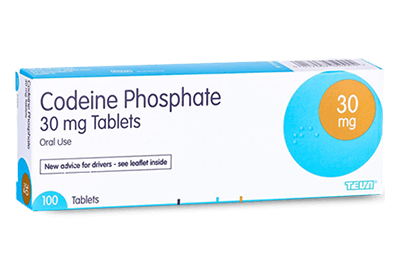
Codeine Phosphate

Images for illustrative purposes only

This information is for educational purposes only; please consult a doctor before starting any treatment.

Codeine Phosphate

Codeine Phosphate is a prescription opioid medication commonly used to relieve mild to moderate pain. Clinical guidance shows it works by acting on the central nervous system to reduce pain signals and provide temporary relief when other pain treatments are not sufficient.

  • Commonly prescribed pain relief medication
  • Helps relieve mild to moderate pain and coughing
  • Starts working within 30–60 minutes
  • Quality-tested and approved medication
  • Delivered through certified pharmacies
  • *Brands may vary*
Order within
  • 20h
  • 52m
  • 12s
  • to receive your order Saturday 25th October
    In Stock
    Best Seller
    Medication shipped to your door
    Quick & Easy
    Treatment for
    Painkillers
    Strength:
    Package Size:
    £49.99

    More Information

    Chronic and injury-related pain can be quite bothersome. In many cases, it can also be debilitating. In such cases, strong painkillers such as Codeine can be prescribed to manage pain and enable individuals to perform their regular activities. Codeine is often considered more effective than some non-opioid analgesic medications as it effectively manages pain symptoms and provides relief from certain pain conditions.

    Codeine belongs to the opioid analgesic (narcotic) drug class, which is widely used for treating various kinds of pain conditions. However, one must note that Codeine is a weak opioid or narcotic drug that generally helps to relieve mild to moderate pain conditions. It might need to be combined with other analgesic medications for the treatment of more severe pain conditions. On the other hand, being a weak opioid or narcotic, Codeine is one of the commonly used options for pain management among healthcare professionals and patients. However, being a weak opioid does not eliminate the risk of dependence, and Codeine can cause dependency, misuse, or addiction, particularly when taken for prolonged periods or at higher doses than prescribed.

    Codeine is primarily used for treating mild to moderate pain conditions such as back pain, neck pain, pain due to strain or sprain, and other musculoskeletal pain conditions. Codeine tablets are also used for cough suppression and, in some cases, for the management of diarrhoea. However, before using the medicine off-label, you should consult a healthcare provider to ensure safe and appropriate administration.

    Apart from its benefits in pain management, the medicine does possess certain side effects and overdose hazards. Some common side effects of the medicine may include dry mouth, headache, feeling dizzy, drowsiness, nausea, and constipation. More serious side effects that one must watch out for may include severe constipation, difficulty in urinating, confusion, marked drowsiness, respiratory depression, and allergic reactions. Codeine can cause life-threatening side effects, particularly at high doses or when combined with other central nervous system depressants. Therefore, it is essential to avoid misuse or overdosing to prevent potential health hazards.

    Also, choosing a trusted pharmacy to obtain your painkiller helps ensure the medicine is safe and reliable. In the UK, Codeine is available as a prescription-only medicine in higher strengths, and an appropriate medical assessment is required to ensure you receive the most suitable dosage for your pain relief.

    Codeine belongs to a group of drugs known as opioid analgesics. It is used to treat mild to moderate pain problems. Codeine has analgesic and antitussive properties. The medicine acts centrally to reduce pain symptoms. The mechanism of action of Codeine involves its action as an opioid receptor agonist, specifically at the mu-opioid receptors, after its conversion to morphine in the body.

    Codeine is metabolised in the liver. One of the primary active metabolites of Codeine is morphine, formed via CYP2D6 metabolism. Codeine-6-glucuronide is another metabolite and also contributes to its analgesic effects. Codeine reduces intracellular cAMP levels by binding to mu-opioid receptors and activating inhibitory G-proteins. This process hyperpolarises nociceptive neurones, reducing the transmission of pain signals in the Central Nervous System. Thus, Codeine effectively reduces the symptoms of mild to moderate pain.

    Codeine is usually metabolised in the liver. The elimination half-life of Codeine is approximately 3 hours after ingestion, although this may vary depending on individual metabolic differences. It has a shorter elimination half-life compared to some other opioids. The medicine is generally intended for short-term use in pain treatment. It is not usually recommended as a first-line option for chronic non-cancer pain. The duration of detectability in the body can vary depending on the formulation and individual factors. Prolonged use of Codeine can be addictive and can cause withdrawal symptoms. It is crucial to use the medicine safely.

    Codeine is an effective painkiller that helps to reduce mild to moderate pain. Codeine is sometimes also included in other combination medicines. Codeine, when considered in its original form, is generally available in standard oral tablets, oral solution, and powder. In the UK, Codeine phosphate is available as oral tablets and oral solutions, and the powder is typically intended for specific pharmaceutical or compounding purposes under professional supervision. Here is a detailed breakdown of different forms and strengths of Codeine available in the UK:

    • Codeine tablets (oral) – 15 mg, 30 mg, and 60 mg
    • Codeine oral solution – 25 mg/5 ml or 30 mg/5 ml (depending on product)

    Frequently used Codeine treatment dosages:

    • Usual adult dosage for pain treatment is 15 mg–60 mg every 4 hours as required, as recommended by your doctor. The maximum daily dose of Codeine for pain in adults is generally not more than 240 mg, although specific recommendations may vary depending on formulation and clinical context.
    • The dosage of Codeine can be adjusted by a healthcare provider if needed.
    • The off-label uses of Codeine include the management of the symptoms of diarrhoea and cough.
    • Children between the ages of 12 and 18 years may be prescribed this medicine in specific circumstances. However, one must consult a healthcare provider before using this medication for individuals in this age group, particularly in those with breathing problems.
    • Children under the age of 12 years should not use Codeine.
    • Older adults or people with kidney or liver problems may require dose adjustment and careful monitoring under a doctor’s supervision.
    • People with hepatic or renal impairment should use the medicine at a lower dosage and for a short time, if prescribed.
    • Codeine is meant for short-term usage. Its long-term usage can be habit-forming and cause withdrawal symptoms.
    • Pregnant or lactating women must avoid using Codeine unless specifically advised by a healthcare professional, as Codeine can pose risks to the baby.

    Consult with your doctor if you are intending to use this medicine with any CNS depressant or alcohol. Codeine can interact with alcohol or CNS depressants, and its sedative effects can become worse, increasing the risk of respiratory depression. It is advisable to avoid driving or operating machinery after taking this medicine, as it can cause dizziness and drowsiness.

    There are various prescription and off-label uses of Codeine. Codeine tablets are primarily used as a pain medication. In addition to its multiple uses, it offers various other benefits. Here are some key benefits of Codeine:

    Multiple uses

    The prescription Codeine phosphate uses include the treatment of mild to moderate pain problems. It may also be used in certain cases for cough suppression or diarrhoea. Its multiple uses make it a widely used medicine in the UK. Codeine is also used as an active ingredient in various combination pain relief medicines.

    Opioid analgesic

    Another key point about using Codeine for pain relief, cough suppression, or diarrhoea is that it is classified as a weak opioid. However, it still carries a risk of dependence, tolerance, and misuse, particularly with prolonged or inappropriate use.

    Faster onset of action

    One important aspect of using Codeine is its relatively quick onset. It usually starts working within 30 to 60 minutes after ingestion and reaches its peak effect within approximately 1 to 2 hours. The effects of Codeine phosphate can last 4 to 6 hours after administration. That is why it is usually taken every 4 to 6 hours as required.

    Improved functionality

    Codeine is a painkiller that can effectively reduce mild to moderate pain symptoms that can interfere with one’s everyday routine. After taking this medicine, you may be able to perform your regular tasks with reduced pain interference if the medicine is effective and well-tolerated.

    Increased productivity

    Pain problems can reduce productivity and cause mental stress. Appropriate use of Codeine under medical supervision can help manage pain symptoms and improve functional ability in the short term.

    It is common to experience side effects of Codeine as your body adjusts to the effects of the medicine. The side effects of Codeine can be common and less common. Common side effects may resolve on their own within a short time, while more serious side effects require medical attention. One should contact a doctor if side effects become severe or persistent.

    Some common side effects of Codeine include:

    • Dizziness
    • Drowsiness
    • Nausea
    • Constipation

    Other side effects may also occur. Different people can react differently to the medicine. Misuse, long-term use, and overuse can increase the risk of serious side effects. Here are some less common but potentially serious side effects of Codeine:

    • Confusion
    • Difficulty breathing or shallow breathing
    • Severe constipation
    • Urinary retention
    • Allergic reaction

    It is also important to consider possible Codeine interactions before you use the medicine. Codeine can interact with other opioids or CNS depressants. In some cases, medications that can interact with Codeine are prescribed together under medical supervision, but such combinations require careful dose adjustment and monitoring by a healthcare provider.

    Alcohol can significantly increase the sedative and respiratory depressant effects of Codeine and should be avoided. Grapefruit juice may also affect drug metabolism in some cases. You can ask your doctor to get detailed information about Codeine interactions.

    Certain people may not be suitable for using Codeine. Codeine is considered inappropriate for children under the age of 12, people with significant respiratory conditions, and individuals with certain metabolic disorders affecting CYP2D6. It should be used with caution in people with kidney, liver, or lung problems. Breastfeeding and pregnant women should avoid Codeine unless specifically advised by a healthcare professional. As the medicine causes drowsiness, one should avoid driving after taking this medicine.
    Drug Interactions

    Codeine is an opioid analgesic and also has antitussive properties. Being an opioid, Codeine has the potential to interact with other opioids, CNS depressants, and different classes of drugs. Some interactions can be serious and increase the risk of respiratory depression, sedation, or other adverse effects. Therefore, awareness of potential interactions and their outcomes is important.

    Here is a brief list of notable Codeine drug-drug interactions:

    • MAOIs – Codeine should not be used in patients currently taking monoamine oxidase inhibitors or within 14 days of stopping such treatment due to the risk of serious adverse reactions.
    • CNS depressants – Opioids, benzodiazepines, barbiturates, and other sedatives can increase the risk of central nervous system depression, respiratory depression, and hypotension when combined with Codeine.
    • Antipsychotics – Some antipsychotic drugs may increase sedative effects when combined with Codeine, increasing the risk of drowsiness and respiratory depression.
    • Antihistamines – Sedating antihistamines can enhance sedation and respiratory depression when taken with Codeine.
    • Beta-blockers and other medicines – Certain medicines may enhance hypotensive or sedative effects and should be used cautiously with Codeine.

    Codeine is known to interact with a wide variety of drugs. Some interactions can increase the risk of side effects. Therefore, it is crucial to consult with a healthcare provider and discuss medical history and current medication usage before taking Codeine.

    Drug-Food Interactions

    Apart from drug-drug interactions, Codeine may also be affected by certain foods and substances. Not all Codeine drug-food interactions are clinically significant, but caution is advised.

    Here are some notable considerations:

    • Heavy or fatty meals – Such meals may delay gastric emptying and slightly delay the onset of action of Codeine, but they do not significantly reduce its overall effectiveness.
    • Alcohol – Alcohol should be avoided while taking Codeine. Combining alcohol with Codeine can increase the risk of drowsiness, impaired coordination, respiratory depression, and overdose.
    • Caffeine – Caffeine may counteract some sedative effects, but it does not prevent respiratory depression. Combining stimulants and opioids should be discussed with a healthcare provider.
    • Grapefruit juice – Grapefruit juice may affect certain metabolic enzymes, although its interaction with Codeine is less clearly defined compared to other opioids. Caution is advised.

    Consult with a healthcare provider and take essential safety measures to avoid potential side effects or interaction hazards.

    Drug Interactions Checker List

    Codeine is a prescription-only controlled drug that belongs to the opioid analgesic drug class. As a result, the medicine can interact with a variety of other drugs. Having a quick reference list can be helpful.

    Here is a quick drug-drug interaction checklist for Codeine:

    • MAOIs
    • CNS depressants – Opioids, benzodiazepines, and barbiturates
    • Antipsychotics
    • Sedating antihistamines
    • Other medicines that cause sedation or respiratory depression

    Codeine can interact with several other drugs, and the interactions can become hazardous. Therefore, knowing about potential interactions and taking essential precautions is key to ensuring safe and effective administration.

    Doctors should examine medical history and review current medications before prescribing Codeine. Patients should refrain from self-prescribing the medicine.

    When it comes to obtaining Codeine, it should be obtained from a lawful and regulated source. In the UK, higher-strength Codeine preparations are prescription-only medicines, and a medical assessment is required before supply. This helps ensure appropriate dosage and monitoring.

    The pricing and availability of Codeine can vary from pharmacy to pharmacy. Factors that can influence pricing and availability include pack size and strength. For example:

    • Different strengths – Higher strengths may cost more than lower strengths.
    • Pack size – Larger pack sizes may offer a lower cost per tablet, but supply is regulated and subject to prescription requirements.

    When obtaining Codeine, the quality and legitimacy of the supply are important considerations.

    Codeine is an effective medicine that helps to treat mild to moderate pain conditions. It may also be used in certain clinical situations for cough or diarrhoea. It is widely used in the UK for pain management when prescribed appropriately.

    Experiences with Codeine can vary. Some individuals report effective pain relief and improved sleep when used as prescribed. Others may experience side effects such as drowsiness, nausea, or constipation. Some individuals may have concerns regarding interactions with alcohol or other CNS depressants.

    Codeine is an opioid analgesic (narcotic) drug primarily used for treating mild to moderate pain conditions. The medicine may also be used for cough suppression or diarrhoea in specific clinical circumstances. However, the medicine is not free from side effects and can interact with several foods, substances, and other drugs.

    Therefore, consulting with a healthcare provider and discussing medical history is essential before using the medicine. Some common side effects of Codeine may include dizziness, drowsiness, nausea, and constipation, while more serious side effects may involve respiratory depression and severe sedation. One must watch out for potential drug-drug and drug-food interactions as well as side effects.

    If you have been prescribed Codeine, ensure that you obtain it from a regulated and lawful source in accordance with UK prescribing requirements.

    Codeine is a prescription-only medicine in the UK in higher strengths and requires proper medical assessment before use. The medicine has drug-drug and drug-food interaction potential, making appropriate monitoring important to prevent unwanted health complications.

    We have listed key authoritative sources used to support this Codeine guide. These authoritative sites help ensure the reliability and trustworthiness of the information discussed here.

    Mayo Clinic - Codeine (oral route) - Side effects & dosage: https://www.mayoclinic.org/drugs-supplements/codeine-oral-route/description/drg-20074022

    DrugBank Online - Codeine: Uses, Interactions, Mechanism of Action: https://go.drugbank.com/drugs/DB00318

    Codeine - MedlinePlus Drug Information: https://medlineplus.gov/druginfo/meds/a682065.html

    StatPearls - NCBI Bookshelf - Codeine: https://www.ncbi.nlm.nih.gov/books/NBK526029/

    FDA - Codeine Information: https://www.fda.gov/drugs/postmarket-drug-safety-information-patients-and-providers/codeine-information

    NHS - Codeine: medicine to treat pain and diarrhoea: https://www.nhs.uk/medicines/codeine/

    NHS - Common questions about codeine: https://www.nhs.uk/medicines/codeine/common-questions-about-codeine/

    PMC - Over-The-Counter Codeine: Can Community Pharmacy Staff Nudge Customers into Its Safe and Appropriate Use?: https://pmc.ncbi.nlm.nih.gov/articles/PMC7712583/

    Cleveland Clinic - Codeine Tablets: Uses & Side Effects: https://my.clevelandclinic.org/health/drugs/18613-codeine-tablets

    NHS - Side effects of codeine: https://www.nhs.uk/medicines/codeine/side-effects-of-codeine/

    Above, we have listed some key authoritative sources we used to gather essential information about the drug. These authoritative sites ensure that all the information shared here is accurate and up to date. We also recommend consulting with a healthcare provider before taking Codeine and avoiding self-prescribing the medicine for safe and effective use.

    FAQ

    Codeine pain medication is a prescription-only drug in the UK. Codeine is a weak opioid that helps in the management of mild to moderate pain symptoms. However, in addition to its use as a pain medication, Codeine is used to treat diarrhoea and cough.
    Codeine is a fast-acting pain relief medicine that works on mild to moderately severe pain problems. It can offer fast relief from pain symptoms, as it starts working within 1 hour of administration and reaches its peak effect within 2 hours.
    Codeine is considered a weak opioid analgesic. It offers a short-term solution for mild to moderate pain symptoms. The medicine may not be helpful for severe or chronic pain problems. It is advisable to consult your healthcare provider before using this medicine for any pain problem.
    Codeine is an opioid, and like other opioids, it has the potential to become habit-forming. However, it is a weak narcotic and only becomes addictive if it is used for a long time or used excessively. It is crucial to use medication responsibly.
    The strongest Codeine dosage is 60mg. It comes in oral tablet form. But the widely used Codeine dosage is 30mg oral tablets. Initially, one should start with a lower dosage and avoid higher doses of Codeine. A doctor can help them adjust dosages if needed.
    Like any other opioid, Codeine should be used for a short term. Its prolonged usage can be addictive and lead to withdrawal symptoms. Some common symptoms of Codeine addiction or dependency are the urge to use the medicine consistently and feeling ill without the medicine.
    One can miss their prescribed Codeine dosages. But you should not repeat a dose or take two doses at once, even if you miss a dose. You can take your missed dosage if it is not time for your next dosage. And if it is time for your next dose, take it and skip the missed one.
    No, healthcare experts suggest that alcohol should be avoided while using Codeine. Alcohol and tobacco can interact with the medicine. They can increase certain side effects of Codeine, such as drowsiness, dizziness, and difficulty concentrating.
    Codeine is generally prescribed for adult dosage for pain. Children aged 12 and older and older adults must use the medicine under a healthcare provider's supervision if needed. Also, people with kidney or liver problems, breastfeeding, and pregnant women should avoid Codeine.
    Yes, Codeine has been found effective for cough suppression in some studies. But it is not primarily used for cough problems. It is a pain medication, and its off-label use includes treatment of cough problems.

    Medically Reviewed By:

    Dr Ömer ATLI

    Dr Ömer ATLI

    Emergency Physician | Medical Reviewer | Digital Health

    Dr Ömer Atlı is a GMC-registered physician and emergency medicine doctor currently working in Türkiye. He practices in high-acuity emergency department settings where rapid clinical decision-making and management of undifferentiated patients are essential.

    Know More