• Prescriptions issued by licensed UK Doctors

  • Safe and convenient service

Clonazepam

Images for illustrative purposes only

This information is for educational purposes only; please consult a doctor before starting any treatment.

Clonazepam

Clonazepam is a prescription medication commonly used to treat certain seizure disorders and panic disorder. Clinical guidance shows it works by enhancing calming signals in the brain and nervous system, helping reduce excessive nerve activity when prescribed by a healthcare professional.

  • Commonly prescribed for anxiety and seizure disorders
  • Helps calm the nerves and promote relaxation
  • Starts working within 30–60 minutes
  • Quality-tested and approved medication
  • Delivered through certified pharmacies
  • *Brands may vary*
Order within
  • 20h
  • 52m
  • 12s
  • to receive your order Saturday 25th October
    In Stock
    Best Seller
    Medication shipped to your door
    Quick & Easy
    Treatment for
    Situational Anxiety
    Strength:
    Package Size:
    £44.99

    To ensure safe use, you need to answer a few brief health questions before checkout.

    More Information

    Struggling with sleeplessness, anxiety, and panic in everyday life is not easy. These conditions can overlap with other problems, such as muscle spasm or seizure disorders, and in some people, seizures or epilepsy may worsen sleep and anxiety. Certain conditions need medical interventions. In such conditions, benzodiazepine class drugs like Clonazepam can bring an effective short-term remedy under medical supervision.

    Clonazepam, which is marketed as Klonopin in some countries, is a controlled medicine in the UK. It falls under the benzodiazepine category, which means that the drug binds to benzodiazepine sites on the GABA-A receptor and enhances the effect of a natural chemical found in the brain called GABA or gamma-aminobutyric acid. GABA helps create a calming effect on the body and nervous system, leading to reduced anxiety, nervousness, and panic. Reduced levels of stress and anxiety can also help to promote sleep in people whose insomnia is driven by anxiety.

    Clonazepam may sometimes be used off-label for short-term insomnia or sleeplessness associated with anxiety, but this is not its primary indication and should be considered only after medical assessment. Use of Clonazepam also involves treating certain neurological problems, including specific seizure disorders and some movement-related conditions, because the medicine reduces excessive brain activity and can also have muscle-relaxant effects. However, the medicine is prescription-only and controlled, and it requires proper medical assessment before use. This is because Klonopin UK can cause sedation and might cause serious side effects due to overuse, misuse, or interactions with other substances. Some common side effects may include drowsiness, dizziness, confusion, impaired coordination, and fatigue. Serious but rare side effects may include worsening depression, suicidal thoughts, severe breathing problems (especially when combined with opioids or alcohol), and paradoxical agitation. Abrupt stopping after regular use can also trigger withdrawal symptoms, including seizures. Thus, it is always advisable to consult a doctor before taking or adjusting Clonazepam for anxiety and other conditions.

    Clonazepam belongs to a class of medicines known as benzodiazepines. It has sedative, muscle-relaxant, anticonvulsant, and anxiolytic properties. The medicine produces a calming effect on the brain by potentiating GABA signaling at the GABA-A receptor. GABA, a naturally occurring neurotransmitter in the human brain, helps slow down excessive nerve signalling. By increasing GABA-mediated inhibition, clonazepam reduces excessive neuronal activity. This way, the medicine can ease symptoms of anxiety and panic, relax muscles in some conditions, and help control certain seizure types.

    Clonazepam is considered a longer-acting benzodiazepine. It can begin to have an effect within 30 to 60 minutes after ingestion in many people, although onset and response vary. Peak effects can occur within a few hours after a dose.

    The elimination half-life of clonazepam is longer than that of many other benzodiazepines. The half-life of a medicine is the time it takes for half of a single dose to be eliminated from the body. Clonazepam’s elimination half-life is typically 30 to 40 hours, but it can vary between individuals. It may be longer in older adults or people with liver impairment. Complete elimination can take several days, and clinically relevant effects may last longer than expected, particularly with repeated dosing.

    Rivotril (Clonazepam) is available in two forms and various strengths. Availability in different forms and strengths can help clinicians tailor dosing for different conditions. Here is a detailed breakdown of different dosages of the medicine:

    Oral tablets: 0.5 mg, 1 mg, and 2 mg

    Orally disintegrating tablets: 0.125 mg, 0.25 mg, 0.5 mg, 1 mg, and 2 mg

    Clonazepam dosage information

    The dosage of the medicine can vary from one person to another. Dosage instructions depend on the condition being treated, the patient’s age, other medical problems, and other medicines being taken. Here we will discuss common dosage approaches for different conditions:

    Dosage for panic disorder

    Adults can start with a dose of 0.25 mg twice a day for the management of the symptoms of panic disorder. The dose can be increased to 0.5 mg twice daily or as directed by a healthcare provider.

    Paediatric use for panic disorder is uncommon and should be strictly monitored by a specialist if prescribed.

    Older adults (age 65+) may be more sensitive to this medicine, with a higher risk of drowsiness, confusion, and falls. If used, lower starting doses and close monitoring are usually required.

    Dosage for seizures

    Adults can start with a dose such as 0.5 mg three times a day and increase it gradually after consulting with a doctor, depending on response and tolerability. Maximum daily doses vary by indication and clinical judgement and must be determined by a specialist.

    Children and adolescents may be prescribed clonazepam for certain seizure disorders under specialist care, with dosing typically based on body weight and adjusted carefully. Any paediatric dosing should be determined and monitored by a doctor.

    Older adults aged 65 and older may be more sensitive to the medicine and may require lower doses and careful monitoring.

    Clonazepam dosage for insomnia, epilepsy, and dosage of Klonopin for anxiety attacks can vary from person to person. Dosage can depend on age, body weight, other medicines, and medical history. Consult with a healthcare provider to know the right dosage of the medicine for these conditions.

    The medicine should be used with safety precautions. Here is how you can safely use the medicine:

    Older adults and people with liver disease, kidney disease, or breathing problems may require extra caution, dose adjustment, or alternative treatment.

    This medicine is generally intended for short-term use in anxiety and panic disorder, and longer-term use increases the risk of dependence.

    Long-term use or overuse of the medicine can cause dependence, tolerance, and withdrawal symptoms if stopped suddenly.

    This is a prescription-only drug, and one should follow the doctor’s prescription for safe use of the medicine.

    Do not stop clonazepam suddenly without medical advice, as withdrawal can be dangerous and may include seizures.

    Clonazepam can be beneficial in selected patients when prescribed appropriately. To achieve benefits, one must use the medicine safely and strictly follow a doctor’s prescription. Here are some key benefits of the medicine:

    Treatment of various conditions

    Although clinicians often prescribe clonazepam for panic disorder and certain seizure disorders, it has multiple other uses. The medicine may be used for the management of symptoms of anxiety, specific seizure types, and some conditions involving muscle spasm. Off-label use for insomnia is sometimes considered, but it should be short-term and medically supervised.

    Effective anxiolytic and anticonvulsant properties

    Clonazepam has anxiolytic properties that can reduce panic symptoms and severe anxiety in the short term. It also has anticonvulsant effects and is used in certain seizure disorders.

    Faster onset of action

    Another potential benefit is a relatively quick onset. The medicine may start working within 30 to 60 minutes after ingestion in many people. People experiencing panic symptoms or some seizure types can benefit from timely action, depending on the clinical context.

    Longer half-life

    Clonazepam has a longer elimination half-life than many other benzodiazepines. This can help provide more sustained symptom control in some cases. However, the longer half-life can also increase next-day drowsiness and accumulation with repeated dosing.

    Supporting daily functioning

    When symptoms such as panic attacks or seizures are better controlled, people may find it easier to function day to day. However, clonazepam can impair coordination, alertness, and memory, so safe use and monitoring are essential.

    Clonazepam 2 mg and other strengths can be beneficial for treating certain conditions, such as panic disorder and seizures. However, the medicine can also cause side effects, and risks increase with misuse, overuse, long-term use, or combination with other sedatives.

    Common side effects of clonazepam

    The medicine can cause certain common side effects when the body adjusts. Common side effects may include:

    Dizziness

    Drowsiness

    Problems with coordination

    Fatigue

    Memory problems

    Low mood in some individuals

    If these symptoms become serious or persistent, contact a doctor.

    Serious side effects of clonazepam

    The medicine can sometimes cause serious side effects, especially with misuse, overuse, long-term use, or risky combinations. Serious side effects can include:

    Severe breathing problems or slow breathing, particularly when combined with opioids, alcohol, or other sedatives

    Severe confusion, fainting, or falls

    Allergic reactions such as swelling, rash, or difficulty breathing

    Significant mood changes, worsening depression, suicidal thoughts, or unusual agitation

    Irregular heartbeat or severe light-headedness

    Seek urgent medical help if severe symptoms occur.

    Clonazepam: possibility of interaction

    Clonazepam has potential for interactions. One should know about possible interactions before taking the medicine:

    Clonazepam interacts with alcohol and alcoholic beverages.

    It can also interact with other medications such as opioids, sedatives, sleeping tablets, some antidepressants, and other medicines that depress the central nervous system.

    Safety warnings for the medicine

    Safe usage reduces the chance of harm. Here are some safety warnings:

    Pregnant or breastfeeding women should avoid clonazepam unless a specialist determines it is necessary.

    People with liver problems, breathing problems, or a history of substance misuse require extra caution and medical assessment.

    People with depression or other mental health conditions may need close monitoring for mood changes or suicidal thoughts.

    The medicine can cause sleepiness and slowed reaction time. Avoid driving or operating machinery until you know how it affects you.

    Drug Interactions

    Clonazepam belongs to the benzodiazepine category of drugs. As a result, it can interact with a wide range of medicines, especially those that cause sedation or depress breathing. While some combinations may be used under specialist supervision, certain interactions can cause serious side effects, overdose hazards, or reduced effectiveness.

    Here is a quick guide to notable drug-drug interactions for Klonopin:

    CNS depressants: Combining clonazepam with opioids, other benzodiazepines, barbiturates, and some sleeping medicines can lead to additive sedation, impaired breathing, and overdose risk.

    Antidepressants: Some antidepressants can increase sedation when combined with clonazepam. Certain combinations may also affect coordination, alertness, and mood stability.

    Antihistamines: Sedating antihistamines can increase sleepiness, dizziness, and confusion.

    Opioid analgesics: Pain medicines such as morphine, tramadol, and oxycodone can cause dangerous respiratory depression when combined with clonazepam, and the combination can be fatal.

    Muscle relaxants and anaesthetics: These can add to sedation and breathing suppression. Clinicians should review benzodiazepine use before surgery or procedures requiring anaesthesia.

    Sleep aids: Many sleep medicines and sedatives can add to clonazepam’s sedative effects and increase the risk of dangerous drowsiness or breathing problems.

    Seizure medications: Some anti-seizure medicines may interact and increase sedation, or alter overall seizure control. Dose adjustments and monitoring may be needed.

    Clonazepam can interact with many medicines. Consulting with a healthcare provider and sharing a full list of current medications, over-the-counter products, and supplements is recommended. Licensed pharmacies and proper medical assessment help ensure safer prescribing and medication reconciliation.

    Drug-Food Interactions

    Klonopin UK may also interact with certain foods and substances. Some interactions can increase sedation and risk.

    Heavy or fatty meals: Taking clonazepam with a heavy meal may delay absorption in some people and affect the onset of effect.

    Alcohol: Clonazepam and alcohol can be a dangerous combination and can lead to extreme drowsiness, memory blackouts, poor coordination, severe respiratory depression, and death.

    Caffeine: Caffeine may reduce perceived sedation but can worsen anxiety and interfere with sleep.

    Grapefruit juice: Grapefruit may affect the metabolism of some medicines. While clonazepam is not the most sensitive benzodiazepine to grapefruit compared with others, it is still reasonable to use caution and discuss diet interactions with a pharmacist.

    Drug-food interactions can often be reduced with responsible use and precautions. Avoid alcohol. If uncertain, ask a pharmacist about food and drink interactions.

    Drug Interactions Checker List

    Clonazepam has the potential to interact with many drugs. A quick checklist can help:

    CNS depressants: opioids, other benzodiazepines, barbiturates, some sleeping tablets

    Antidepressants: SSRIs, TCAs, MAOIs

    Antihistamines: sedating antihistamines

    Opioid analgesics: morphine, tramadol, oxycodone

    Muscle relaxants and anaesthetics

    Sleep aids: sedative hypnotics and other CNS depressants

    Seizure medications: phenytoin and other anti-seizure drugs

    Apart from drug-drug interactions, clonazepam also interacts dangerously with alcohol and can be risky with recreational substances, particularly when combined with other sedatives. Consult a healthcare provider before combining clonazepam with any other drugs.

    Patients are strongly advised to refrain from self-prescribing without consulting a healthcare provider. Trusted pharmacies in the UK help ensure accurate dosing and safer use.
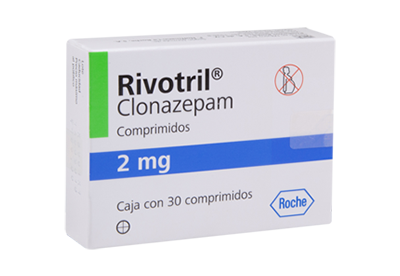
    These days, some people prefer ordering clonazepam online rather than using local pharmacies. However, you must be cautious when buying the medicine online.

    Clonazepam is a prescription-only controlled medicine in the UK and should only be obtained from licensed, regulated pharmacies following appropriate medical assessment. Websites offering clonazepam without a prescription or consultation may be unsafe and illegal, and may pose a risk of counterfeit products.

    Using trusted online pharmacies that provide prescription-based services helps ensure quality, correct dosing, and proper safety information.

    Clonazepam is a controlled medicine in the UK, and a prescription is required. Availability and pricing can depend on factors such as:

    Different forms and strengths: Local pharmacies may not always stock every strength or formulation.

    Pack size: Costs can vary depending on pack size and supply arrangements.

    Authenticity: Counterfeit or unregulated “street” products are unsafe and should be avoided.

    Where you buy it: Prices and fees can vary between services, and some online providers may charge consultation or delivery fees.

    Clonazepam can be effective for managing panic disorder and certain seizure disorders in selected patients. Some people report improved symptom control, better sleep when anxiety is reduced, and fewer disruptive episodes. Others report side effects such as drowsiness, dizziness, coordination problems, and memory issues, particularly when starting treatment or increasing doses.

    Not everyone has the same experience. Risks increase when clonazepam is combined with alcohol, opioids, or other sedatives, and serious breathing problems can occur. Experiences also vary depending on medical assessment, other medicines, and whether the medicine is used as prescribed.

    Now, let’s learn about the real stories of clonazepam from real people:

    Add real Clonazepam customer reviews here.

    Clonazepam is a benzodiazepine used for the management of panic disorder and certain seizure disorders, and it may also be used in other selected conditions under specialist guidance. It works by enhancing GABA activity at the GABA-A receptor, helping reduce excessive nervous system activity.

    However, clonazepam is a strong medicine that carries risks of sedation, dependence, withdrawal, and dangerous interactions, particularly with alcohol, opioids, and other sedatives. It is generally intended for short-term use in anxiety and panic disorder, and longer-term treatment requires careful review.

    Therefore, it is strongly recommended to consult a healthcare provider before initiating or adjusting clonazepam dosages, and to follow medical advice closely to reduce risks.

    So, if you are looking for quality clonazepam, use only licensed UK pharmacies that follow prescription and consultation requirements.

    NCBI Bookshelf - StatPearls - Clonazepam:

    https://www.ncbi.nlm.nih.gov/books/NBK556010/

    1mg - Clonazepam: View Uses, Side Effects, and Medicines:

    https://www.1mg.com/generics/clonazepam-209631

    MedlinePlus Drug Information - Clonazepam:

    https://medlineplus.gov/druginfo/meds/a682279.html

    Mayo Clinic - Clonazepam (oral route) - Side effects & dosage:

    https://www.mayoclinic.org/drugs-supplements/clonazepam-oral-route/description/drg-20072102

    Cleveland Clinic - Clonazepam: Uses & Side Effects:

    https://my.clevelandclinic.org/health/drugs/19749-clonazepam-tablets

    WebMD - Clonazepam (Klonopin): Uses, Side Effects, Interactions, Pictures, Warnings & Dosing:

    https://www.webmd.com/drugs/2/drug-920-6006/klonopin-oral/clonazepam-oral/details

    Drugs.com - Clonazepam: Drug Uses, Dosage, Side Effects:

    https://www.drugs.com/clonazepam.html

    NHS - About Clonazepam:

    https://www.nhs.uk/medicines/clonazepam/about-clonazepam/

    NICE BNF - Clonazepam:

    https://bnf.nice.org.uk/drugs/clonazepam/

    Mayo Clinic - Panic attacks and panic disorder - Symptoms and causes:

    https://www.mayoclinic.org/diseases-conditions/panic-attacks/symptoms-causes/syc-20376021

    FAQ

    The medicine is usually prescribed for the management of panic disorder and certain seizure disorders. It may also be used in other conditions under medical guidance.
    Clonazepam may start to act within 30 minutes to 1 hour for many people, though timing varies.
    If you miss a dose, take it as soon as you remember unless it is near the time for the next dose. Do not take double doses. Follow your prescriber’s advice.
    As a benzodiazepine, clonazepam can cause dependence if it is used for a long time. Stopping suddenly can cause withdrawal symptoms, including seizures. Any dose reduction should be supervised.
    Common side effects include dizziness, drowsiness, coordination problems, fatigue, and memory problems. Contact a doctor if symptoms are serious or persistent.
    Effects vary by person, dose, and formulation. Some people may feel sedative effects for many hours, and next-day drowsiness can occur.
    No. Combining clonazepam with alcohol can be dangerous and can cause severe sedation and breathing problems.
    Clonazepam can reduce panic symptoms and severe anxiety in the short term in selected patients, but it must be used under medical supervision.
    Long-term use increases the risk of dependence and withdrawal, so it requires careful review and ongoing monitoring. It is generally intended for short-term use in panic and anxiety.
    Yes. Dizziness and drowsiness are common. Avoid driving or operating machinery if affected.

    Medically Reviewed By:

    Dr Ömer ATLI

    Dr Ömer ATLI

    Emergency Physician | Medical Reviewer | Digital Health

    Dr Ömer Atlı is a GMC-registered physician and emergency medicine doctor currently working in Türkiye. He practices in high-acuity emergency department settings where rapid clinical decision-making and management of undifferentiated patients are essential.

    Know More