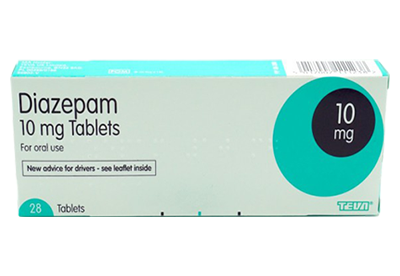
Images for illustrative purposes only
This information is for educational purposes only; please consult a doctor before starting any treatment.
Diazepam is a prescription medication commonly used to treat anxiety, muscle spasms, and certain seizure disorders. Clinical guidance shows it works by affecting calming signals in the brain and nervous system. Valium is the well-known brand name, while diazepam is the active ingredient.
To ensure safe use, you need to answer a few brief health questions before checkout.
Diazepam, also known by its original brand name Valium, is one of the most widely used medications in the class of benzodiazepines. Introduced in the 1960s, it has become an established treatment for conditions associated with central nervous system overactivity. Diazepam is prescribed by physicians for the treatment of anxiety disorders, short-term insomnia related to anxiety, muscle spasms, seizures, and alcohol withdrawal, making it a versatile medication that addresses both psychological and physical symptoms.
As opposed to over-the-counter therapies for insomnia or stress, Diazepam is a prescription-only medicine due to its potency and the risk of dependence. It acts by enhancing inhibitory signalling within the brain, reducing excessive nervous activity, thereby helping patients feel calmer, sleep more easily, and manage acute episodes of tension or panic.
The value of medications such as Diazepam lies in their ability to provide relief when symptoms are severe enough to interfere with daily functioning. For a person overwhelmed by anxiety or unable to sleep due to racing thoughts, Diazepam can help restore a sense of calm, often within an hour of oral administration.
In the United Kingdom, Diazepam is classified as a controlled drug and requires a prescription and supervision by a medical practitioner. It is available under its generic name, Diazepam, as well as the brand name Valium. Many patients enquire about Diazepam 10 mg tablets or Valium in the UK when discussing treatment options with their doctor or pharmacist.
Diazepam belongs to a class of medicines called benzodiazepines, which are known for their anxiolytic, sedative, muscle-relaxant, and anticonvulsant properties. Diazepam works by enhancing the activity of gamma-aminobutyric acid (GABA), a neurotransmitter in the brain that reduces nerve activity. GABA functions as the brain’s natural inhibitory system. When GABA binds to its receptors, it slows down overactive nerve signals, promoting relaxation. Diazepam binds to specific sites on the GABA-A receptor complex, increasing GABA's effect and making neurons less excitable.
This mechanism explains why Diazepam is prescribed for several conditions:
One of the distinguishing features of Diazepam is its relatively long half-life compared with some other benzodiazepines. Diazepam and its active metabolites can remain in the body for 24–48 hours or longer. This extended duration may provide sustained symptom control but also increases the risk of next-day drowsiness, accumulation with repeated dosing, and prolonged sedation in certain patients. For this reason, doctors carefully adjust the dosage to balance symptom control with safety.
In summary, Diazepam works by reinforcing the brain’s natural inhibitory system, allowing patients to regain control over symptoms that disrupt daily life. Whether prescribed for anxiety, sleep-related problems, muscle spasms, or seizures, its action on the GABA-A receptor is central to its therapeutic effect.
Diazepam is available in several formulations to suit different clinical needs. The most common form is the oral tablet, available in 2 mg, 5 mg, and 10 mg strengths. These tablets are typically used for the short-term management of anxiety, insomnia related to anxiety, or muscle spasms. Higher doses, such as 10 mg, may be used for more severe symptoms, while lower doses are preferred for mild symptoms or for patients who are more sensitive to sedative effects.
Diazepam is also available as an oral solution, which may be helpful for individuals who have difficulty swallowing tablets. Use in children is limited and usually restricted to specific indications such as seizure management under specialist supervision.
For urgent situations, such as status epilepticus or severe alcohol withdrawal, Diazepam may be administered by injection in hospital settings. Another specialised formulation is rectal solution or gel, which is used in the emergency management of seizures, particularly in patients with epilepsy.
Typical dosing depends on the indication:
In elderly patients or those with liver impairment, reduced doses are necessary because the metabolism of Diazepam is slower, increasing the risk of accumulation and adverse effects.
Although Diazepam can be highly effective, treatment is usually short-term. Long-term use increases the risk of tolerance, dependence, and withdrawal symptoms. When discontinuation is required, the dose should be reduced gradually under medical supervision to minimise withdrawal effects.
One of the major advantages of Diazepam is its effectiveness in relieving anxiety and related disorders. Individuals with severe tension, panic attacks, or heightened nervousness may experience significant symptom reduction after initiating treatment. Diazepam reduces excessive neuronal activity, helping individuals regain control over their emotions and daily functioning. It is particularly useful for short-term management of acute anxiety or crises.
Diazepam may be used short-term to improve sleep when insomnia is linked to anxiety. By calming mental overactivity, it can reduce sleep latency and improve sleep continuity. However, due to its long half-life and risk of next-day sedation, treatment duration is typically limited.
Diazepam has centrally acting muscle-relaxant properties. It reduces muscle spasms resulting from injury, inflammation, or neurological disorders by acting on spinal and supraspinal pathways. This can improve mobility and reduce pain associated with sustained muscle contraction.
Diazepam plays an important role in the management of acute seizures due to its anticonvulsant properties. It is widely used in emergency medicine. In alcohol withdrawal, Diazepam reduces agitation, tremors, and seizure risk when administered under appropriate medical supervision.
Prescribers exercise caution in certain groups. Elderly patients have a higher risk of confusion, falls, and cognitive impairment, so lower doses are recommended. Pregnant and breastfeeding women are generally advised to avoid Diazepam unless clearly necessary due to potential risks to the fetus or infant. In children, its use is limited to specific indications and usually managed by specialists.
Diazepam treatment is generally limited to short courses, often a few weeks. It is most effective when combined with psychological therapies or non-pharmacological interventions where appropriate. Common side effects include fatigue, impaired coordination, drowsiness, and memory difficulties, which often improve with dose adjustment or discontinuation under supervision.
Diazepam is effective when prescribed appropriately, but it can cause adverse effects. Some are mild and transient, while others may require medical attention.
Common side effects:
Less frequent but potentially serious side effects:
Risks of dependence and withdrawal:
Safety warnings:
Safe administration depends on appropriate prescribing, careful dosing, and monitoring for side effects.
Diazepam is primarily metabolised in the liver by CYP2C19 and CYP3A4. Substances that inhibit or induce these enzymes can alter Diazepam levels. Because Diazepam depresses the central nervous system activity, combining it with other sedatives increases the risk.
Combining Diazepam with opioids such as codeine, morphine, or oxycodone increases the risk of profound sedation, respiratory depression, coma, and death. Concomitant use with alcohol, barbiturates, or other benzodiazepines significantly increases these risks.
Some antidepressants, particularly those that inhibit CYP enzymes, may increase Diazepam levels and prolong sedation. Tricyclic antidepressants and MAOIs may contribute additional sedative effects.
Drugs such as olanzapine, quetiapine, and risperidone may increase sedation and risk of falls when combined with Diazepam.
Antifungal agents such as ketoconazole, macrolide antibiotics such as clarithromycin, and certain antivirals may inhibit the metabolism of diazepam, increasing sedation and toxicity risk.
Over-the-counter antihistamines such as diphenhydramine and chlorphenamine can enhance sedation when taken with Diazepam.
Concomitant use may increase central nervous system depression and prolong recovery from anaesthesia.
Drugs such as carbamazepine and phenytoin may increase hepatic metabolism of Diazepam, potentially reducing its effectiveness.
Alcohol markedly increases the sedative and respiratory-depressant effects of Diazepam and should be avoided.
Caffeine may counteract some sedative effects but can also worsen anxiety and disrupt sleep patterns, potentially reducing therapeutic benefit.
Grapefruit may inhibit CYP3A4, increasing diazepam levels and potentially enhancing sedation and adverse effects. Patients may be advised to avoid grapefruit products during treatment.
A large fatty meal may delay absorption slightly, but does not usually result in clinically significant changes in overall effect.
Awareness of interactions is essential to prevent oversedation and respiratory depression.
Diazepam is classified in the UK as a controlled drug under the Misuse of Drugs Regulations. It can only be dispensed with a valid prescription. Any website offering Diazepam without requiring a prescription is operating illegally and may supply counterfeit or unsafe products.
Licensed online pharmacies must be registered with the General Pharmaceutical Council (GPhC) and comply with MHRA regulations. These providers require a valid prescription before dispensing Diazepam tablets in strengths of 2 mg, 5 mg, or 10 mg.
Unregulated overseas sellers often advertise Diazepam at unusually low prices. These products may contain inconsistent dosages, contaminants, or no active ingredient. Importing controlled medicines without a valid prescription may also breach UK law.
With a valid prescription, ordering from a reputable UK pharmacy can be safe and convenient. Reputable providers ensure appropriate verification, secure packaging, and compliance with legal and medical standards.
Diazepam prices in the UK vary depending on strength, pack size, and whether supplied via NHS prescription or private prescription.
Factors influencing price:
Generic Diazepam and branded Valium contain the same active ingredient and are therapeutically equivalent.
Diazepam has been used for anxiety, insomnia, muscle spasms, and alcohol withdrawal for decades.
Commonly reported positive experiences:
Reported cautions:
Patients frequently emphasise that Diazepam is most beneficial when used for the short term and under close medical supervision.
Diazepam remains an established medication for short-term management of anxiety, muscle spasms, seizures, and alcohol withdrawal. Its action on the GABA-A receptor makes it effective in calming excessive nervous system activity.
However, Diazepam is a controlled drug with recognised risks of dependence, tolerance, and withdrawal. It should be used for the shortest effective duration and only under medical supervision. Combining Diazepam with alcohol or other sedatives significantly increases the risk of respiratory depression and serious harm.
Patients considering treatment should consult a healthcare professional to determine suitability. If prescribed, Diazepam should be obtained only from licensed and regulated pharmacies to ensure safety and authenticity.
All information here is intended for educational purposes and is supported by clinical research, official drug databases, and global health authorities. This content is not a substitute for professional medical advice. Always consult a qualified healthcare provider before starting or stopping any medication.
Authoritative Sources:
These sources provide reliable, up-to-date information on the clinical use of Diazepam, enabling patients and professionals to make informed, evidence-based decisions.
Copyright © 2026 PharmNexa.com. All rights reserved worldwide.